-

How much is Ruiguang 5 nectarine per jin? Introduction to the Ruiguang series nectarine varieties
Ruiguang 5 nectarine is a new nectarine variety bred by the Beijing Academy of Agriculture and Forestry Sciences in 1995. Ruiguang 5 nectarine is an early-maturing white-fleshed nectarine variety, with strong tree vigor and high yield, and its flavor is sweet and sour and delicious, so it is loved by many consumers. At present, Ruiguang
-
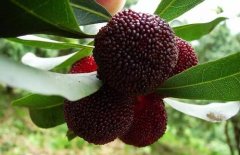
Introduction to Sweet Waxberry Varieties: Cultivation Characteristics of Ruiguang Waxberry and Dongkui Waxberry, How Many Years Until They Bear Fruit
Do you like eating waxberries? Then would you like to know about the cultivation characteristics of Ruiguang waxberry and Dongkui waxberry? Let's take a look together! Ruiguang waxberry was introduced from Japan, and its fruit is the size of a fifty-yuan coin, making it the large-fruited variety second only to Dongkui in Taiwan, China. Although all waxberries have some tartness
-
What are the characteristics of the Ruiguang 7 peach variety?
Bred by the Institute of Forestry and Pomology, Beijing Academy of Agriculture and Forestry Sciences, through hybridization of Jingyu × B7R2T129 (single-strain pollen provided by the United States). Original code 82-40-25. The fruit is nearly round, uniform, with a round apex; average single fruit weight 145 g, maximum fruit weight 240 g; the ground color of the skin is yellow-white, fully covered with purplish-red dots or blush, and the skin is not easy to peel; the flesh is yellow-white, firm and melting, resistant to storage and transport, juicy when fully ripe, sweet or pleasantly sweet-tart; soluble solids about 11%. Freestone. Tree vigor medium, tree habit semi-spreading.
-
Introduction to the Characteristics and Traits of the Peach Variety Ruiguang 5
Bred by the Institute of Forestry and Pomology, Beijing Academy of Agriculture and Forestry Sciences, through hybridization of Jingyu x NJN76. Original code 81-26-28. The fruit is nearly round, with a round apex; average single fruit weight 145 g, maximum fruit weight 158 g; the ground color of the skin is yellow-white, with purplish-red dots or blush covering more than 1/2 of the fruit surface, and the skin is not easy to peel; the flesh is white, hard-melting, juicy when fully ripe, and sweet; soluble solids about 10%. Clingstone. The tree is vigorous, with a semi-spreading growth habit. The starting node of flower buds is the first or second node. Compound flower buds are relatively numerous, and all types of fruiting branches can bear
-
What are the characteristics of the peach variety Ruiguang 3?
It was bred by the Beijing Academy of Agriculture and Forestry Sciences through hybridization of Jingyu x NJN76. The original code was 81-25-10, selected in 1986, approved and named in 1997. The fruit is nearly round, with a regular shape and a flat apex; average single fruit weight is 145 g, maximum fruit weight 235 g; the ground color of the skin is greenish-white, with 75% of the fruit surface covered by a red blush, and the skin does not peel away from the flesh; the flesh is white with a small amount of red pigment, juicy, sweet in flavor, with a faint aroma; soluble solids 11.5%. Semi-clinging stone. The tree is relatively vigorous
-
Introduction to the Ruiguang 2 Peach Variety and Its Main Characteristics
Bred by the Beijing Academy of Agriculture and Forestry Sciences from the cross Jingyu x NJN76. Original code 81-26-2, selected in 1986, approved and named in 1997. The fruit is oval, well formed, with two symmetrical halves and a flat apex; average single fruit weight 134 g, maximum fruit weight 187 g; the ground color of the skin is yellow, with 75% red blush covering the surface, and the skin does not separate from the flesh; the flesh is yellow, with no red pigment around the pit, hard melting, medium-high juice, sweet flavor, and aromatic; soluble solids 10.9%. Semi-clinging pit. The tree is vigorous, with a
-
What are the characteristics of the Ruiguang 7 peach variety?
Bred by the Institute of Forestry and Pomology, Beijing Academy of Agriculture and Forestry Sciences, through hybridization of Jingyu × B7R2T129 (single-strain pollen provided by the United States). Original code 82-40-25. The fruit is nearly round, uniform, with a round apex; average single fruit weight 145 g, maximum fruit weight 240 g; the ground color of the skin is yellow-white, fully covered with purplish-red dots or blush, and the skin does not peel easily; the flesh is yellow-white, firm melting, tolerant of storage and transport, juicy when fully ripe, with a sweet or sweet-tart pleasant flavor; soluble solids about 11%. Freestone. The tree vigor is moderate, and the tree habit is semi-spreading.
-
Introduction to the new peach cultivar Ruiguang 22
1. Cultivar origin Ruiguang 22 (90-6-11) was developed by the Institute of Forestry and Pomology, Beijing Academy of Agriculture and Forestry Sciences, in 1990 through sexual hybridization using Liguangte as the female parent and 82-48-12 (Qiuyu x NJN80) as the male parent. It was bred in 2000 and approved by the Beijing Municipal Crop Variety Approval Committee in 2001. 2. Cultivar characteristics The cultivar has a vigorous tree habit with a semi-spreading tree shape. One-year-old branches are reddish brown on the sunny side and green on the shaded side. Leaves are lanceolate, with the leaf
-
Introduction to the Ruiguang 2 peach variety and its main characteristics
Bred in 1981 by the Beijing Academy of Agriculture and Forestry Sciences from the cross Jingyu x NJN76. The original code was 81-26-2; it was selected in 1986, and approved and named in 1997. The fruit is oval, well formed, with two symmetrical halves and a flat apex; average single fruit weight 134 g, maximum fruit weight 187 g; the ground color of the skin is yellow, with 75% red blush covering the fruit surface, and the skin does not peel away from the flesh; the flesh is yellow, with no red pigment around the pit, hard melting flesh, medium-much juice, sweet flavor, and aroma; soluble solids 10.9%
-
Characteristics of the peach cultivar Ruiguang 3
Bred in 1981 by the Beijing Academy of Agriculture and Forestry Sciences from a cross of Jingyu x NJN76. Original code 81-25-10, selected in 1986, approved and named in 1997. The fruit is nearly round, well formed, with a flat apex; average single fruit weight 145 g, maximum fruit weight 235 g; the ground color of the skin is greenish white, with 75% of the fruit surface covered by a red blush, and the skin does not separate from the flesh; the flesh is white with a small amount of red pigment, juicy, sweet in flavor, with a faint aroma; soluble solids 11.5%. Semi-clingstone. Tree vigor
条件筛选