-

How to Plant and Care for Alstroemeria: A Guide to Growing Healthy Plants
A detailed introduction to Alstroemeria planting methods and care techniques, including how to grow Alstroemeria, soil preparation, light and watering, propagation methods, fertilizing and pruning, pest and disease control, and other practical content.
-
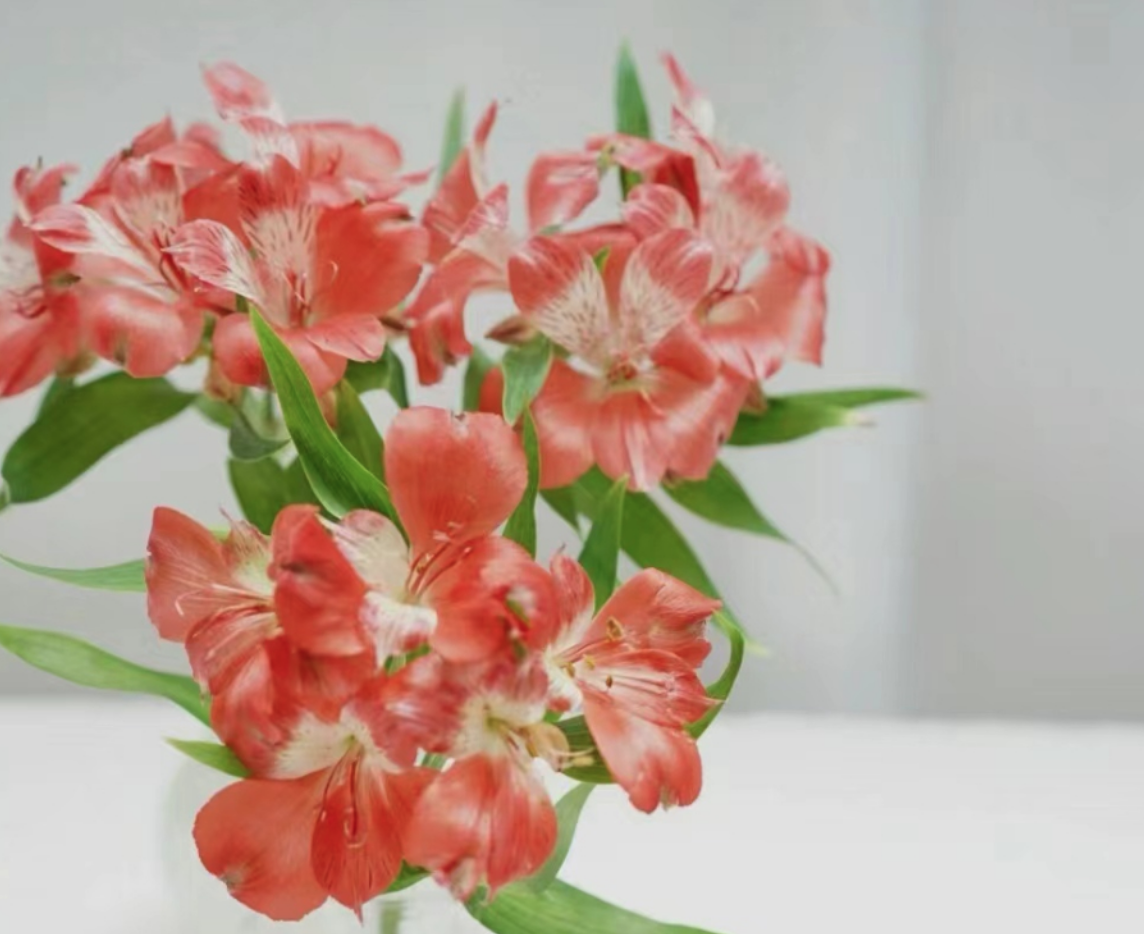
Are the flowers of Alstroemeria toxic?
Let's talk about the "Alstroemeria" today, which resembles both daffodils and lilies. Its name comes from the unique structure of its flowers. Each petal
-
How to Grow Alstroemeria? A Complete Guide to the Latest Cultivation Methods
Alstroemeria is also known as Chilean lily, Peruvian lily, lily of the Incas, and so on. It is a perennial herbaceous plant of the genus Alstroemeria in the family Alstroemeriaceae, native to Chile, Peru, Brazil, and Argentina in South America and to Mexico in Central America. Its flowers resemble azaleas and also daffodils, while its stems and leaves look like those of lilies.
-
How to Grow Alstroemeria? Detailed Guide to Cultivation Methods and Precautions
Alstroemeria may be very familiar to many flower enthusiasts, because it is a relatively common flowering plant in daily life, and it has a long history. The flowers of Alstroemeria look a bit like daffodils and a bit like azaleas, with bright colors, very beautiful and charming. Nowadays, Alstroemeria has become a particularly
-
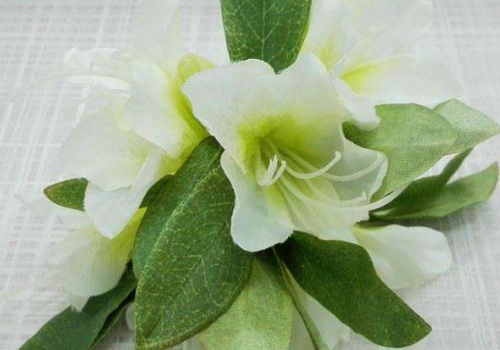
How to arrange Peruvian lilies (Alstroemeria) for a beautiful flower arrangement? Arrangement principles and the differences from lilies
Peruvian lily (Alstroemeria), which is also a type of lily, is a flower that a huge number of people love, and it is so beautiful. So how do you arrange Peruvian lilies to look beautiful? And what are the differences from lilies: How to arrange Peruvian lilies beautifully: When arranging Peruvian lilies,
-
Alstroemeria, also called Peruvian lily, let us introduce you to this ornamental flower.
Aliases: Peruvian lily. Family and genus: Alstroemeriaceae, Alstroemeria. Morphological features: Alstroemeria roots are thick and fleshy, forming tuberous stems, clustered and prostrate. Stems erect, unbranched. Leaves numerous, alternate, lanceolate, arranged in a spiral. Umbellate inflorescence, flowers small and numerous, trumpet-shaped, orange-yellow, inner tepals with reddish-brown striped spots. Origin: Alstroemeria is native to Chile, Peru, Brazil, Argentina in South America and Mexico in Central America. Biological characteristics: Prefers a warm, humid and sunny environment.
-
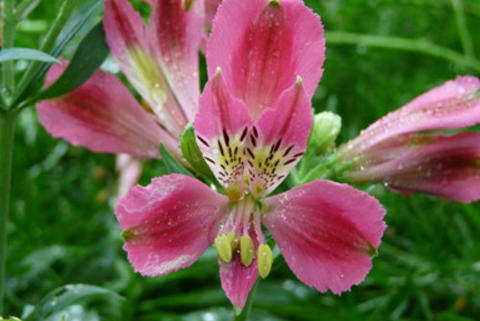
How to Propagate Alstroemeria? A Detailed Guide to Common Propagation Methods
Seed Propagation Alstroemeria is usually sown in winter. Sand mixed with peat soil can be used as the sowing medium. At low temperatures the seeds gradually awaken, then they are moved to a spot at 15-20°C, and after two weeks the seeds will germinate. Continue to keep the environment warm, and when the seedlings grow to four or five cm they can be planted separately.
-
-

-
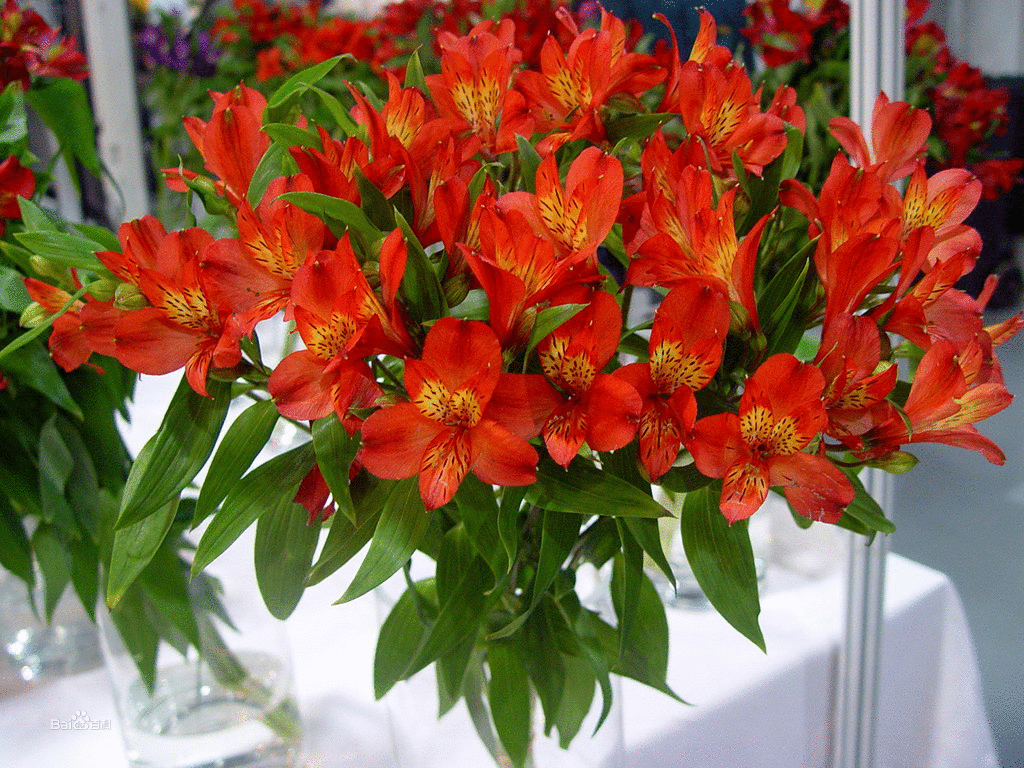
What varieties of Alstroemeria are there? A full guide to care methods
Alstroemeria is actually the lily; Alstroemeria is another alias of the lily. It can be called Alstroemeria precisely because it has so many colors, with different colors that are sometimes dazzling, so we classify Alstroemeria...
条件筛选