-

A detailed explanation of the latest key points for growing jicama
Jicama, also called yam bean, is generally planted in spring in the south and harvested in autumn. It is mainly eaten for its swollen fleshy root, and is the best fruit for cooling and relieving summer heat. Many cultivated varieties have now appeared as well. Some experience has been accumulated in growing it. But in production and cultivation
-
The Latest Seedling Raising Methods and Technical Points for Jicama
The scientific name of jicama is yam bean (Pachyrhizus erosus), and its main edible part is the swollen underground root. The seeds are pod-shaped and can be used as an insecticide. It is currently cultivated in various parts of southern China and can be considered a juicy, heat-relieving fruit. Planting mainly relies on seed propagation. The seeds are relatively hard and difficult to germinate, so they must undergo seed soaking
-
How to grow jicama (yam bean)? Detailed guide to planting methods and conditions
In summer, when the weather is hot, everyone likes to eat some lighter foods to cool down, and jicama is a great choice. For farmers, growing jicama is also a key point, and good quality will also bring a higher selling price, so how do you grow jicama? Grow
-
How to Grow Yam Bean? A Detailed Explanation of Planting Methods and Key Technical Points
Yam bean is a relatively common ingredient in fa gao, and it can also be used to make scallion pancakes or simply stir-fried. So, do you all know how to grow yam bean? Let's take a look! 1. How to grow yam bean To grow yam bean, you should select seeds of good quality so as to ensure yield. Use strong seedlings and remove weak ones; the yield of strong seedlings and weak seedlings can differ by 20%-30%. Since there are many planting methods for yam bean, you can choose according to the local soil conditions. Apply fertilizer and water reasonably according to its growth conditions, and remove pests and diseases.
-
How to grow yam beans? Keep this complete planting guide
Yam beans, many people are very confused, what are yam beans? Actually, yam beans are the small fruits borne on the stems and leaves of the yam plant, round and fairly small, the smallest being only the size of a pea. Yam beans have very high edible value, with effects such as tonifying the kidney and strengthening yang, benefiting the lungs and relieving cough,
-
Planting Methods and Key Technical Points for Air Potatoes
The air potato is a variety that loves fertilizer and can only be produced in fertile soil, and right below its roots grows the yam. We all know that the edible value of yam is very high, but in fact the air potato is no worse in comparison, and it can also
-
A Detailed Guide to Planting Time and Methods for Jicama
Jicama is also called liangshu (cool tuber). The edible part is the enlarged tuberous root, whose skin is thin yet tough, and whose flesh is pure white, tender and crisp, sweet and juicy, with no fibrous residue when eaten, and a slight bean-like flavor. Eaten raw or cooked, it has effects such as promoting saliva and quenching thirst, cooling and reducing heat, relieving alcohol toxicity, and lowering blood pressure. In our
-
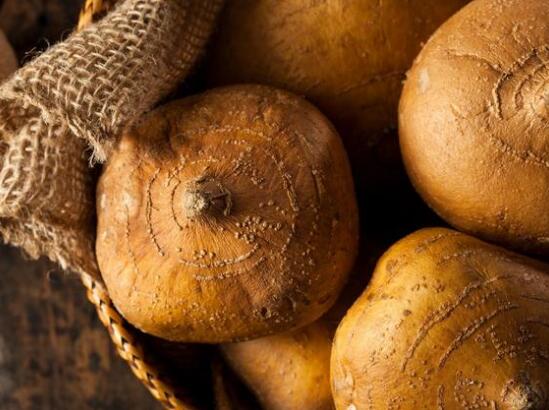
Planting, Marketing Time, Price and Cultivation of the Vine Plant Jicama (Yam Bean)
Jicama, also known as yam bean, earth gourd, luosha fruit, ground radish, chepi potato, kudzu potato, etc., is a relatively common herbaceous vine in China. Because it is nutritious and as high-yielding as sweet potato, it is widely cultivated.
-
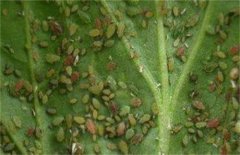
Control Methods for Yam Bean Beetle and Blue-Winged Leaf Beetle
How should the control methods for yam bean beetle and yam blue-winged leaf beetle be carried out? Do you know? Let's take a look together. The yam bean beetle pest occurs from May to August, with only 1 generation per year. The yam blue-winged leaf beetle also has 1
-

Bury a section of yam in a pot, and its leaves will cover the wall, and next year it will be full of yam beans
Yam aids digestion and strengthens the spleen and stomach, and is one of the Chinese people's favorite foods. Besides being edible, this yam can also be grown as a potted plant for enjoyment; its leaves are glossy green, no less beautiful than ivy! Today, follow Huahua to take a look at how this yam, with its many benefits...
条件筛选