-
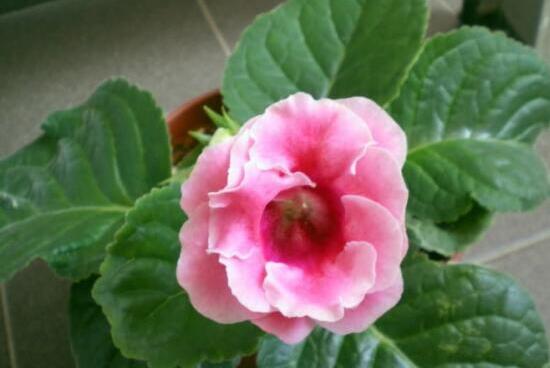
Why won't African violets bloom? They need plenty of light to flower
As a beautiful flowering plant, the beauty of an African violet in bloom goes without saying. Its flowers are elegant in shape and rich, vivid in color, making it extremely pleasing to the eye. It is precisely because African violets are so beautiful that many people keep them at home. But as they care for them, quite a few growers find that their plants are not blooming
-
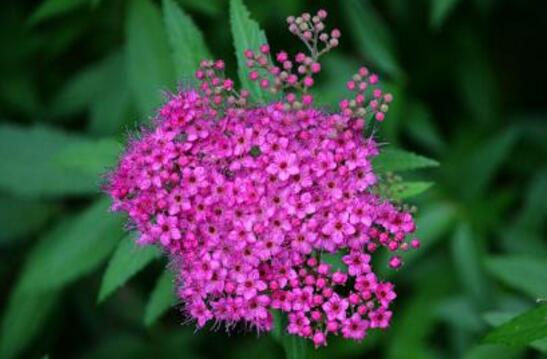
What to Do When Violets Get Bugs? Detailed Pest and Disease Prevention and Control Methods
Although violet flowers are beautiful, the prerequisite for enjoying this beautiful sight is that they can grow healthily and bloom. If pests and diseases occur due to improper violet cultivation methods, it will undoubtedly cause huge harm to the violets.
-
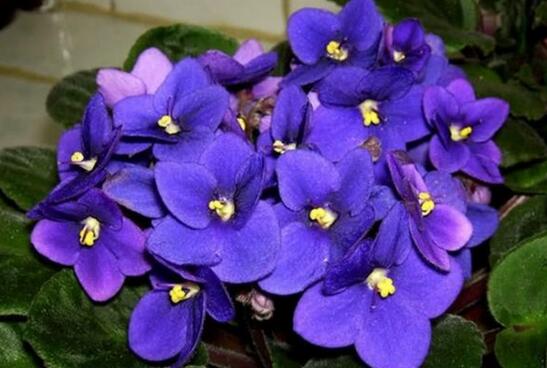
How to propagate violets? Seed propagation gives better flowering
Since violets have so many uses and benefits, some people want to keep growing them forever, and that brings up the question of propagation. What is the scientific way to propagate violets? There are currently two mainstream violet propagation methods, namely seed sowing and cuttings
-
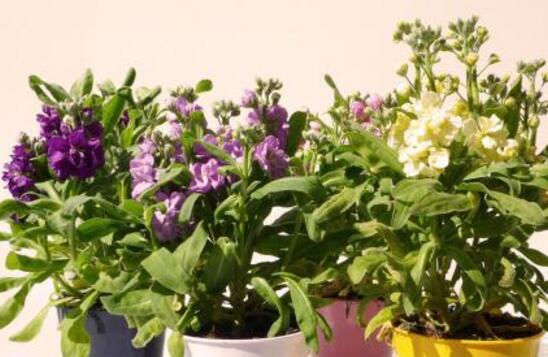
How to prune potted violets? Illustrated pruning methods to help them bloom again
As everyone knows, among the effects and benefits of violets, one of its greatest is the extremely high ornamental value of its flowers, but to maintain overall beauty during the growth process, it also needs to be pruned at the appropriate time. So how do you prune potted violets? Let's take a look at the illustrated violet pruning methods
-

Characteristics and Types of African Violets Explained
African violets prefer a warm, humid, well-ventilated, semi-shaded environment; they dislike high temperatures and fear strong light. The suitable growing temperature is 18-24°C; in winter the temperature must not drop below 10°C, and in summer it must not exceed 30°C, with relative humidity of 40%-79%. The plant is short and forms a rosette shape; the leaves are thick and fleshy like velvet; the flowering period is long, and the flower color is mainly blue-purple, which is how the common name "violet" came about. They are easy to propagate and are a popular indoor potted ornamental plant worldwide. Through hybridization, their horticultural varieties have continued to increase, now numbering more than 2,000
-
Can African violets tolerate strong direct sunlight?
The native environment of the African violet is beneath large trees on high mountains, where the climate is stable and shady, and sunlight only reaches the leaves after being filtered through the foliage. Therefore, when growing African violets, you must take their own characteristics into account and must not treat them like ordinary flowering plants. Most flowering plants need more than 4 hours of direct sunlight each day in order to bloom. But the African violet is a rare exception: if you place it in a window with direct sunlight, the result is either yellowed, withered leaves or a blooming season with no flowers. Because the Af
-
How to grow African violets? A detailed explanation of key cultivation techniques
For the potting medium, use a medium made from high-quality sphagnum peat moss. It is light in texture, well-draining, and fertile, making it most suitable for the growth and development of African violets. The pH of the medium is 5--6. As for pot size, for the standard size of African violets, 9 cm pots are commonly used. For large-crown varieties, 10--12 cm pots are recommended. For potting and planting, to make handling easier and reduce damage to the plants, water sparingly after planting, just enough to keep it moist. When planting, be careful not to press the potting soil too firmly; keep it loose.
-
Are African violets and Saintpaulia the same plant?
Scientific name: Saintpaulia ionantha. Common name: African violet. Family and genus: Gesneriaceae, genus Saintpaulia. Type: evergreen herbaceous flowering plant. Morphological features: the plant is short, usually 15-20 cm tall, the whole plant is tender and fleshy and densely covered with white down, with a very short aboveground stem. The leaves grow flat in a whorl and form a rosette; the leaves are ovate, slightly pointed at the tip, about 6 cm long and about 5 cm wide, with entire margins. The flower stalks emerge from the leaf axils, the flower stem
-
What are the common pest and disease control methods for African violets?
I. Diseases 1. Ringspot disease This is a disease caused by a virus, generally spread by the pest thrips. After the leaves are infected with the virus, ring-shaped markings appear. Preventing the occurrence of viral disease by controlling thrips is the main measure for controlling ringspot disease. Plants infected with the virus generally cannot be cured with medicine; the only option is to pull them out and destroy them. 2. Leaf spot disease This is a leaf disease caused by fungi, first appearing on the lower leaves of the plant, especially leaves that are damaged or in contact with the growing medium. In the early stage of the disease, necrotic
-
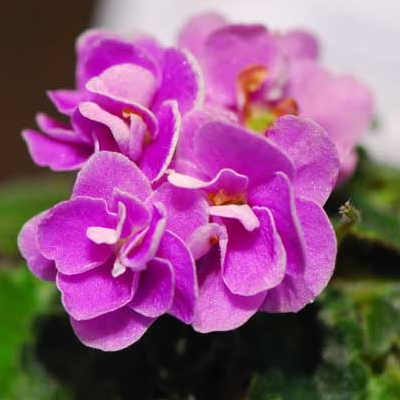
How long is the blooming period of African violets? Analysis of the reasons why they do not bloom
African violets are very compact flowers and are also very suitable as ornamental plants. So how long is the blooming period of African violets? Why do African violets not bloom? How long is the blooming period of African violets: When it comes to the blooming time of African violets, it actually also depends on their propagation from cuttings.
条件筛选