-

Characteristics and Types of African Violets Explained
African violets prefer a warm, humid, well-ventilated, semi-shaded environment; they dislike high temperatures and fear strong light. The suitable growing temperature is 18-24°C; in winter the temperature must not drop below 10°C, and in summer it must not exceed 30°C, with relative humidity of 40%-79%. The plant is short and forms a rosette shape; the leaves are thick and fleshy like velvet; the flowering period is long, and the flower color is mainly blue-purple, which is how the common name "violet" came about. They are easy to propagate and are a popular indoor potted ornamental plant worldwide. Through hybridization, their horticultural varieties have continued to increase, now numbering more than 2,000
-
African Violet Home Cultivation Methods and Care Tips
Stop fertilizing during both the low temperatures of winter and the high temperatures of summer. When watering and fertilizing, take care to avoid splashing water or fertilizer on the leaf surface, and do not frequently spray water on the leaves, because when water droplets remain among the leaf hairs for a long time, the leaves will develop unsightly yellow spots or even rot. However, to increase air humidity, you can spray water around the plant; if the air circulates well and evaporation is fast, you may also spray a small amount of water on the leaf surface, and the water sprayed should be close to room temperature, not too cold.
-
How to grow and care for the African violet, a famous indoor flowering plant
The African violet (Saintpaulia) is a small, elegant plant with thick, velvety leaves, rich flower colors, and graceful flower shapes. It blooms continuously through all four seasons and is easy to manage, making it an important indoor ornamental plant. The African violet originates from the understory rocky areas of montane rainforest regions at 1,000 to 2,000 m in tropical Africa. The local environment is shady and humid, rich in humus, and spring-like all year round. The plant fears both cold and heat; the suitable temperature is 18-24°C, below 16°C growth is slow, the leaves harden and droop, and it is prone to mold diseases; below 10°C it is susceptible to cold damage, with the leaf margins and young leaves scorched, and
-
Philippine violet
[Scientific name] Barleria cristata [Common names] Blue bell flower, foreign rhododendron [Family and genus] Acanthaceae, Barleria Native to India and Myanmar. Prefers warmth and heat, not cold-tolerant. Best in fertile loam mixed with peat. Plant height about 120 cm, upright or spreading. Leaves opposite, oblong to lanceolate. Dense spike inflorescences, flowers violet-purple, with blue or white spots. Corolla funnel-shaped, tube slender and long, upper part swollen, about 5 cm long; flowering period from November to March of the following year. Propagated by sowing
-

Detailed Guide to Violet Cultivation and Planting Techniques
[Alternative names]Caoguihua, caoziluolan.[Family and genus]Brassicaceae, Matthiola.[Morphology]Subshrub-like biennial herb, stem base lignified, upright, sometimes branched, plant height 30-50 cm, the whole plant covered with gray stellate pubescence. Leaves alternate, oblong or oblanceolate, apex rounded-obtuse
-

What month does the violet bloom? It opens from April to May, and with proper care it can bloom again
We know the violet's flower language is eternal love, and many people love violets because of their distinctive flowers, so when exactly do violets bloom? Today we will learn about the violet's flowering period, and what to do after the violet's flowering period ends
-
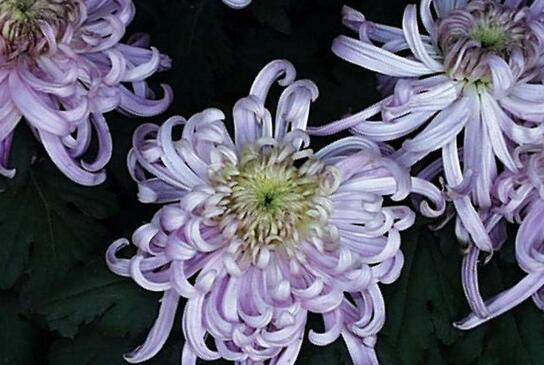
What to do when violet leaves turn yellow? Temperature and environment are the main causes, so you need to treat the root of the problem
Through the methods and precautions for growing violets, we know that the violet is a plant that prefers a cool climate. If the growing environment is not suitable for it, the result may be that it only grows leaves without blooming, and in severe cases the leaves may turn yellow
-
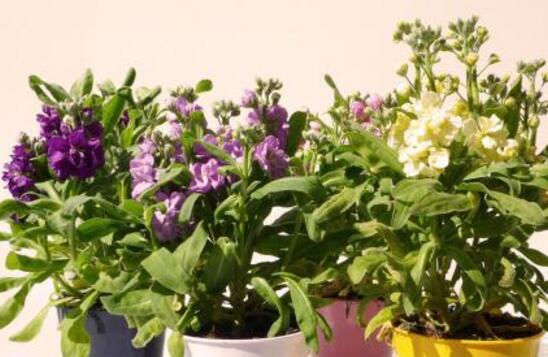
How to prune potted violets? Illustrated pruning methods to help them bloom again
As everyone knows, among the effects and benefits of violets, one of its greatest is the extremely high ornamental value of its flowers, but to maintain overall beauty during the growth process, it also needs to be pruned at the appropriate time. So how do you prune potted violets? Let's take a look at the illustrated violet pruning methods
-
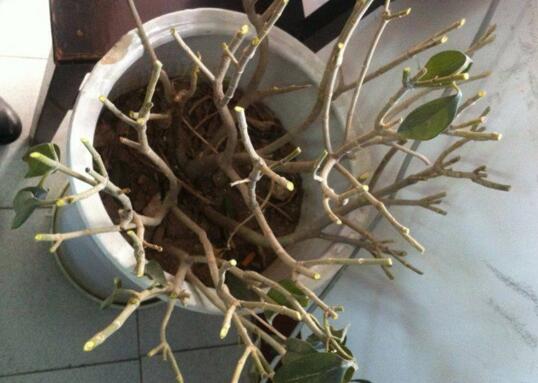
How to prune Chinese Violet (African Jasmine)? Illustrated pruning methods and timing
In terms of growth rate, Chinese Violet (African Jasmine) is not a very fast grower, but if you want to keep it more attractive, pruning is also essential during care. So how should Chinese Violet be pruned appropriately? Let's look at the illustrated pruning methods for Chinese Violet.
-
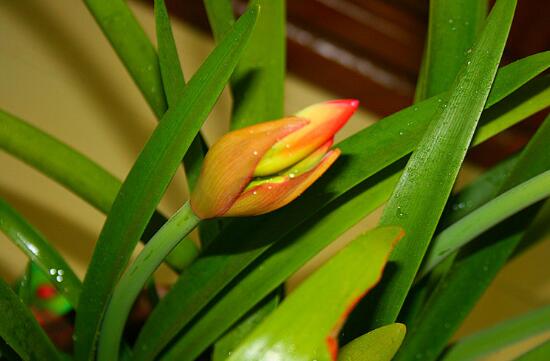
What to Do When the Leaves of the Violet Root Orchid Turn Yellow? 5 Major Causes Including Temperature, Water and Fertilizer, and Their Solutions
Violet Root Orchid - friends who have seen it should be deeply impressed. Its flowers are brightly colored, and its flower shape is very similar to that of a lily. It is a very beautiful ornamental flower. However, while growing the Violet Root Orchid, many flower lovers often encounter some problems, such as yellowing leaves. So what should be done when the leaves of the Violet Root Orchid turn yellow?
条件筛选