-

Detailed Explanation of Methods for Storage and Preservation of Tea Plant Vegetative Propagules
Direct field preservation of tea plant vegetative propagules requires a large amount of land and labor, so long-term preservation techniques for tea roots, seedlings, seeds and pollen have been studied. Root preservation involves sterilizing the lignified roots before spring sprouting, storing them together with sterilized semi-dry soil or sphagnum moss in plastic bags, and placing them in an environment of 1-5°C. After 7 years of storage, the occurrence of adventitious buds can reach up to 70%. Stored at 1°C for 6 years, the roots can still regenerate. Under low-temperature storage conditions, the consumption of carbohydrates in root tissues
-
How to prevent and control excessive vegetative growth in cotton? A detailed guide to practical techniques
At present, cotton has entered the squaring stage, and preventing excessive vegetative growth in cotton must begin now. So-called excessive vegetative growth means the cotton has lost its normal reproductive function, that is, it only flowers without setting bolls, or it flowers heavily but sets few bolls. The causes are first climatic factors, second the blind and random introduction of cotton varieties, and third cultivation methods that do not match climate change. According to records, when the temperature exceeds 35°C, pollen development becomes abnormal and normal pollination cannot occur; while sustained drought intensifies the shedding of squares and bolls. In addition, in mid-August some cotton areas experience
-
Causes of Cotton Excessive Vegetative Growth and Control Methods
The phenomenon in which vegetative organs such as stems, branches and leaves of the cotton plant grow excessively, causing an imbalance between vegetative growth and reproductive growth, is called excessive vegetative growth, commonly known as "runaway growth." After cotton squaring, vegetative growth and reproductive growth proceed simultaneously. If vegetative growth is too rapid and reproductive growth is inhibited, it will cause shedding of squares and bolls, and in severe cases, no bolls will set. Causes of excessive vegetative growth: mainly excessive application of fertilizer and water. From squaring to the early flowering stage is the period of fastest vegetative growth in the entire life of cotton. If nitrogen fertilizer is supplied in excess, it will cause an imbalance in the carbon-to-nitrogen metabolism ratio
-
Root sucker transplanting method for vegetative propagation of Schisandra chinensis
In cultivation gardens, Schisandra chinensis trees over 3 years old can produce large numbers of horizontal rhizomes, distributed in the soil layer 5-15 cm below the surface. From May to July, adventitious buds on the horizontal rhizomes sprout and produce large numbers of root suckers. When the young shoots are 10-15 cm tall, dig out the horizontal rhizomes, cut off the "seedlings" with root systems using scissors, and plant them in the prepared nursery field at a spacing of 10 cm x 20 cm, as shown in Figure 3-6. If planting on a sunny day
-

What to Do About Excessive Vegetative Growth in Peppers? Practical Methods for Controlling Excessive Growth
What to Do About Excessive Vegetative Growth in Peppers
-

How to Prevent Grapevine Excessive Vegetative Growth? A Detailed Guide to Practical Control Methods
How to Prevent Excessive Vegetative Growth in Grapevines
-

Detailed Explanation of the Causes of Excessive Vegetative Growth in Cotton and the Control Methods
Causes of Excessive Vegetative Growth in Cotton and the Control Methods
-
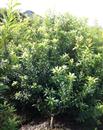
Four Cultivation Methods for Controlling Excessive Vegetative Growth of Waxberry (Chinese Bayberry) Trees
Waxberry trees planted on deep, fertile soil will, if allowed to grow naturally, develop excessive vegetative growth, causing most of the tree's nutrients to be consumed by the growth of branches and leaves, which leads to phenomena such as few or difficult-to-form flower buds, and the tree entering the fruiting stage late or producing low yields. There are four measures for controlling excessive vegetative growth of waxberry trees: 1....
-

What are the causes of and control methods for excessive vegetative growth of shiitake mushroom mycelium?
Causes of and control methods for excessive vegetative growth of shiitake mushroom mycelium
-

How to effectively prevent and control delayed maturity caused by excessive vegetative growth in rice
How to prevent and control delayed maturity caused by excessive vegetative growth in rice
条件筛选