-

Aeroponic vegetables and fruits make their debut at the Agriculture Carnival, showcasing new soilless cultivation technology
In the Agricultural Creativity Hall of the Third Beijing Agriculture Carnival, the solanaceous fruit aeroponic area exhibited for the first time this year is extremely attractive and has become a scene sought after by many visitors. In the "Vegetable Poetry and Painting" exhibition area, after passing through the eggplant trellis of pipe hydroponics and the gourd corridor of pipe substrate culture, you then
-
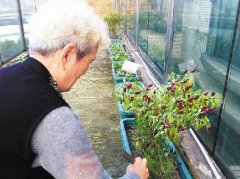
Kitchen waste as organic fertilizer for growing vegetables: eco-friendly, healthy, and it improves the soil
A new method for handling kitchen waste is here. Through "hugelkultur / deep soil planting," raw kitchen scraps and fallen leaves are converted into nutrients plants can use, which not only solves the problem of disposing of raw kitchen waste and rice straw, but also grows vegetables with zero pesticide residues. The garbage problem is getting worse, and
-
What are the key techniques and benefits of soilless vegetable cultivation?
With the development of agricultural modernization, planting models have also changed greatly. For example, soilless vegetable cultivation is very popular now. So what are the key techniques of soilless vegetable cultivation? What are the benefits of soilless cultivation? 1. Key techniques of soilless vegetable cultivation Vegetables
-
A Detailed Explanation of the Key Techniques for Soilless Vegetable Cultivation
The common methods of growing vegetables are open-field or greenhouse cultivation, both of which cannot do without soil. With the development of cultivation technology, soilless vegetable cultivation has also gradually become popular. It not only shortens the time to market and lowers cultivation costs, but can also achieve high yields. It is a
-
What Season Are Celery Vegetables? Including Soilless Cultivation Techniques
Celery is a common vegetable variety in our daily lives. It can be used for stir-frying, making fillings, and more, and is deeply loved by consumers. Celery is one of the vegetables with a very high fiber content, and has effects such as lubricating the intestines and lowering blood pressure. Celery is cultivated in many places across China, mainly including Western celery,
-
Soilless Cultivation Methods and Technical Points for Aquatic Vegetables
Abstract The aquatic vegetables suitable for indoor soilless cultivation include lettuce, celery, cilantro, bok choy, baby bok choy, water spinach, etc. For soilless cultivation, waste plastic boxes can be used as growing pots, then about 1 jin of ceramic gravel and about 1.5 kg of perlite are added; then the seeds
-
A Detailed Guide to Soilless Three-Dimensional Vegetable Cultivation
Abstract Aeroponics: It mainly uses a spraying device to atomize the nutrient solution into small droplets, which are then sprayed onto the plant roots to provide the water and nutrients needed for plant growth. It is a soilless cultivation technique. Aeroponics helps increase yield, which is several times that of soil cultivation.
-
How to Grow Pea Shoots? A Full Breakdown of Key Cultivation Techniques
Summary Soil: Pea shoots can be grown in well-drained, loose and fertile soil. Reasonable fertilization: For the base fertilizer, choose untreated farmyard manure, urea, potassium sulfate and diammonium phosphate mixed in proportion; for the top dressing, nitrogen fertilizer is the main choice. Sowing: sow in April in spring.
-
How to Choose Suitable Vegetable Varieties for Household Indoor Soilless Growing
Abstract Vegetables suitable for household indoor soilless growing include: baby bok choy, small rapeseed greens, water spinach, lettuce, celery, cilantro, etc. Unused plastic boxes can be used as growing pots, then washed ceramic pebbles and perlite are spread on top; the seeds need to be soaked in warm water at about 32°C
-
What types of pesticides are commonly used on vegetables?
Growing vegetables requires fertile soil, and they are also prone to pests and diseases. If measures are not taken in time, this will affect yield and quality. So, what pesticides are commonly used on vegetables? 1. Common pesticides for vegetables: 1. Herbicides: bentazone, quizalofop-p-ethyl, etc.
条件筛选