-
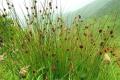
What are the uses of reeds? A comprehensive analysis of their utilization value
What are the uses of reeds?
-
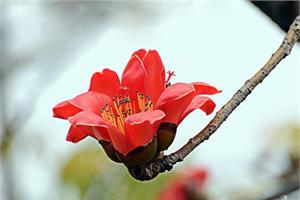
A Detailed Guide to the Culinary Uses and Nutritional Value of the Kapok Flower
What Are the Culinary Uses and Nutritional Value of the Kapok Flower?
-

How to make use of discarded eggshell membrane? Getting every last bit of value from an egg
"Getting every last bit of value" from an egg: what to do with discarded shell membrane
-

Edible Uses and Medicinal Value of Lilies
The lily is a flower that combines ornamental, edible, and medicinal uses. Below we focus on the edible and medicinal aspects of lilies. Edible lilies have relatively high nutritional value, containing 21.29% protein, 12.43% fat, 11.47% reducing sugars, and 1.61% starch, with 1.443 mg of vitamin B and 21.2 mg of vitamin C per 100 g. There are many ways to eat lilies: they can be used in dishes and meals, and can be stir-fried, pan-fried, braised, steamed, or boiled, making it possible to create more than 30 kinds of dishes ranging from mid-range to high-end, among which the most prized include lily with snow
-
What Are the Uses of Snake Venom? A Comprehensive Analysis of Its Main Application Value
1. What Are the Properties of Snake Venom? Snake venom is a toxic protein and polypeptide substance containing various enzymes secreted by venomous snakes, and it is also the substance that causes poisoning reactions after a venomous snake bite. Fresh snake venom is a somewhat fishy-smelling, egg-white-like viscous liquid, appearing yellow, pale yellow, green, or even colorless. When fresh, it shows a neutral or weakly acidic reaction, and after standing for a while it can become alkaline. Its water content is 50%-75%, and its specific gravity is between 1.030 and 1.080. Fresh venom easily forms foam when exposed to air, and at room temperature it is prone to spoilage and deterioration after 24 hours, losing its toxicity.
-
Meiren Mei (Prunus mume 'Meiren') blooms profusely and has high ornamental value
Meiren Mei is a cultivar of the Yinglimei type in the Yinglimei series of Mei (Japanese apricot), bred in the 1980s by the French from a cross between the red-leaf plum (Prunus cerasifera 'Atropurpurea') and a Gongfen-type cultivar, and later introduced to China. Compared with other Mei cultivars, Meiren Mei differs in its morphological features: the small branches are grayish dark purple, the large branches grayish brown-purple, and the foliage tinged with dark purplish red. The flower buds are broadly elliptical, pale purple-pink. The normal flowering period is March in the Yangtze River basin, and somewhat later in the north. The petals number 25 to 28, arranged radially, with the flower center exposed. The flower diameter is 29 to 34 mm, and the flower form is nearly
-
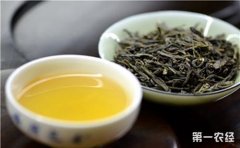
Tea has high nutritional value, so it is too wasteful to throw it away after brewing; the research station promotes healthy tea leaf powder drinks
Is it wasteful to throw away tea after brewing when it still has nutritional value? The Tea Research and Extension Station promotes healthy tea leaf powder drinks. Isn't this better? You can take a good look at it.
-
Peony flower benefits and uses: rich colors, strong ornamental value, and medicinal use in treating gynecological diseases
The peony flower is a very beautiful flower with rich colors. Keeping it at home can not only purify the air but also beautify the home environment. But did you know that besides being ornamental, the benefits and uses of the peony flower also include being a traditional Chinese medicinal herb, with remarkable effects on treating women's diseases and regulating the body's metabolism
-

What are the effects and uses of cockscomb? High medicinal value, extremely effective for gynecological diseases
Cockscomb is a flower native to tropical regions. Over time it has been introduced and cultivated by countries around the world, and today it can often be seen in our country as well. Although cockscomb is grown in many countries, very few people truly understand what its uses are
-
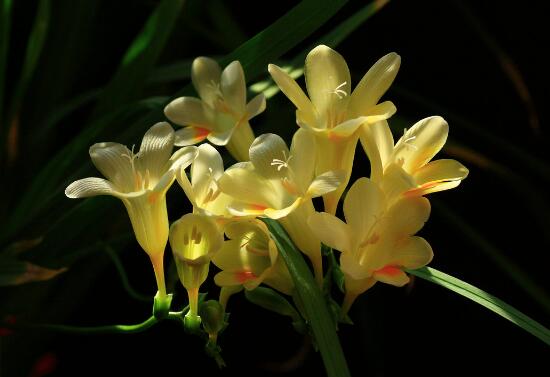
Freesia: Benefits and Uses - Rich Colors, Strong Ornamental Value, and High Medicinal Value
Freesia, also known as xiaocanglan, is a very beautiful flower, not only beautiful in flower shape but also very rich and attractive in color. Because of its beauty, many flower lovers want to grow it indoors, but if it were only beautiful, you would be greatly underestimating freesia. It is understood that freesia has many benefits and uses.
条件筛选