A Detailed Guide to the Culinary Uses and Nutritional Value of the Kapok Flower
The kapok flower is very common in both the south and the north. Kapok trees generally grow in relatively warm places, and they are a type of tree that blooms as soon as spring arrives. The kapok flowers are very beautiful; when they open they are a delicate red, and many people love taking photos under kapok trees. There are also many legends and stories about the kapok flower. So besides knowing that kapok flowers are beautiful, what else do you know? Kapok flowers can also be eaten, because they have high nutritional value. Below, let us take a look at how to prepare kapok flowers.
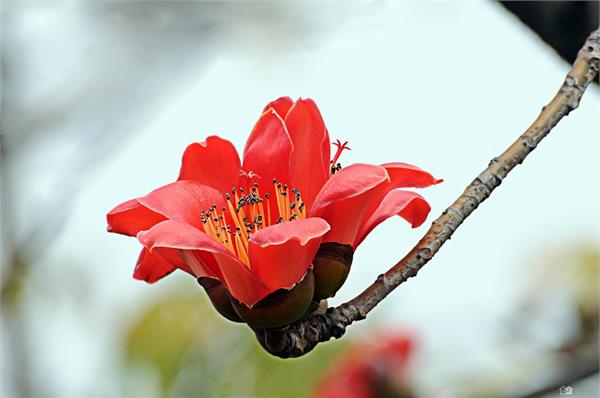
Culinary uses and nutritional value of the kapok flower:
1. Kapok Flower and Dried Tangerine Peel Porridge
Ingredients: 30 grams of fresh kapok flowers, 10 grams of dried tangerine peel, 100 grams of japonica rice, and an appropriate amount of honey. Method: Wash the kapok flowers and dried tangerine peel, add water and simmer to make a decoction, then strain out the residue and set aside; wash the japonica rice, add water along with the kapok flower and dried tangerine peel decoction, and cook into porridge; when the porridge is almost done, add an appropriate amount of honey and simmer briefly before serving.
Benefits: Strengthens the spleen and removes dampness, cools the blood and stops bleeding, moistens the lungs and relieves cough. The kapok flower has the effects of clearing heat, promoting diuresis, detoxifying and stopping bleeding; the dried tangerine peel and honey can moisten the lungs and relieve cough, while the japonica rice can strengthen the spleen and benefit the stomach. Used together, the three further enhance the functions of strengthening the spleen, promoting diuresis, moistening the lungs and relieving cough, and are especially suitable for the elderly with qi deficiency.
2. Kapok Three-Flower Drink
Ingredients: 15 grams of dried kapok petals, 10 grams of honeysuckle, and 10 grams of white chrysanthemum. Method: Wash the kapok petals, honeysuckle and white chrysanthemum; add water and bring to a boil, then drink it as a tea substitute.
Benefits: Clears heat and detoxifies, cools the blood and stops dysentery. Kapok flowers, honeysuckle and white chrysanthemum all have heat-clearing effects: kapok flowers clear heat and cool the blood, honeysuckle clears heat and detoxifies, and white chrysanthemum clears the liver and improves eyesight. Used together, the three further enhance the effects of clearing heat, cooling the blood and stopping dysentery. In the hot summer months, drinking this beverage regularly also has the effect of relieving summer heat.
3. Kapok Flower and Crucian Carp Soup
Ingredients: one crucian carp (about 250 grams), 30 grams of fresh kapok petals, 50 grams of mushrooms, 30 grams of bamboo shoot tips, and appropriate amounts of scallion white, ginger, yellow wine, salt, pepper and monosodium glutamate. Method: Remove the gills and internal organs of the crucian carp and wash it, then drain off the water; wash the kapok petals and drain them; slice the mushrooms and bamboo shoot tips; when the oil in the wok is hot, first add the ginger and scallion white and stir-fry until fragrant, then put the crucian carp into the wok and fry it thoroughly, add water, and add the mushrooms, bamboo shoots, kapok petals, yellow wine and pepper, and cook everything together; finally season with monosodium glutamate and salt and transfer to a serving dish.
Benefits: Strengthens the spleen and nourishes the stomach, clears heat and promotes diuresis, cools the blood and stops bleeding. Both kapok flowers and crucian carp can clear heat and promote diuresis, and crucian carp can also strengthen the spleen and nourish the stomach. With the addition of mushrooms and bamboo shoots, the flavor becomes even more delicious, and the polysaccharides in mushrooms also have the effects of boosting the body's immunity and fighting cancer.
The kapok flower is a very tasty flower, and its petals are very sweet. Many people make kapok flowers into preserved flower snacks, which taste very good. Kapok flowers can strengthen the spleen and stomach, so elderly people like to use kapok flowers to make porridge and soup, which not only adds freshness to the food but also increases its nutritional value. The kapok flower is also a traditional Chinese medicine and is used in traditional Chinese medicine; it can be combined with certain Chinese medicines and has a certain health-preserving effect.
The above is the relevant introduction in this article. I believe that after reading it, you now have a simple understanding of this topic. If you need more, you can continue to follow No. 1 Home Network to learn more information.