-
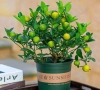
Kumquat: Benefits, Uses, Care Methods, and Precautions
The kumquat, small and exquisite, is a treasure among citrus fruits. It is not only attractive in appearance but also rich in nutritional value and multiple health benefits, making it one of the preferred fruit trees in home gardening. Kumquats are rich in vitamin C, kumquat glycosides, dietary fiber, and various minerals. Vitamin C can significantly boost immunity and effectively prevent
-

Dendrobium Orchid: Benefits, Uses, and Beginner Care Methods
Many people think any flower with the character "lan" (orchid) in its name is hard to grow, because plants in the Orchidaceae family generally have relatively strict growing environment requirements, so even though they can produce beautiful blooms, many people do not dare to try them easily. However, the Dendrobium orchid introduced today completely overturns your understanding of orchids. Dendrobium orchid is also known as the Ink-Splashed Autumn Dendrobium
-

Hellebore: Benefits, Uses, Indications, Growing Methods and Precautions
I believe many retired workers like to grow plants at home to pass the time, and at the same time, they also hope to grow some plants with medicinal value. If that is what you are thinking too, then the plant introduced next is perfect for you! It is the hellebore from the Ranunculaceae family, which has many aliases that differ from region to region, including Black
-

The Benefits and Uses of Meadow Rue, Plus Growing Methods and Precautions
Retired cadres who have been sent to the countryside are surely more than familiar with the "meadow rue" plant. It mostly grows in places such as Sichuan, Yunnan, Guizhou, Hubei, Anhui and Zhejiang, and it most loves to grow on moist hillsides, under forest canopies or beside streams. In traditional medicine it has effects such as treating rheumatism and bruises from falls and blows. Although many young
-

What are the causes of yellow leaves on asparagus fern and what are the pruning methods?
Asparagus fern (Asparagus setaceus): during care, the problem of yellow leaves on asparagus fern often troubles people. To solve this problem, you first need to understand its causes. Inappropriate light is one of the common reasons for yellow leaves on asparagus fern. Asparagus fern likes a semi-shaded environment. If exposed to strong sunlight for a long time, the leaves are easily sunburned, resulting in yellow spots
-
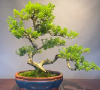
What causes yellowing and drying leaves on boxwood bonsai? Care methods and precautions
As a common ornamental plant, boxwood (Buxus) is deeply loved for its graceful form and evergreen foliage in all four seasons. However, during care, boxwood leaves sometimes turn yellow and dry up. What exactly causes this? First, unsuitable lighting is one of the common causes. Boxwood likes plenty of indirect light.
-

What are the uses and benefits of Podocarpus? Detailed guide to cultivation methods and care management
Today I want to share with you a very special plant - Podocarpus. What is Podocarpus? Podocarpus is a uniquely distinctive plant. Its branches are slender and straight, just like a graceful young woman, giving people a visual impression of upright, upward growth. Its bamboo-like nodes are clear and distinct, regular and neat, displaying a distinctive rhythmic beauty. Fine
-

Causes of Phalaenopsis soft rot and treatment methods for leaf rot
Today let's talk about the most common "leaf rot" in Phalaenopsis in summer, which some people also call "soft rot" or "water rot". This disease is mainly caused by excessively high humidity, insufficient light, and excessively high summer temperatures. Typical leaf rot mostly occurs on the leaves; if it occurs on the neck, it is called stem rot, and they are all caused by the same factors.
-
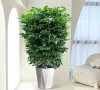
Causes of and Solutions for Yellowing and Falling Leaves on the Radermachera sinica, Plus Potted Cultivation Methods and Precautions
The Radermachera sinica, botanically known as Radermachera sinica (China doll), has an elegant form, upright branches, and glossy, emerald-green leaves. Its crown is like an open green umbrella, bringing a sense of coolness and tranquility. The leaves are ovate or ovate-lanceolate, with clear veins and a smooth texture, as if they were carefully carved works of art by nature. The Radermachera sinica's grow
-

Is it auspicious to grow crape myrtle at home? Benefits, uses and daily care methods
The flower language of crape myrtle is "obsessive love, good luck, eloquence, femininity", symbolizing romance, auspiciousness and harmony. In ancient times, crape myrtle was regarded as a flower of good fortune, symbolizing prosperity and well-being. Therefore, growing crape myrtle at home not only adds greenery but also brings good luck and happiness to the family. Crape myrtle
条件筛选