-
-

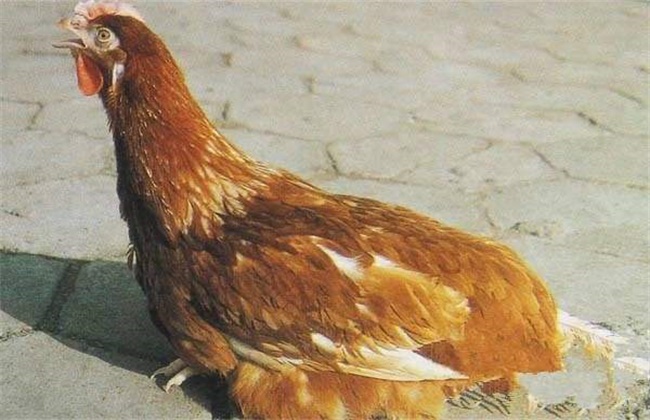
Diagnosis and Treatment of Trichomoniasis in King Pigeons in the United States
An outbreak of disease characterized by digestive tract ulcers, diarrhea, and progressive emaciation occurred at a pigeon farm in the Hengyang area. Through epidemiological investigation, clinical observation, pathological necropsy, and laboratory testing, it was diagnosed as pigeon trichomoniasis. The report is as follows. 1 Disease occurrence The farm has been engaged in pigeon breeding for 10 years, with 500 pairs of breeding pigeons, 300 pairs of replacement breeders (including 85 pairs of replacement pigeons just weaned from their parents), and more than 300 pairs of nursing pigeons during the outbreak. The pigeon house is a double-row shed type; in winter, the north and south sides of the pigeon house are enclosed with woven fabric to block the cold wind, and in summer it is fully open to facilitate heat dissipation. Tall deciduous trees are planted around it, providing good ventilation, good lighting, dry ground, and warmth in winter and coolness in summer. The pigeon cages are four-tier, eight-compartment integrated metal cages, with no droppings trays between tiers, so pigeon droppings fall from the upper tiers to the lower tiers. Before the outbreak, vaccinations against "pigeon type I paramyxovirus disease," "pigeon paratyphoid," and "pigeon pox" had been carried out. Feeding was with grain feed, that is, feeding unprocessed feed ingredients. The feed formula was: corn 60%, rice 10%, @#@245@#@ 10%, peas 15%, and hempseed 5%. This outbreak occurred only among replacement pigeons just weaned from their parents. In May 2002, individual replacement pigeons began to show illness, with depression, reduced appetite, indigestion, and difficulty breathing. After onset, sulfonamides and various other antibiotics were administered, but none were effective. During the entire outbreak period, 92 pigeons became ill and 20 died; the morbidity rate was 54.12%, and the mortality rate was 21.74% of affected birds. 2 Clinical symptoms Sick pigeons showed listlessness, reduced activity or standing motionless, closed eyes, rough and lusterless feathers, reduced feed intake or refusal to eat, requiring manual feeding. During manual feeding, indigestion and feed accumulation easily occurred, with a distended crop, reduced or arrested growth and development, diarrhea, and yellow-white loose droppings, gradually becoming emaciated. Sometimes there was vomiting, difficulty breathing, neck stretching, and open-mouth breathing. Ultimately, due to difficulty breathing and inability to eat, they died from starvation and suffocation. 3 Necropsy changes Ten dead pigeons were necropsied. The main pathological changes were: large areas of yellow-white caseous material covering the mucosa of the oral cavity, pharynx, esophagus, and proventriculus, with ulcerated surfaces after detachment; some raised white nodules formed on the mucosa; the intestinal tract showed hemorrhagic inflammation with large areas of redness; and a few livers had yellow-white necrotic foci the size of sesame seeds. 4 Laboratory examination A small amount of esophageal secretion or crop wall scraping from typical cases was placed on a slide, one drop of normal saline was added, and the mixture was stirred evenly with a toothpick. A cover slip was added and examined under a microscope at 400x magnification, revealing pear-shaped or spindle-shaped organisms. 5 Prevention and control 5.1 Isolation and disinfection All affected pigeons were moved to another house and isolated. The pigeon house and pigeon cages were thoroughly cleaned. The pigeon house was washed with high-pressure water and then disinfected by splashing with 2% caustic soda solution. The pigeon cages were scrubbed with disinfectant solution. Feed troughs and drinkers were soaked and disinfected with 1% potassium permanganate solution, combined with disinfection in the presence of pigeons, 3 times per week for 2 consecutive weeks. At the same time, feeding management was strengthened, environmental hygiene was improved, and indoor ventilation and dryness were maintained to enhance body resistance. 5.2 Treatment (1) Drinking water medicated with 0.05% metronidazole for 5 days as one course of treatment, for 2 consecutive courses, can achieve relatively good results, or drinking water with 0.05% copper sulfate solution for 6-8 days. (2) Add 1,2-dimethyl-5-nitroimidazole to the health grit at 10 mg per bird for 5-7 consecutive days. (3) Oral administration of 2-amino-5-nitrothiazole, 20-40 mg per bird, for 1 consecutive week. Through the above prevention and control measures, the outbreak was brought under control after 1 week. At the time of illness, fluid accumulation was obvious, and the two could be easily distinguished on ultrasound images. The clinical symptoms of the pigeons completely disappeared, and no deaths occurred. 6 Summary and discussion 6.1 Strengthening feeding management, improving environmental hygiene, and conducting reasonable drug prevention (0.05% metronidazole in drinking water, once a month), with special attention to routinely adding microecological preparations to the health grit to maintain normal intestinal flora and enhance the pigeons' constitution, are effective measures to reduce or eliminate the occurrence of this disease. 6.2 At present, most pigeon farms feed feed ingredients, making it extremely inconvenient to administer medicated feed. In order to reduce the workload of treatment while achieving the treatment goal, it is best to add the administered drug to the health grit according to dosage. This saves time and effort and has relatively good effects, but care must be taken that the daily amount of health grit added does not exceed the pigeons' daily feed intake; otherwise, it will cause waste of the drug in the health grit and fail to achieve the treatment goal. In reports on pigeon disease treatment, almost all oral drug administration is by mixing into feed. I believe this is inappropriate or impractical, because the vast majority of pigeon farms basically feed feed ingredients, and medicinal powder cannot be mixed into the ingredients. If feeding is changed to powdered feed when administering drugs, according to our experience, pigeons basically do not eat powdered feed. If medicinal powder is added to the feed and then made into pellets, this is too troublesome and unrealistic. At the same time, during pellet production, high temperature will damage the medicinal properties and efficacy, thereby failing to achieve the treatment effect. Therefore, when treating pigeon diseases, oral drugs are best administered by the following routes: (1) Administration via drinking water. (2) Direct administration from the oral cavity into the crop. (3) Mixing into health grit. 6.3 After young pigeons just weaned from their parents are infected with this disease, their appetite is low, and most require manual feeding, and indigestion easily occurs. During treatment, attention should be paid to feeding yeast tablets, 1 tablet in the morning and 1 in the evening, to promote digestion, which has a very good auxiliary effect on accelerating recovery from this disease. 6.4 The clinical symptoms of pigeon trichomoniasis have many similarities with candidiasis, pigeon pox, and vitamin deficiency. Attention should be paid to distinguishing them during diagnosis. When necessary, microscopic examination is required, and a diagnosis can only be confirmed when pear-shaped or spindle-shaped organisms are observed under the microscope.
-
Detailed Explanation of Full-Course Immunity and Health Care Technology for Commercial Pigs
In recent years, infectious diseases in pigs have increased, conditions have become complex, treatment has become difficult, and mortality rates have risen. In particular, the highly pathogenic blue ear disease (highly pathogenic PRRS) that occurred in 2006 swept across half of China within six months, causing severe losses to China's pig industry. Many farmers lost everything and were ruined. Under this situation of high disease incidence, it is very important to do a good job in pig immunity and health care and to take preventive measures. Many farmers who have newly joined the breeding industry also do not know how to carry out vaccine immunization and medication-based health care. Below is a discussion of: vaccine and medication immunity and health care technology for pigs.1
-

What fish are best to keep in a community tank with parrotfish?
What fish are good to keep in a community tank with parrotfish?
-
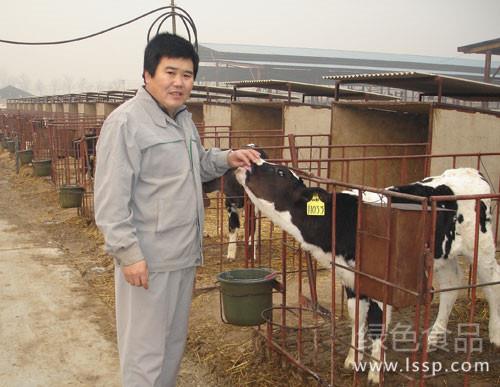
Feeding Key Points for Transition Dairy Cows: Declining Immunity Affects Milk Yield
Declining Immunity Affects Milk Yield: Feeding Key Points for Transition Dairy Cows
-
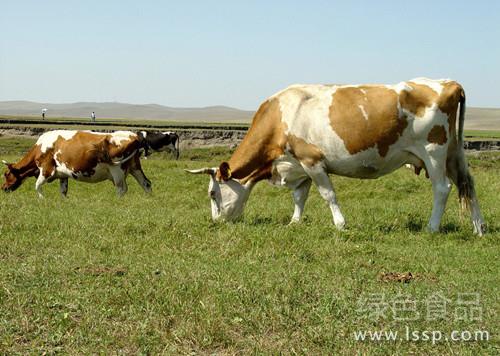
How to Carefully Manage Postpartum Dairy Cows with Weak Constitution, Poor Digestion and Low Immunity
How to Carefully Manage Postpartum Dairy Cows with Weak Constitution, Poor Digestion and Low Immunity
条件筛选