How to Carefully Manage Postpartum Dairy Cows with Weak Constitution, Poor Digestion and Low Immunity
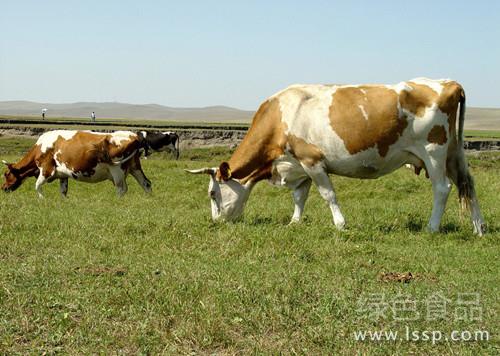
Dairy Cows
I. Postpartum Feeding of Dairy Cows:
1. In the early postpartum period, when the dairy cow's appetite has not yet recovered, its digestive function is weak, its body is weak, and its resistance is low. The feed should be mainly high-quality hay with a small amount of concentrate as a supplement. Energy feed that is palatable and easy to digest should be given; let the cow eat high-quality hay freely and appropriately increase the concentrate. If the cow's milk yield rises as feed is increased, continue to increase the feed; when the milk yield no longer increases after adding feed, reduce the surplus feed until milk and feed reach a corresponding balance. At this time, dry matter intake should reach 2% of the dairy cow's body weight, the crude protein level of the ration should be no less than 13%, and the ratio of concentrate to roughage should be 1:3. To improve the dairy cow's appetite, add an appropriate amount of probiotics daily; to supplement nutrition, 12% carrots and 11% sugar beets can be added to the ration, along with calcium lactate or calcium gluconate, to prevent cow paralysis.
2. In the mid postpartum period, the dairy cow's constitution gradually recovers and milk production rises, gradually reaching its peak. At this time, high-energy and high-protein feed must be given, and the number of feedings should be appropriately increased. The crude protein level in the ration should reach 16%, and dry matter intake should account for 3.5% of the lactating dairy cow's body weight. According to milk yield, concentrate should be supplied according to the standard, roughage should be eaten freely, drinking water should be sufficient, and the dairy cow's exercise should be strengthened.
3. In the late postpartum period, milk production declines slowly and body weight begins to increase. During this period, high-quality roughage should be supplied, with an appropriate amount of concentrate fed. Dry matter intake should reach 2.5% of the lactating dairy cow's body weight, the crude protein level of the ration should be below 12%, and the monthly decline in milk production should be controlled at 4%-6%.
4. The postpartum dry period of dairy cows. In the early dry period, high-quality green roughage should be the main feed, and an appropriate amount of concentrate should also be fed. Generally, feed 8-10 kg of high-quality hay, 15-20 kg of green fodder, and 2-3 kg of mixed concentrate per day. In addition, the ration should ensure an adequate supply of the minerals calcium and phosphorus, vitamins and salt to meet the needs of fetal growth and development. In the late dry period, gradually increase the amount of concentrate fed, which can be increased by 1 kg per week; by one week before calving, the amount of concentrate fed should be about 7.5% of the pregnant cow's body weight.
II. Postpartum Health Care of Dairy Cows:
1. Do a good job of cow body and environmental hygiene. Clean the cow's body promptly after calving and disinfect it to prevent diseases such as metritis; conscientiously carry out routine disinfection work, disinfecting the cowshed and surrounding environment once a week in winter and spring and twice a week in summer and autumn, and ensure feed and drinking water hygiene. Clean the cowshed and exercise yard frequently and add bedding frequently to keep them clean and dry. Also pay attention to ventilation and light transmission, guard against draft and cross ventilation, and keep warm in winter.
2. Scientific milking. To prevent postpartum mastitis in dairy cows, in the first week after calving, the cow should be milked several times a day, 3-4 times daily, to avoid udder edema; apply hot compresses several times, and at each milking wash and wipe the udder with warm water at 50°C-60°C, and apply warm compresses several times with a wet towel dipped in hot water; at the same time, massage the udder several times before and after milking. To prevent postpartum paralysis in dairy cows, do not strip all the milk from the udder during the 3 days after calving; generally, milk out only 60%-70% on the first day, 75%-80% on the second day, 85%-90% on the third day, and completely strip the milk on the fourth day. Strictly maintain milking hygiene; before milking, clean the dirt from the dairy cow's tail area and wash the cow bed with water; milking staff should be in good health and should not be changed frequently, and the milking time, milking site and milking order should be fixed.
3. Reasonably increase lighting. Reasonable lighting can increase the milk yield of dairy cows, prevent vitamin D deficiency and osteoporosis, and enhance the disease resistance of dairy cows. In winter, artificial lighting should be added for dairy cows so that the total daily light duration reaches 14 hours.
4. Carry out timely breeding of dairy cows. Strictly follow the operating procedures of artificial insemination to breed dairy cows, so that the dairy cow is inseminated and conceived within one estrous period, preventing contamination during breeding.
5. Keep postpartum dairy cows exercising once in the morning and once in the afternoon every day, at least 1 hour each time. Exercise makes the dairy cow's constitution strong and maintains a relatively high milk production level; brush the cow's body 2-3 times a day, which can both keep the skin clean and prevent skin diseases, and is especially important for postpartum lactating dairy cows.
6. Regularly carry out disease antibody testing on postpartum dairy cows, and do a good job of immunization against infectious diseases such as foot-and-mouth disease and brucellosis.