Feeding Key Points for Transition Dairy Cows: Declining Immunity Affects Milk Yield
The transition period of dairy cows refers to the month before and after calving, including late gestation and early lactation. During this stage, the cow's physiology undergoes major changes and its immunity declines, so even a slight lapse in care can easily lead to illness and even affect milk yield throughout the entire lactation period. Therefore, strengthening the feeding management of transition dairy cows is very important.
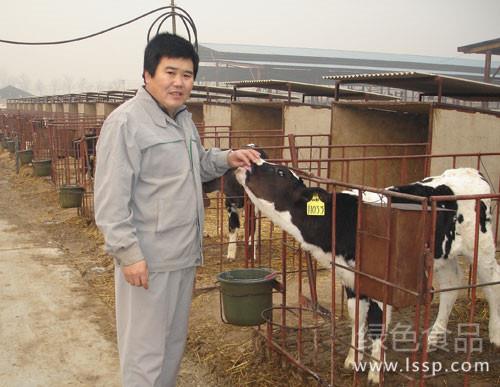
Transition dairy cow
Reasonably adjust the feeding method: maintain a balance between concentrate and roughage, and control the calcium salt content.
① The amount of concentrate fed can follow the dry period standard, preferably 3-5 kg per day, but the specific amount should be determined by the cow's own condition, and the maximum feeding amount must not exceed 1% of the cow's body weight. Feeding too much concentrate not only increases feed costs but can also cause diseases such as difficult calving and ketosis. For cows whose udders show little change and that are somewhat thin, the concentrate feed can be appropriately increased, but overstimulating milk production too quickly should be avoided.
② Within 15 days before calving, reduce the amount of salt fed from the original 100 g per day to 50 g. After being moved into the maternity pen, the amount of salt used should also be appropriately reduced to promote the recovery of the cow's appetite after calving.
③ For dairy cows in the 15 days before calving, implement a low-calcium diet, reducing the calcium content in the cow's diet to 1/3-1 /2 of the usual level, to accelerate the transfer of calcium from the cow's bones into the blood and prevent postpartum paralysis.
Improve dairy cow care and management measures:
① When a dairy cow enters the transition period, if conditions permit, a maternity pen should be set up, and the calving bed should be dry, well ventilated, and quiet.
② Appropriately increase the cow's exercise before calving to prepare for delivery. Natural calving should be the main approach; if assistance is needed, strict disinfection must be carried out.
③ After calving, the cow should immediately be given Motherwort water or warm brown sugar water, and be made to stand up to promote the expulsion of lochia.
④ Within 1-2 days after calving, feed easily digestible concentrates such as cornmeal and wheat bran, as well as high-quality green hay. For those with retained placenta, the uterus can be treated in conjunction with systemic treatment of the cow to prevent complications. At the same time, observe at all times to minimize the occurrence of digestive and metabolic diseases in dairy cows, so as to produce more milk and get sick less, and prepare for breeding 60 days after calving.
Scientifically control the amount of milking:
The amount of milking after calving directly affects the cow's health and the performance of its lactation function, and poor control can easily induce postpartum metabolic disorders in the cow. Therefore, it must be scientifically controlled. Generally speaking, on the 1st day after calving, the milking amount is 1/3 of the daily milk yield. From the 2nd day after calving, gradually increase the cow's milking amount. After the cow's lactation and digestive functions have basically recovered, normal milking can then be resumed. Under normal circumstances, recovery can be achieved 3-5 days after calving. In this way, milk fever in dairy cows can be effectively prevented, milk yield can be promoted, and milk quality can be improved.