-
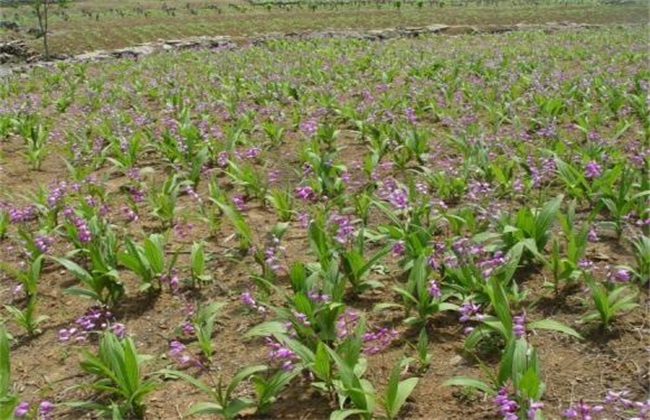
What are the risks of growing Bletilla striata? Growers need to understand them in advance
The cultivation risks of Bletilla striata
-
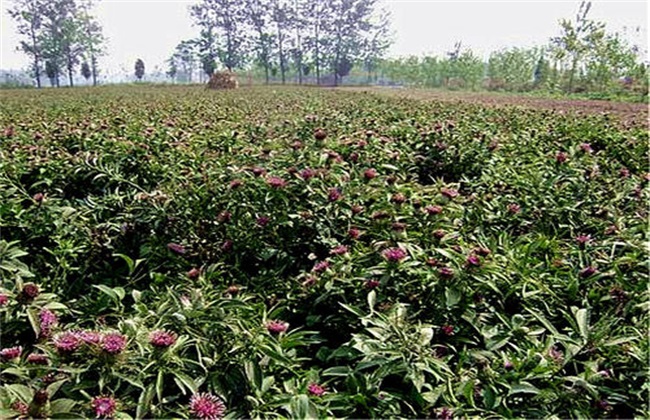
What are the risks of planting Atractylodes macrocephala? You need to understand them clearly before planting
Risks of planting Atractylodes macrocephala
-
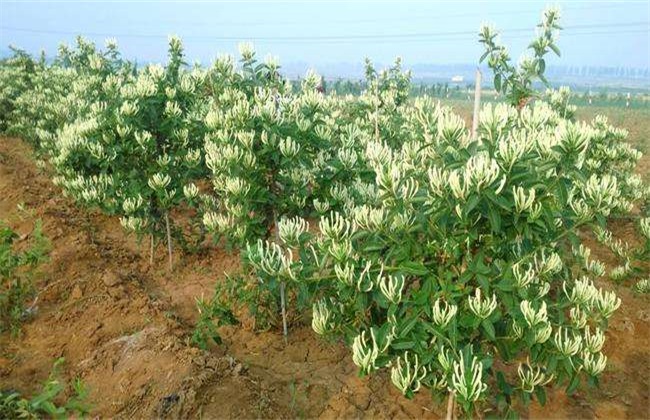
What are the growing conditions for honeysuckle? Understand the growth environment requirements in one article
Growing conditions for honeysuckle
-
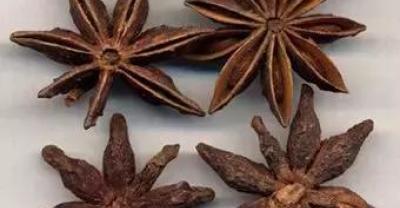
What kind of medicinal herb is Angelica sinensis? A guide to understanding it
Herb name: Angelica sinensis Harvesting and processing: Angelica sinensis is generally cultivated until late autumn of the second year, when it is dug up, the stems, leaves, fibrous roots and soil are removed, and it is left to stand until the moisture evaporates slightly and the roots become...
-

How do you grow wild strawberries? First, understand its scientific name
How should wild strawberries be grown
-

What are the key points of field management for Sichuan lovage? Understand it in one article
Key points of field management for Sichuan lovage
-

What are the precautions for growing motherwort? Read this article to understand
Precautions for growing motherwort
-
Detailed Explanation of Key Techniques for Understory Cultivation of Asarum heterotropoides var. mandshuricum
Asarum heterotropoides var. mandshuricum (northern wild ginger, Liaoning wild ginger), a perennial herb of the genus Asarum in the Aristolochiaceae family, is used medicinally as a dried whole plant. It has the effects of dispelling wind and dispersing cold, opening the orifices and relieving pain, and warming the lungs and resolving phlegm. It is mostly distributed in the eastern mountainous areas of the three northeastern provinces. 1. Biological characteristics 1.1 Growth and development Asarum heterotropoides var. mandshuricum is a perennial herbaceous plant. It usually takes 5-7 years from sowing to the formation of new seeds, after which it flowers and sets seed every year. Within a year, the flowers and leaves of wild ginger open in early spring; by May the aboveground plants have basically finished growing, stop growing, and do not put out new leaves; in July the buds differentiate, and by autumn they form
-
Detailed Explanation of Key Techniques for Understory Cultivation and Management of Asarum
Asarum is a perennial herbaceous medicinal plant of the genus Asarum in the family Aristolochiaceae, with antipyretic, wind-dispelling, diaphoretic, expectorant, and analgesic effects. Wild asarum is mainly distributed in the forest regions of Liaoning and Jilin. Asarum is a shade-loving plant, but if the understory temperature is too low and the light too weak in its wild state, it grows extremely slowly. Generally, understory cultivation takes more than 6 years from planting to harvest, and the plants are short, with only 2-3 leaves per plant, yielding very little. Farmers are accustomed to digging up wild asarum in May, when the seeds are not yet ripe, which seriously affects the natural
-
Key Points for Pest and Disease Control in Understory Cultivation of Asarum
1. Diseases. Asarum sclerotinia rot is a devastating disease of cultivated Asarum, affecting the roots, overwintering buds, stems, leaves, flowers, fruits and other parts of the plant. It occurs mostly in spring and autumn, and in severe cases can cause the complete death of Asarum. Control measures: follow the principle of "prevention is more important than cure" and make proper arrangements. (1) Block off affected areas. Prohibit the transport of diseased seeds and diseased seedlings to the outside to prevent human-mediated spread. Affected areas and seedbeds should be thoroughly treated in a timely manner. (2) Establish disease-free seedling bases. Select disease-free seedlings for transplanting, establish strict management systems, and prevent diseased soil,
条件筛选