-

How to grow a Testudinaria elephantipes? Introduction to growing this plant that carries a turtle shell on its back
The plant that carries a turtle shell: an introduction to Testudinaria elephantipes and how to grow it
-
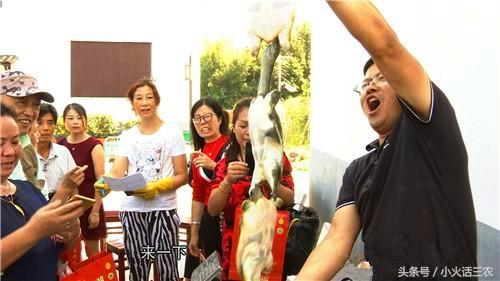
A soft-shelled turtle expert teaches you the open-air farming method to raise wild soft-shelled turtles
His soft-shelled turtles are very ferocious; once they bite, they will not let go. Ferocious soft-shelled turtles are hard to catch, attracting many tourists to jump into this mud pond. Five years ago, how to sell soft-shelled turtles gave him...
-

What should you do if a snapping turtle develops shell rot? Symptom identification and prevention techniques
Symptoms of shell rot in snapping turtles and prevention techniques
-
What are the disinfection methods for sand used in turtle and soft-shelled turtle incubation
In recent years, with the rise of artificial turtle and soft-shelled turtle farming, how to increase the hatching rate of turtle and soft-shelled turtle eggs and hatchlings has become an urgent matter. Because some turtle and soft-shelled turtle farms still use the traditional old method, using untreated sand as the carrier for incubating eggs, they do not realize that untreated sand contains a large number of pathogens and pests, which often contaminates and ruins the eggs during incubation, and some farms fail because of this. In my 21 years of turtle and soft-shelled turtle farming practice, I have worked out methods for disinfecting sand and improved the hatching rate. Now I will introduce several very practical disinfection methods
-
How to Select Breeding Softshell Turtles? Master the Selection Techniques to Choose High-Quality Breeding Softshell Turtles
Breeding softshell turtles refers to softshell turtles used for reproduction. Under natural conditions, due to the influence of climate and the harm caused by natural enemies, softshell turtles not only grow and develop slowly, but also have a low survival rate. In addition, after years of indiscriminate hunting and capture, wild resources are almost on the verge of extinction. Therefore, using artificial methods to intensify the cultivation of breeding softshell turtles is the main key to solving the source of softshell turtle seed and developing softshell turtle farming production. The selection of breeding softshell turtles should pay attention to the following issues. 1. Age: In the Jiangsu area, generally female and male softshell turtles aged over 3 years, that is, weighing more than 0.25 kg, will engage in mating behavior,
-

What do soft-shelled turtles eat? Learn about the common foods of soft-shelled turtles in one article
What do soft-shelled turtles eat
-
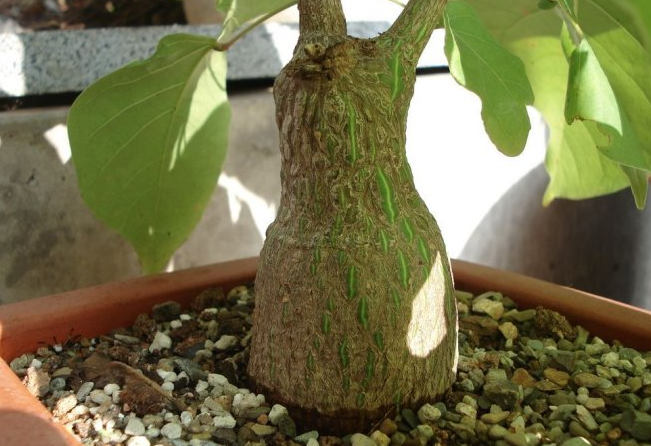
How to grow Pseudobombax ellipticum so its turtle-shell cracks look even more beautiful? With care experience
Green-backed turtle-shell bombax Pseudobombax ellipticum, family Bombacaceae (Bombacaceae), genus Pseudobombax (Pseudobambax). Aliases: pink bombax, pink shaving brush, green-backed turtle-shell bombax, football tree, elliptic-leaved bombax, turtle-pattern bombax
-
Raising red worms as feed for turtles and soft-shelled turtles delivers high economic returns
In turtle and soft-shelled turtle breeding ponds, small red worms often appear, swimming in clusters and sheets on the pond surface and in the corners, forming a layer of red water bloom on the water surface. The real name of the red worm is Cladocera, and it is a type of zooplankton in water bodies. It is composed of many planktonic flea species, with an average body length of about 1 mm. The normal body color of Cladocera is grayish white; it turns red only when the water is lacking oxygen, which is why red worms are mostly found in foul ditches. When large numbers of red worms are found in a turtle or soft-shelled turtle pond, it indicates that the pond water has begun to deteriorate,
-
Harvesting, Processing Methods and Technical Key Points of Turtle Shell
Turtle shell, also called turtle plastron, is the dried ventral shell of the turtle, a reptile of the turtle family. This product has the functions of nourishing yin and subduing yang, tonifying the kidney and strengthening the kidney, and nourishing blood and supplementing the heart. It is used for conditions such as yin deficiency with tidal fever, night sweats, convulsions due to yin damage in the late stage of febrile disease, soreness and weakness of the waist and knees, abnormal uterine bleeding, and hemorrhoids with fistula. Turtles are produced in most areas of China, with more in Jiangsu, Zhejiang, Guangxi, Anhui, Hubei, and Henan. In the wild, this animal mostly lives in groups in rivers, marshes, lakes, and ponds, and can be caught throughout the year. For a captured turtle, use a sharp knife to cut and scoop from the tail to the head, then from the other side of the head, cut and scoop
-
The correct way to slaughter a live softshell turtle and the parts that cannot be eaten
Softshell turtle is the common name for the Chinese softshell turtle (Pelodiscus sinensis), also called tuan yu or shui yu. It is not only a delicious dish on the table and a quality ingredient for high-class banquets, but can also be used as a traditional Chinese medicine ingredient. It has many tonic and medicinal benefits. So how do you kill a live softshell turtle? What parts cannot be eaten? Live
条件筛选