-

The Mopan jujube is an ornamental tree suitable for courtyard planting
Aliases: Mozi jujube, Hulu jujube (Hebei), Yaohulu jujube (Gansu). It is fairly widely distributed; it is cultivated in places such as Dali in Shaanxi; Qingyang in Gansu; Jiaohe, Qingxian, Xianxian, Quyang, Daming and Weixian in Hebei; and Leling, Wudi and Xiajin in Shandong, but the quantity is very small, mostly planted scattered around the four sides [of homes and fields]. It has a long history of cultivation. The tree is vigorous, relatively large, with medium-strong trunk dominance; the crown is a natural semicircle and the tree posture is open. A 23-year-old tree: trunk height 1.1 m, trunk circumference 60 cm, tree height 7.35 m, crown diameter about 7 m. The main trunk is grayish brown, with deep bark cracks
-
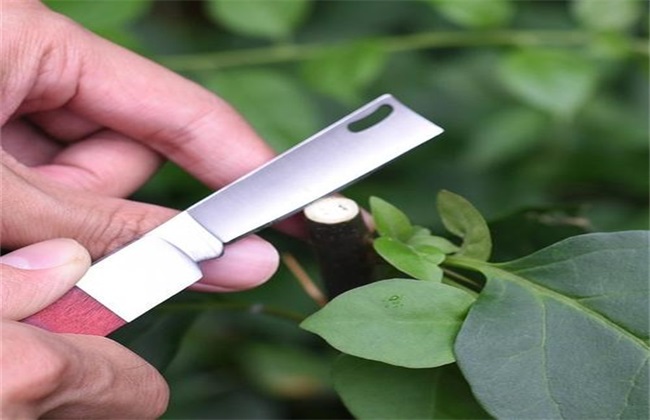
When Is the Best Time to Graft Fruit Trees? A Detailed Guide to Methods
Fruit Tree Grafting Time and Methods
-
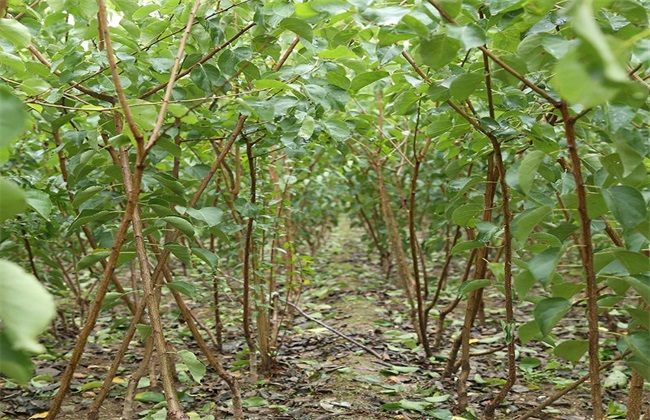
Detailed Guide to Apricot Cultivation Techniques: Master the Key Points of Growing Apricot Trees
Apricot Cultivation Techniques
-
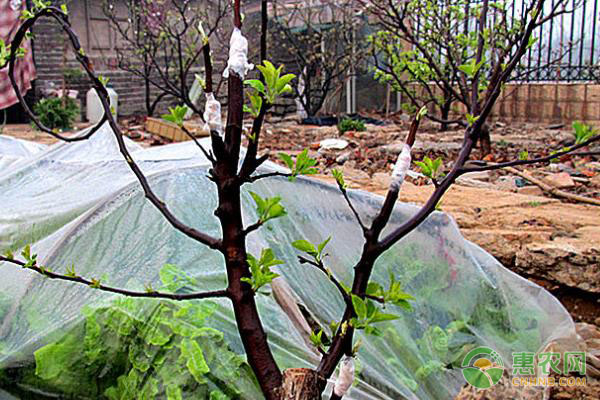
What causes low fruit set in apple trees? How can it be solved?
Causes of low fruit set in apple trees and how to solve them
-
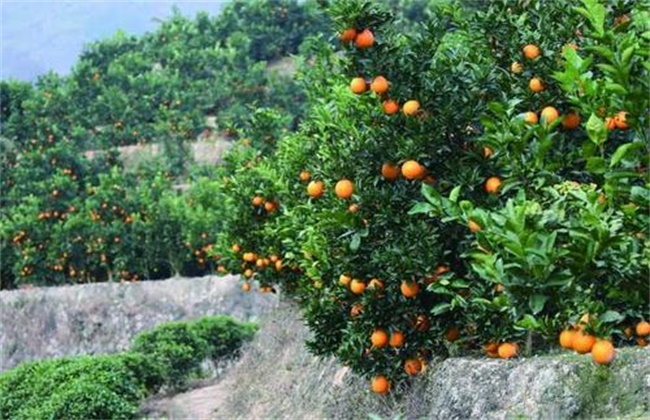
Detailed Explanation of Key Techniques for Flower and Fruit Preservation in Orange Trees
Flower and Fruit Preservation Techniques for Orange Trees
-

What factors affect the survival rate of fruit tree grafting?
Factors affecting the survival rate of fruit tree grafting
-
What plant is Manglietia moto? Introduction to a tree species of the genus Manglietia in the family Magnoliaceae
Manglietia moto is an evergreen large tree of the genus Manglietia in the family Magnoliaceae. Because its flowers and fruits hang upside down from the branches, it is also known as weeping-fruit manglietia. The tree form is upright and graceful, the leaves are elegant and unusual, and the flowers are large and fragrant. The bark of Manglietia moto is dark gray, with lenticels, and smooth. The young branches, buds, young leaves, petioles, and fruit stalks are all densely covered with rust-brown tomentum, and the leaves are thickly leathery. The flowering period is from late April to mid-May, and the fruit ripening period is mid-to-late October. The aggregate fruit is ovoid, with wart-like protrusions on the back of the fruit. Manglietia moto is naturally distributed in Guangdong, Guangxi, Fujian, Hunan, and other places in China. Its resources are scarce, and it grows
-

What Does a Dragon Fruit Tree Look Like? A Detailed Analysis of Its Physical Characteristics
What does a dragon fruit tree look like?
-
Cultivation and Management Techniques for Young and Fruiting Lychee Trees
Lychee belongs to the Sapindaceae family and originated in our country. It is one of the four famous fruits of southern China, with a cultivation history of over 2,000 years. The following growth characteristics of young lychee trees have been summarized from lychee cultivation experience: (1) low branching order of shoots; (2) large shoot growth volume; (3) vigorous root growth; (4) early flowering period...
-
Post-harvest management of peach trees must be done promptly, and sooner is better than later
Pruning to promote balance. Peach trees grow multiple times a year, which easily makes the canopy dense, with poor ventilation and light penetration, affecting flower bud formation. Therefore, after harvesting peaches, the crossing branches, overlapping branches, diseased and pest-infested branches within the canopy, and the vigorous water sprouts in crowded areas should be thinned out. For bare and empty areas, ringing (girdling) should be done to promote new shoots to fill the space and increase next year's yield. Thorough orchard cleaning and emphasis on prevention. Combined with shaping and pruning, clean up the peach orchard, remove the pruned branches from the orchard, and at the same time spray once with Jinlishi 6000x solution, 40% Guolong 12000x solution, and amino acid 3
条件筛选