-
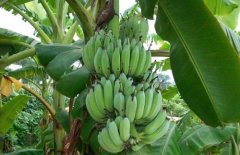
Banana tree varieties: Origin and characteristics of Musa ornata, Musa laterita, and Musa beccarii
The potted cultivation method for banana plants is a growing method that many people now know. In addition to being grown in gardens or pots, ornamental banana varieties with showy flowers have large, brightly colored blooms that are suitable for cut flowers use, and are even more distinctive when used in flower arrangements. Foliage varieties (
-

How to Protect Cherry Trees from a Late Spring Cold Snap? 7 Tips to Help Growers Avoid a Total Crop Loss
A late spring cold snap is a killer for crops. During March and April, just when some crops are at key stages of flowering and young fruit development, a late spring cold snap can very likely cause reduced yields or even a total crop loss. For example, cherry trees, which are relatively sensitive to environmental changes, need proper protective measures
-
How to prevent and remedy late spring frost damage in fruit trees? Growers advised to save this after a warm winter
Although spring has already arrived and temperatures are rising, sudden cold air outbreaks are still possible. This phenomenon is commonly known as late spring frost, and the fluctuating environmental temperatures can cause great harm to fruit tree growth. So after a warm winter, what are the prevention and remedy measures for late spring frost damage in fruit trees?
-
Late spring cold snap strikes: how to protect vegetables, wheat and fruit trees?
Late spring cold snap is a weather phenomenon in which temperatures in early spring are lower than the same period in normal years, and crops often suffer frost damage as a result. This kind of dramatic turn in the weather is very unfavorable to agricultural production. If preventive measures are not taken in time, crops can easily be frozen. So, vegetables, wheat, fruit trees
-
Tree radish cultivation methods: water thoroughly but do not let water accumulate; stop fertilizing in summer
Summary Soil: choose high-humidity humus soil that does not accumulate water; you can mix in cake residue and bone meal as a base fertilizer. Temperature and humidity: tree radish is cold-tolerant but not heat-tolerant, and needs shading in summer. Watering: when the soil is completely dry, water thoroughly at one time, and mist the leaf surface to keep it moist. Fertilizing: in spring and
-
New peach tree bagging technique: bag one month after flowering, and later-stage management is very important
For the bagging method for peach trees, first of all it is best to use paper bags, which require good permeability, sufficient light-blocking and water-absorbing properties, and an even coating inside of low-toxicity, low-residue fungicides that are harmless to the fruit. When bagging, first open the bottom of the paper bag, then carefully
-
Detailed explanation of the latest management techniques for apple trees
1. Water and fertilizer management Water and fertilizer are the foundation and root of apple tree growth and fruit enlargement. Only when water and fertilizer are sufficient can vigorous tree growth and abundant fruit be ensured. The method is: every winter, spring and summer, ensure the orchard is watered once. Meet the water requirements of the fruit trees and fruit at each growth stage.
-
How to prevent late spring cold damage during the pear tree flowering period
Spring late cold spells and frosts are very harmful to pear trees. Generally, when pear trees encounter a low temperature of -4.0°C at the bud stage or -2.3°C to -2.9°C at the flowering stage lasting more than half an hour, the flower organs will suffer freezing damage, usually manifested as poor pollination, dried and dead stigmas, and browned filaments or
-
Management Methods for Pear Trees in the Late Full-Bearing Stage and the Senescent Stage
Once pear trees enter the late full-bearing stage and the senescent stage, poor management, insufficient fertilizer and water, excessive fruiting load, and worsening pests and diseases will accelerate the trees' decline and death, causing them to lose their cultivation value. I. Manifestations of pear trees in the late full-bearing stage and the senescent stage. Late full-bearing stage: yield declines year by year,
-
Key Management Techniques for Pomegranate Trees in Late Autumn and Early Winter
1. Fertilization. After harvesting the fruit in autumn, applying an appropriate amount of human manure and urine helps accumulate nutrients in the tree. The fertilization method is to dig a circular fertilization trench about 30-50 cm deep and about 40 cm wide at the outer edge of the tree canopy, or, centered on the main trunk of the fruit tree, dig radial fertilization holes 30 cm deep and 20 cm wide at intervals around the outer edge of the tree, and dig the trench and apply the fertilizer on the same day. The amount of fertilizer applied should be determined according to tree vigor, tree age, soil fertility, and the current year's yield. In autumn, pay attention to foliar topdressing, which should focus mainly on phosphorus and potassium fertilizers, with a total fertilizer solution concentration not exceeding 0.3%. For topdressing outside the roots, biogas slurry or decomposed manure water can also be sprayed.
条件筛选