-

Comprehensive Analysis of the Morphological Characteristics of Walnut Trees
I. Root System The portion of the walnut below the root crown is collectively called the root system, which is divided into the primary root, lateral roots and fibrous roots. The primary root is well developed, the lateral roots extend far horizontally, the fibrous roots are numerous and the root system is vigorous. Generally speaking, the root system of precocious walnuts is more developed than that of late-bearing walnuts, and this is especially evident in young trees.
-
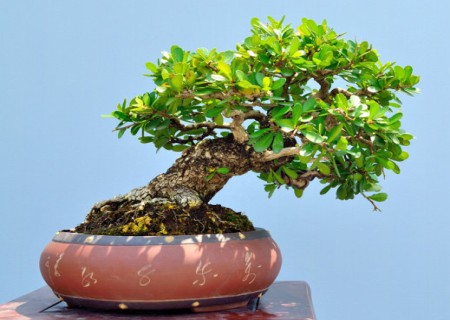
A detailed explanation of the Lingnan bonsai crown-finishing branch method, mastering the key points of tree crown shaping
For the crown finishing of a stump bonsai, the traditional left-right-left method can be changed to a spiraling crown finish. This keeps the crown low yet still allows for a rich tree form, giving the bonsai plant a wonderful effect of a thick but low trunk in a specific natural environment. At the same time, it also gives people a fresh, simple and natural feeling
-
Symptoms and Control Methods of Tea Tree Crown Gall
Symptoms It occurs in Anhui, Zhejiang, Guangdong and other provinces. It mainly damages the roots. When the main root and lateral roots are infected, light brown spherical small protrusions first appear on the diseased part, then expand into tumor-like growths, small ones resembling grains of rice, large ones resembling broad beans, and multiple small tumors gather together into large tumors. In the later stage, the diseased tumors turn brown and become lignified, with a rough surface and hard texture. When cuttings and seedlings are infected, they have few fibrous roots or fail to develop roots, causing the seedlings and plants to become weak or the leaves to turn yellow and fall off, and the plants die. Pathogen Agrobacterium tumefaciens
-

Occurrence patterns and control methods of pear tree crown gall
Occurrence and control of pear tree crown gall
-
What is the olive flower? Introducing the woody plant olive flower
The olive flower belongs to the Oleaceae family, in the same tribe as osmanthus and lilac. Its crown is tall, straight and verdant, and the undersides of its leaves are covered with white scales. In sunlight, silvery white and emerald green shine against each other, graceful and elegant.
-
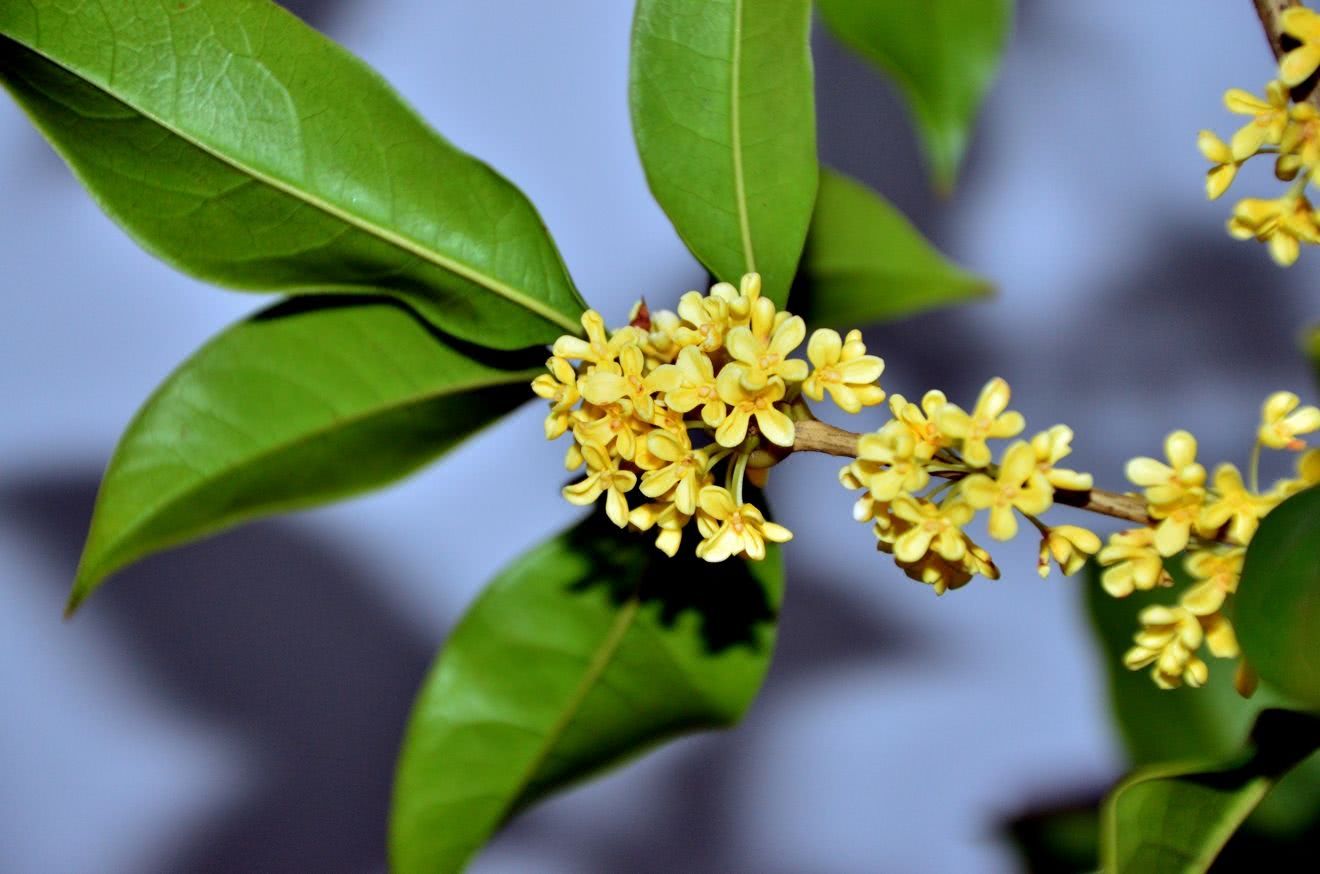
The Legend of the Laurel Tree: Apollo's Love Buried in a Sorrowful Crown of Bay Leaves
The laurel tree refers to a tree from eastern India with reddish-brown bark and a dark brown hue, featuring winding, curled grain and tough wood. It is a subtropical species native to the Mediterranean region, and is widely cultivated in gardens in Jiangsu, Zhejiang, Taiwan, China, Fujian...
条件筛选