-

Ractopamine, a lean meat agent, is banned; scientific pig farming to increase lean meat percentage is the right path
What is the lean meat agent (ractopamine)? Why is it banned in pig farming? This article explains the principles and harms of these substances, and shares safe and scientific feeding and management methods to increase the lean meat percentage of pigs, helping farmers raise pigs in compliance and consumers eat meat with confidence.
-
Weed control in summer sesame fields: master three stages and use the right herbicides to prevent weed infestation
The seedling stage of summer sesame coincides with high temperatures and frequent rain, making weed infestation likely. This article explains the dosage and methods for three stages: soil-closing treatment after sowing but before emergence, non-selective paraquat weed control before emergence, and selective quizalofop-p-ethyl weed control after emergence, helping you effectively control grass weeds.
-
How to Read Air-Assisted Sprayer Basic Parameters: Choose the Right Model to Save Chemicals and Labor
Air-assisted sprayers are commonly used machinery for pest and disease control in orchards and field crops. This article explains the working principle of air-assisted sprayers, the meaning of basic parameters such as tank volume and fan air output, and key points for selection and use, helping growers choose the right model for effective chemical savings, labor savings, and good control results.
-
Key points for choosing and using plant protection machines: how to pick the right field spraying machinery
Plant protection machines are important machinery for pest and disease control in field management. This article introduces the types, working principles, purchasing parameters, and use and maintenance points of plant protection machinery, to help farmers choose machines scientifically, spray in a standardised way, improve plant protection efficiency and reduce pesticide costs.
-
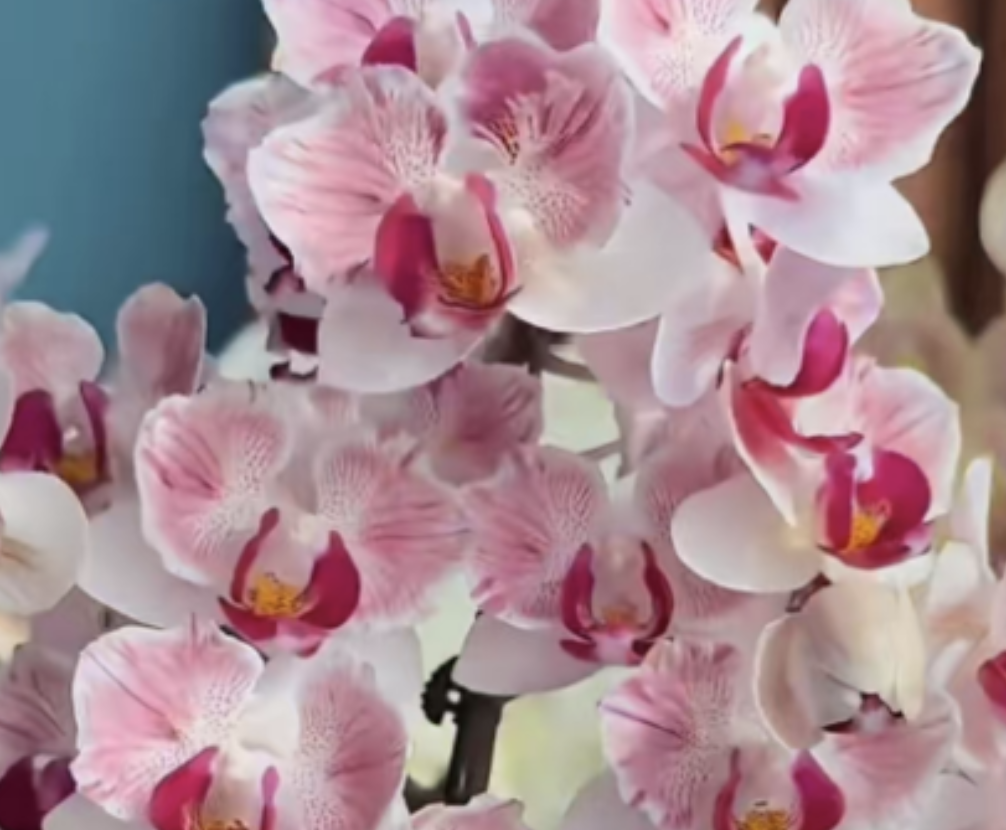
Phalaenopsis Orchid Autumn Care: Choosing the Right Fertilizer and Feeding Strategies
Anyone who grows Phalaenopsis orchids knows that autumn is their critical growth season. During this period, they not only grow new roots and strengthen their
-

Is it hard to grow Phalaenopsis orchids in the north? Choosing the right potting medium is key
Northern gardening enthusiasts often complain: "This delicate thing, the Phalaenopsis orchid, why is it so hard to grow here in the north?" Actually, it's not that Phalaenopsis is "picky about location" - it's mainly that the northern environment differs quite a bit from its native habitat (tropical and subtropical). But with the right methods, you can still grow them well. Growing Phalaenopsis in the north really comes down to two challenges: one
-
Don't throw away a Phalaenopsis orchid with a rotting crown - with the right method you can still save it
I believe many friends who grow Phalaenopsis orchids panic when they see rot appearing in the crown, but in fact, as long as you spot it in time and treat it properly, this "butterfly among flowers" still has a chance to recover. Especially for those growing Phalaenopsis orchids in the office or at home, mastering the correct steps is key, so here are the specific
-

The right way to repot, water and fertilize Phalaenopsis in autumn
After raising a Phalaenopsis for more than half a year, the potting medium seems a bit compacted, and you want to repot it but are afraid of killing it; you are also unsure about watering and fertilizing, afraid of root rot if you give too much and afraid it won't bloom if you give too little. In fact, autumn is exactly the "critical period" for Phalaenopsis. If you find the right methods for repotting, watering and fertilizing, you will see a pot full of flowers by the end of the year. You can absolutely repot a Phalaenopsis in autumn
-

What kind of pot is best for growing Phalaenopsis orchids? Choosing the right pot is key
When choosing a pot for a Phalaenopsis orchid, you need to match its growing habits, take daily care convenience into account, and show a careful attentiveness to the plant. The truly suitable pot is never one fixed style, but a choice that finds a gentle balance between breathability, drainage and beauty. Aerial roots are the Phalaenopsis orchid's most special "
-

A romantic secret lies within the bulbs of the giant allium (Allium giganteum), a striking touch that brightens all four seasons
The first time you see a giant allium in a garden, you are always moved by that "purple firework" rising out of nowhere - slender stems holding up plump flower globes, with sunlight filtering through the translucent petals, blending into a soft yet passionate glow. The story of the giant allium begins with a round, plump bulb. Unlike tulips and hyacinths, which are
条件筛选