-

Detailed Explanation of the Processing and Production Method for Salted Sour Carambola (Starfruit) Brine Preserves
Carambola (starfruit) falls into two major types: one is crisp, clean and sweet, suitable for eating fresh or for processing into carambola juice, carambola in syrup canned goods, and the like. Whether eaten fresh or processed, its quality and flavor are quite good. The other type is extremely sour and astringent, mostly grown in mountainous areas without any special cultivation by people. Because of its strong sourness, this kind of sour carambola is not suitable for eating fresh, but it can serve as a raw material for sugar-preserved products. To store the raw material, it can first be made into a semi-finished salted brine preserve. There are two methods for making the salted brine preserve. One is the brine curing method: prepare a 5-8% salt solution to
-
Detailed Explanation of the Processing Methods and Technical Key Points for Crystal Jujubes
1. Material selection: Choose fresh jujubes harvested at the white-ripe or crisp-ripe stage as the raw material, ones that are free from damage, free from insect borers, free from wrinkles, uniform in size, and moderate in size. 2. Peeling: Add an appropriate amount of 7%-8% alkaline water solution to a pot resistant to alkali corrosion, heat to boiling, pour the fresh jujubes into the pot, and cook while stirring for 3-5 minutes. When the skins turn brown, immediately scoop them into a vat of 6% dilute sulfuric acid aqueous solution for acid-base neutralization for 10-15 minutes. When neutralized to pH 6-7, scoop out the jujubes, wash them clean with water
-
Detailed Explanation of the Processing Technology for Millet and Black Sesame Crispy Slices
(1) Formula: 900 g millet flour, 100 g black sesame, shortening, and seasonings (salt, white sugar, spicy powder, etc.) in appropriate amounts, plus "Texiangsu". (2) Process flow: raw and auxiliary material processing -> measured proportions -> mixing -> dough preparation -> crisping treatment -> sheet pressing -> slicing -> seasoning -> baking -> cooling -> packaging. (3) Key operating points: 1. Raw and auxiliary material processing: select clean, hulled fresh millet, wash it thoroughly with water, then soak for 2-3 hours, air-dry, grind into flour, and pass through an 80-100 mesh
-
What are the processing methods for Renshou sesame cake?
Renshou sesame cake is one of the traditional famous specialty products of the Leshan area in Sichuan. Its characteristics: the cake texture is fine and tender, soft and melting in the mouth, sweet and fragrant with a refreshing taste, and it has a unique flavor. Ingredients formula: sesame powder 7.5 kg, stirred sugar 34.25 kg, cake powder 3.25 kg, cooked flour 5 kg, bean powder 0.25 kg. Production method: 1. Making sesame powder: choose plump sesame seeds, wash them with clean water, remove impurities and sand, take them out and drain the water, then put them in the wok and roast. Roast over low heat until they turn grain-yellow, then take them out, spread them out to cool
-
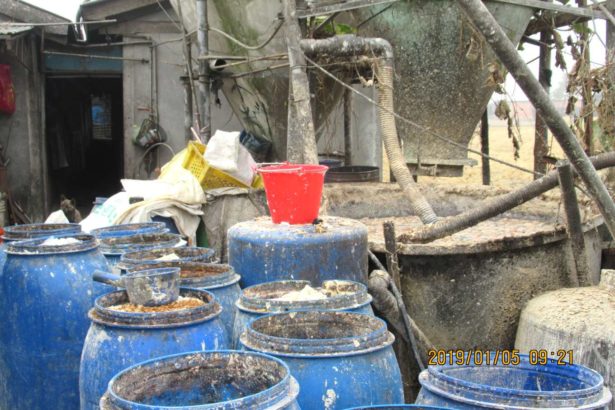
The Importance of Food Waste Sorting and an Analysis of Processing Volume and Generation Volume
The Battle Against Epidemics and Food Waste 11 (Changhua and Chiayi County/City) A Comprehensive Inventory of Food Waste Generation and Processing Capacity Across Taiwan
-
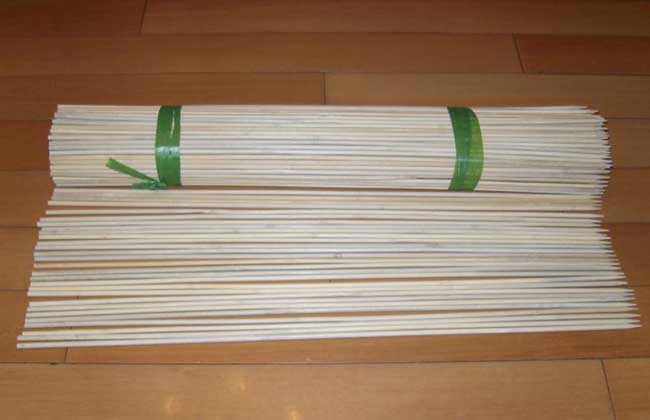
What is the most profitable way to process bamboo? Analysis of high-yield projects
What is the most profitable way to process bamboo?
-
The stubborn daughter-in-law Chen Min grows Chinese medicinal herbs, sets up a processing factory, and leads the villagers to prosperity
The "stubborn daughter-in-law" Chen Min grows Chinese medicinal herbs, sets up a processing factory, and leads the villagers to prosperity
-
Rice prices are falling: is there an opportunity for processing companies?
Rice prices are falling: is there an opportunity for processing companies?
-
In the process of converting agricultural households to urban resident status, farmers' rights and interests can only increase, never decrease
"Converting agricultural households to urban resident status": farmers' rights and interests can only increase, never decrease
-
Detailed Explanation of the Processing Technology for Dry-Packed Salted Almond Canned Goods
(1) Process flow: Raw material acceptance → sorting → cleaning → peeling → rinsing → color protection → pre-boiling → soaking → re-boiling → grading → seasoning mixing → canning → exhausting → sealing → inspection → sterilization → cooling (2) Description of operating points (1) Raw material acceptance: Use fresh, plump, dry almonds with white kernel flesh, free from insect damage, mold, and foreign matter. (2) Sorting: Remove insect-damaged, moldy, shriveled, broken and other substandard kernels and foreign matter. (3) Cleaning: Put the
条件筛选