-
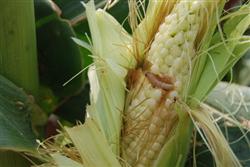
What are the control methods for corn borers?
How to control corn borers? Please explain the methods. Corn borers (corn borer) are a major pest of corn. In years with severe infestation, they can reduce corn yields by more than 20%. Their larvae bore into the main stalk and ears, which can break the main stalk of corn, causing reduced yield and quality. In the past, controlling corn borers mostly used methods such as pouring pesticide solution into the whorl, spraying, or applying poisoned soil into the whorl, which was labor-intensive and ineffective, and easily caused crop damage and human and livestock poisoning. Using granule formulations to control corn borers not only has low cost, saves labor, and is effective, but also is unlikely to cause human and livestock poisoning or crop damage. The following points should be mastered:
-
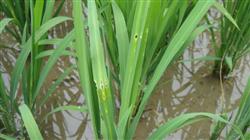
What are the control methods for rice stem borers?
What methods are there to control rice stem borers? Please provide an introduction. The following methods can be used to control rice stem borers: 1. Eliminate overwintering insect sources: Through plowing for planting or shallow rotary tillage to remove stubble, reduce the amount of residual rice stubble, clean up rice straw, and remove wild rice stems and weeds along field edges and ditches, to reduce insect sources, destroy the overwintering sites of stem borers, and lower their overwintering survival rate.
-
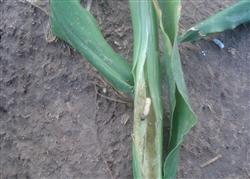
What are the control methods for the ginger stem borer?
What methods are there to control the ginger stem borer? Please describe the methods. When ginger grows to about 20 cm, the first generation of stem borers begins to cause damage. The newly hatched larvae first damage the tender leaves, and by the 3rd instar they begin to bore into the stems, mostly entering at the 2nd to 3rd nodes, often causing the central leaves to wilt or the whole plant to die. The second generation of stem borers mostly bores into the stems from the middle and upper parts...
-
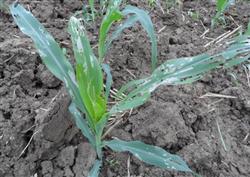
What are the control methods for the small brown planthopper on corn?
How to control the small brown planthopper on corn? Please explain the methods. When the small brown planthopper breaks out in corn fields, frequent and heavy applications of pesticides are usually required to bring the population under control. In recent years, accidents of phytotoxicity to corn caused by improper pesticide use have occurred frequently in production. Therefore, safe pesticide use should be paid attention to when controlling the small brown planthopper....
-

How to make Pilea peperomioides cuttings root quickly in water? Master these methods
Temperature: give it a growing environment of 18-30°C; the temperature should not be too high or too low. Light: if you use a transparent hydroponic container, shade it from light, and place it in a bright, indirect light environment. Fertilizer: the fertilizer in the water should be relatively sparse; too much fertilizer will inhibit the emergence of new roots.
-

The correct method and steps for pinching out the growing tips of a Peperomia obtusifolia
When pinching out a Peperomia obtusifolia, mainly choose tender shoots, and remove the top tip before the new buds have grown out. You can use scissors or a blade, or simply pinch it off with your fingers. After the apical dominance is broken, nutrients will be transferred from the top to the lower leaf buds. The plant will then grow more compactly, low and dense, and its ornamental effect will also be better.
-

How to extend the jasmine flowering period? These methods make the flowers last longer
To extend the jasmine flowering period, you should strengthen water and fertilizer management during the peak flowering period, applying light fertilizer frequently. Give it plenty of sunlight, and you can place it on a balcony for care. You should also promptly prune away spent flowers and thin, weak branches during the flowering period, pinch off the tips of new branches when they form buds, and properly supplement phosphorus and potassium fertilizer before flower bud differentiation, which helps it bloom.
-
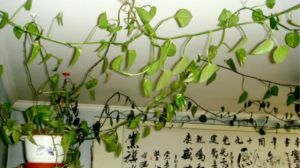
How do you grow pothos so it climbs the wall? Master these care methods
If you want pothos to climb a wall, the first thing you need is for it to be sufficiently lush and leafy. You can help it grow more vigorously by appropriately increasing the frequency of watering and fertilizing. Once its vines are long enough, you can place the pot next to the wall, then use your hands to guide its vines so they cling tightly to the wall and arrange them in the effect you want, then fix them in place with clear tape.
-
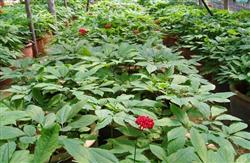
What are the management methods for ginseng in autumn, winter and spring?
How should ginseng be managed in autumn, winter and spring? Please explain the methods. Autumn, winter and spring are the overwintering dormancy period for ginseng, and field management during this stage is an important production step that cannot be ignored. The main tasks are cold protection and moisture conservation, and the key management points are: sealing the beds in autumn, allowing snow cover in winter, and digging drainage ditches in spring. Applying cold-protection soil in autumn...
-
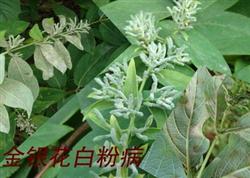
What are the common pests and diseases of honeysuckle (Japanese honeysuckle) and their control methods?
What pests and diseases need to be controlled when growing honeysuckle? Please provide an introduction and guidance on control methods. The main diseases controlled in honeysuckle cultivation are powdery mildew and leaf spot, and the main pest is aphids, etc. The control methods can refer to the following: (1) Powdery mildew. Powdery mildew is the main disease of honeysuckle, mainly harming the leaves and tender stems...
条件筛选