-
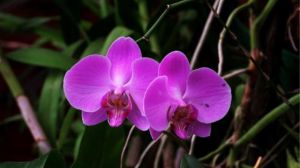
The Correct Method and Detailed Steps for Repotting Phalaenopsis Orchids
First, prepare a new pot and new soil for the Phalaenopsis orchid, and do not water it for a few days before repotting. When repotting, first use a small shovel to gently loosen the soil around the plant, then take the plant out. Shake off the surface soil, then place it into the pot filled with new soil, fill in soil and firm it down. After repotting, place it in a ventilated spot and pause fertilizing.
-
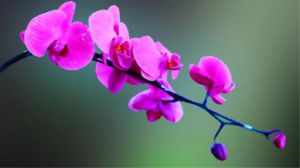
How to Prune a Phalaenopsis Orchid? A Detailed Guide to the Correct Pruning Method
Flower-promoting pruning: After the phalaenopsis orchid's flowers fade, cut off all the weak, withered branches and any branches that might set seed, then cut each flower spike at the point where it began blooming or where it first branched. Maintenance pruning: After the flowers fade, cut the flower stem all the way down to the base, keeping only the main stem.
-

How to handle a Phalaenopsis orchid after the flowers fade? I'll teach you the correct care method
After a Phalaenopsis orchid finishes blooming, you need to use pruning methods to help it bloom again or to help it grow more healthily. In addition, if it is a plant you have kept for many years, you need to take it out, prune the roots a little, and then replant it in fresh soil. After changing the soil, pause fertilizing, keep the soil slightly moist, and then place it in a well-ventilated spot to grow.
-
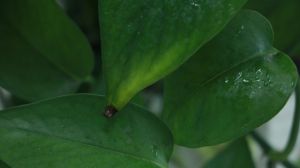
Can pothos be given compound fertilizer? A guide to the correct method of use
When growing pothos, you can apply compound fertilizer to it, because this kind of fertilizer has no unpleasant odor and has good fertilizer efficiency, able to meet the nutrients the plant needs for growth. The time of application is generally in the spring and summer growing season, and the type is best chosen as a nitrogen-potassium compound fertilizer. In addition, note that you must not apply too much fertilizer at one time.
-
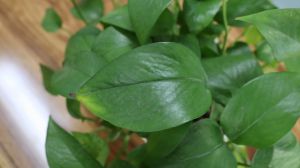
What fertilizer does pothos need? A detailed guide to the correct fertilizing method
The main elements pothos needs for growth are nitrogen and potassium. When fertilizing it, nitrogen fertilizer should be the main choice, with potassium fertilizer as a supplement. Specifically, you can apply fertilizers made specially for pothos available on the market, or you can apply fermented and diluted rice water.
-
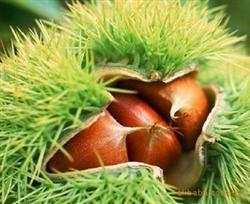
What are the methods to prevent empty burrs in chestnuts?
How do you prevent empty burrs in chestnuts? Please explain the methods. Apart from varietal characteristics, the main causes of empty burrs in chestnuts are nutritional deficiency or boron deficiency. The comprehensive control measures are as follows: 1. Improve varieties: For inferior seedling trees of mountain chestnuts with a high rate of empty burrs and low yields, top-graft them to change the variety. ...
-
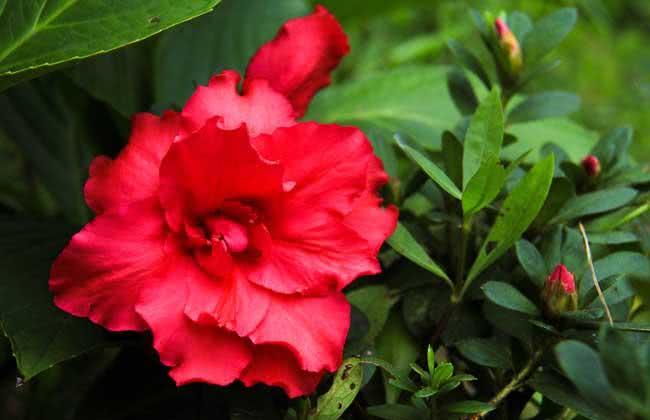
What are the cultivation methods for the four-season azalea?
The four-season azalea is a variety of the evergreen or semi-evergreen shrub azalea of the genus Rhododendron in the family Ericaceae, also known as the Belgian azalea. Its petals are narrow and long, the filaments are red, and the anthers are golden yellow. It blooms continuously throughout the four seasons and is an excellent flowering ornamental plant, suitable for mass planting or pot...
-
What are the effective methods for ensuring flower and fruit retention in pumpkins?
What methods can ensure flower and fruit retention in pumpkins? Please explain. If too much nitrogen fertilizer is applied in the early growth stage of pumpkins, the plants tend to grow excessively, causing flower and fruit drop, and it becomes impossible to ensure uniform fruit set and the final product quality. Therefore, the amount of nitrogen fertilizer used should be controlled, and the proportion of phosphorus and potassium fertilizers should be appropriately increased. When needed,...
-
What are the methods for preventing and treating pumpkin fruit abortion?
What methods can prevent and treat pumpkin fruit abortion? Please advise. The phenomenon in which a pumpkin dies after growing to about the size of a fist is called fruit abortion. The main causes of pumpkin fruit abortion are: (1) Recently excessively high temperatures are unfavorable for pumpkin fruit set and fruit enlargement, causing fruit abortion. (2) Too much fertilizer and water, especially after pumpkin harvest, and when pruning cannot keep up, often causes the pumpkin vines to grow excessively, leading to spindly overgrowth of the plants, which easily causes fruit abortion.
-
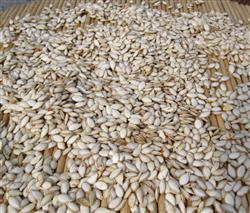
The correct method for harvesting and sun-drying pumpkin seeds
How are pumpkin seeds harvested and sun-dried? Here are the following methods for harvesting and sun-drying pumpkin seeds for reference: 1. Harvesting the pumpkins. Harvest in batches according to the ripeness of the pumpkins, and stack them in batches. 2. After-ripening. The after-ripening of pumpkins is very important for promoting plump seeds and increasing the yield and quality of white pumpkin seeds. Larger pumpkins with better ripeness...
条件筛选