-

Planting techniques and cultivation management key points for the Chinese medicinal herb Wu Zhuyu (Evodia rutaecarpa)
Wu Zhuyu (Evodia rutaecarpa) is a bitter stomachic and analgesic, also known as Wu Yu, Cha La, Qi La Zi, Chou La Zi Shu, Mi La Zi, etc. It is a small tree or shrub of the genus Evodia in the Rutaceae family, cultivated to a small or large extent throughout areas south of the Qinling Mountains, growing in open forests or thickets from flat ground up to 1500 m elevation in mountainous areas, mostly on sunny slopes
-
Planting techniques and cultivation management key points for the Chinese medicinal herb Asparagus cochinchinensis
Asparagus cochinchinensis is also known as Sanbaibang, Sidong, Laohuweibagen, Tiandongcao and so on. It is a perennial herbaceous plant of the genus Asparagus in the Liliaceae family. It mostly grows in shady and damp places at the edges of mountain forests, in shrub thickets on hilly land, or in hillside grass clumps. It is distributed in Hebei, Henan, Shaanxi, Shanxi, Gansu, Sichuan, Taiwan, China, Guizhou and other places
-
Cultivation Methods and Planting Techniques for the Medicinal Plant Hollyhock
Hollyhock, also known as Yizhanghong, Dashuji, Rongkui, Wukui, Doupenghua, etc., is a biennial erect herbaceous plant of the genus Althaea in the family Malvaceae. It originated in Sichuan, China, and is now widely distributed throughout China. Its tender leaves and flowers are edible, its bark provides high-quality fiber, and the whole plant is used as medicine. It has the effects of clearing heat and detoxifying, relieving cough and promoting diuresis. The root can be used as a lubricant.
-
Detailed Explanation of Purple Loosestrife Planting Methods and Cultivation Management Techniques
Purple loosestrife, also known as water willow, swamp willow, opposite-leaf lotus, etc., is a perennial herbaceous plant of the genus Lythrum in the family Lythraceae. It is best planted in clumps along shallow water banks or in ponds, and can also be used as flower border material and cut flowers, for pot cultivation or bog gardens. As a medicinal herb it has functions such as clearing heat and cooling blood, and also has the effect of lowering blood sugar
-
How to Grow Sea Buckthorn? A Detailed Guide to Chinese Medicinal Herb Cultivation Techniques
Sea buckthorn, also known as vinegar willow, yellow sour thorn, and sour thorn willow, is a deciduous shrub in the genus Hippophae of the family Elaeagnaceae. It has extremely high cultivation value, is drought-tolerant and resistant to wind and sand, can survive on salinized land, and is widely used for soil and water conservation. Large quantities of sea buckthorn are planted in northwestern China for desert greening. Its fruit has a high vitamin C content.
-

How to achieve high yields with zucchini? Detailed explanation of key cultivation techniques
High-yield cultivation techniques for zucchini
-

How to fertilize chives for high yield? Key practical fertilization techniques
High-yield fertilization techniques for chives
-

-
How to graft roses? A detailed explanation of three grafting techniques
The survival rate of rose grafting is greatly affected by the grafting period. The best grafting period is from early September to mid-October, when the survival rate is highest. The temperature at the time of grafting is best between 1825°C, and grafting should be done on a sunny day without rain. For rose grafting, different grafting methods show great differences in survival rate
-
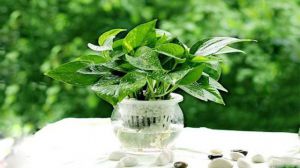
How to Grow Anthurium More Vigorously? A Complete Guide to Care Techniques
To grow Anthurium more vigorously, provide it with suitable light, but avoid direct exposure to high temperatures and strong sun; keep the potting soil moist, but never let water accumulate. It is best to fertilize once every half month, in the morning or evening. Keep the soil slightly acidic to favor its growth. In addition, remember never to clear away the aerial roots.
条件筛选