-
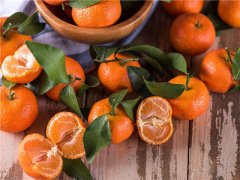
Difference between sugar mandarin and Wogan, which tastes better, Wogan or sugar mandarin, does sugar mandarin cause excess internal heat
The hottest citrus fruits on the market right now are sugar mandarins and Wogan, so do you know how to tell these two fruits apart? Which of the two tastes better? Let's take a look together. Difference between sugar mandarin and Wogan: First, storage
-
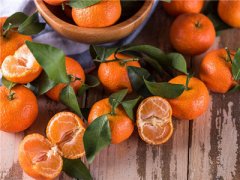
The difference between sugar mandarins and Orah mandarins, and will you gain weight from eating too many sugar mandarins
Orah and sugar mandarins are two relatively popular fruits right now. Do you like eating them too? So which of these two fruits do you prefer? I prefer sugar mandarins, because their taste is sweeter than Orah. So what is the difference between these two fruits? What happens if you eat too
-

What treatment makes the peel of shatangju (sugar mandarin) shiny?
Shatangju, also known as the October tangerine. Its color ranges from orange-yellow to orange-red, with a thin peel that comes off easily. Below is an introduction to what treatment makes the peel of shatangju shiny. 1. What treatment makes the peel of shatangju shiny. Applying Zhuangguodiling to shatangju can make the peel color bright and beautiful, the fruit shape attractive, and the taste excellent; it also prevents flower drop, fruit drop, fruit cracking, stiff fruit, and deformed fruit.
-
How to grow seedless sugar mandarins
Buy high-quality seedless sugar mandarin saplings or seeds from the market and plant them. The soil should be loose, fertile and well-drained, with a pH of 5.5-6.5. Choose seedlings about 50 cm tall with a well-developed, intact root system and no pests or diseases, and plant them at a suitable spacing. After the saplings
-
How many years does it generally take for a sugar mandarin to bear fruit?
The sugar mandarin is a small type of orange with flat-round fruit, skin ranging from orange-yellow to orange-red, thin and easy-to-peel rind, and a sweet, fiber-free taste that many people love. So, how many years does a sugar mandarin take to bear fruit? 1. How many years does a sugar mandarin take to bear fruit? A sugar mandarin generally bears fruit after 3 years of planting.
-
How Many Years Until a Sugar Mandarin Bears Fruit
The sugar mandarin fruit is oblate, orange-yellow in color, with a thin rind that peels easily. Its taste is sweet and sour, and its nature is warm; it has effects such as regulating qi and resolving phlegm, moistening the lungs and clearing the intestines, and nourishing the blood and strengthening the spleen. Do you know how many years it takes for a sugar mandarin to bear fruit? 1. How many years until a sugar mandarin bears fruit. Sugar mandarin trees generally
-
When do sugar mandarins generally ripen and hit the market?
Summary Around December each year, sugar mandarins can be sold on the market. Sugar mandarins are mostly grown in places such as Sihui, Guangning, Yunfu, Qingyuan, and Nansheng in our country. The flesh has a delicate, fresh and sweet taste, with no residue in the texture, and is loved by many consumers. The number of sugar mandarins eaten per day
-
What is a suitable planting distance for mandarin oranges (sugar tangerines)?
Abstract: To increase the yield of sugar tangerines, it is best to plant them using a dwarfed, high-density method. In paddy fields and dry land, the planting density should be controlled at about 200-300 plants per mu, with a plant-to-row spacing of about 1.5 m. For mountain planting, the density should be controlled at about 100 plants per mu, with a plant-to-row spacing of 2
-
In which regions is the sugar mandarin suitable for growing?
Summary In China, the regions suitable for growing sugar mandarins (sugar tangerines) include Sichuan, Chongqing, Guizhou, Yunnan, Hunan, Hubei, Guangdong, Guangxi, Zhejiang, Jiangxi and other places, and among them Guangxi and Guangdong grow the most sugar mandarins, because the temperature, sunshine,
-
Detailed Steps for Establishing a Sugar Mandarin Nursery
1. Site selection The nursery for sugar mandarin should be established on flat land, gentle slopes, or fields with convenient irrigation and drainage that have convenient transportation, are far from pest and disease epidemic areas (at least 3000 m away from old citrus orchards and citrus huanglongbing orchards), are sheltered from the wind and facing the sun, have sufficient water sources, open terrain, deep topsoil, and a low groundwater table
条件筛选