-
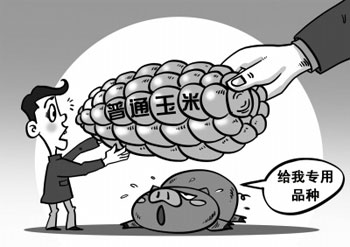
Special-purpose corn sells well, variety structure adjustment trends toward specialization
Special-purpose corn sells well; all-purpose varieties adjusted into specialized ones
-
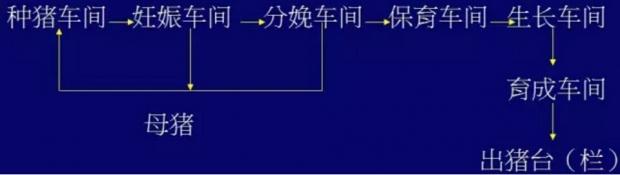
Design Concept and Pig Herd Structure for a 10,000-Head Pig Farm
Design Concept and Pig Herd Structure for a 10,000-Head Pig Farm
-

Chengde, Hebei adjusts its planting structure: reduction matters more, but development matters even more
Chengde adjusts its planting structure, emphasizing both "reduction" and, even more, development
-
Major changes have occurred in the variety structure of grain supply and demand
Major changes have occurred in the variety structure of grain supply and demand
-
Adjusting the agricultural industrial structure must follow the three dos and three don'ts
Adjusting the agricultural industrial structure should follow the three dos and three don'ts
-
After corn acreage was reduced, what did agricultural structure adjustment increase the planting of?
Agricultural structure adjustment: corn reduced, what increased?
-
Industrial structure upgrading must not neglect food security
Industrial structure upgrading should also pay attention to food security
-
Introduction to the Root Characteristics and Structure of Soybean
The root system of soybean is a taproot system. It is divided into a main root and lateral roots, and both the main root and the lateral roots are densely covered with root hairs. The main part of the root lies 5-20 cm deep in the soil, and the whole root system is roughly bell-shaped. On soybean roots, rhizobia live in symbiosis with the soybean. When the soybean germinates, the rhizobia invade the root, and when the soybean grows its first compound leaf, root nodules have formed on the soybean roots, first on the main root and then gradually spreading to the lateral roots. The root nodules are produced through the action of rod-shaped rhizobia that have 1-2 flagella at one end. They are aerobic bacteria, mainly growing on the root system near the soil surface
-
Selection and Training Methods for Peach Orchard Tree Structure
In northern China, peach cultivation is mainly based on the three-main-branch cup-shaped open-center form, with each main branch usually bearing 1 or 3 large secondary branches, at a height varying from 30-70 cm, scaffold branch angles of 30-80°, and tree height varying from 2-4 m; planting methods are also not uniform. Overall, there is a lack of relatively appropriate standards. In recent years, the author investigated peach orchards in Pinggu and in Mancheng, Laoting, and other places in Hebei, and offers the following views on peach orchard tree structure for reference. 1 Selection of peach orchard tree structure 1.1 Planting method
-
How Fish Bone Structure Affects Boneless Fillet Processing Technology
Different fish species have different fish bone structures, which directly affect the thawing, deboning, and filleting processes in boneless fillet processing. This article classifies various fish in actual production according to fish bone structure, and discusses the optimal deboning, filleting, and thawing processes for each type of fish, providing reference for actual production. I. Classification of Fish Bone Structure 1. Vertebral spine type (1) Fish with longitudinal fish bones connected to the spine: This type accounts for the majority, and currently common ones in aquatic product production and processing include redfish, flounder, red drum, tilapia
条件筛选