-

How to carry out emergency prevention and control of swine streptococcosis? Interpretation of the technical specification
Swine streptococcosis is a zoonotic disease caused by hemolytic Streptococcus, and it is a Class II animal disease as stipulated in China. To guide the prevention and control of swine streptococcosis in all regions and protect the development of the livestock industry and human health and safety, in accordance with the
-
Prevention and Treatment of Piroplasmosis and Streptococcus Disease in Sheep Farming
Every year in August and September, as the climate shifts from high temperature and high humidity to cool, crisp weather, sheep adjust their bodily state accordingly to adapt to environmental changes. At this time, their resistance declines, making them highly susceptible to piroplasmosis and streptococcus disease, which seriously endanger sheep health. Based on a clinical case, the following discusses
-
What are the symptoms of streptococcosis in chickens? Detailed explanation of prevention and treatment methods
Streptococcosis in chickens is an acute septicemic or chronic infectious disease of chickens. Both chicks and adult chickens can be infected, and it mostly occurs as an endemic. It is characterized by lethargy, persistent diarrhea, lameness and paralysis, and sometimes neurological symptoms. Cases in chickens, ducks, geese and pigeons have been reported in China.
-
How to identify Streptococcus suis infection? What are the prevention and treatment methods and treatment options?
Streptococcus suis is a Gram-positive coccus with a capsule, and some strains can cause human infection. So how should it be identified? What are the prevention and treatment methods and treatment options? It is understood that this disease can be divided into three types: swine septicemic streptococcosis (i.e.
-
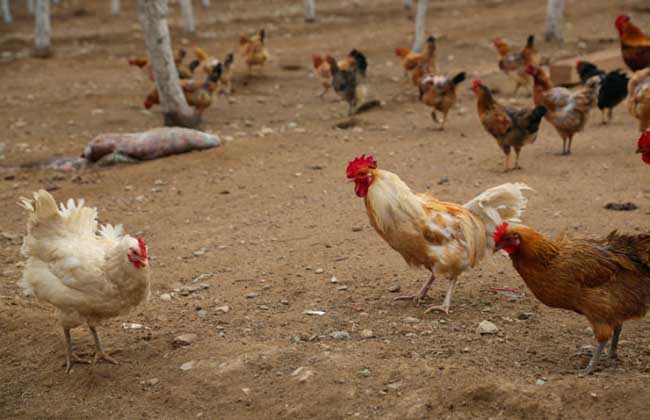
Symptoms and Prevention and Treatment of Streptococcus Infection in Chickens
Symptoms and Prevention and Treatment of Streptococcus Infection in Chickens
-

Detailed Explanation of Prevention and Treatment Methods for Streptococcus suis Disease, Pig Farmers Should Save This
Prevention and Treatment Methods for Streptococcus suis Disease
-
What kind of bacterium is Streptococcus suis? Understanding the characteristics of this pathogen
Streptococcus suis belongs to the genus Streptococcus. The cells are round or oval, less than 2.0 mm in diameter, generally arranged in chains or in pairs, and stain Gram-positive. The colonies are small, grayish-white and translucent. Most pathogenic strains are capable of hemolysis. Streptococcus suis has 35 serotypes (1-34, 1/2) as well as some untypeable strains. Among them, the four serotypes 1, 2, 7 and 9 are highly pathogenic. Muramidase-released protein (MRP) and extracellular factor (EF) are
-
How to prevent and control Streptococcus suis? Knowledge Q&A Part 3
Q: Can humans be infected with Streptococcus suis disease, and how can it be prevented? A: Humans can indeed be infected with pathogenic Streptococcus suis. Streptococcus suis type 2 can cause meningitis, septicemia, endocarditis, and even death in humans. Looking at the routes of human infection with Streptococcus suis disease, a fact of great warning significance is that all infected patients had contact with sick pigs or dead pigs, and most patients had wounds on their hands or other body parts. It is not the case that anyone who slaughters or washes pork will become infected with Streptococcus suis and develop the disease. This
-
What are the prevention and control measures for human infection with Streptococcus suis?
The main measure to control severe human-pig Streptococcus suis infection is to control the swine epidemic; without a swine epidemic there is no human infection. Banning the slaughter of sick and dead pigs and strengthening personal protection for butchers and others are also very necessary. Health education: through publicity and education, make pig slaughtering and processing personnel aware of the dangers of contact with sick and dead pigs, and require them to protect themselves properly; improve the ability of pig farmers, butchers and others to identify pig diseases and diseased pork. Pig farmers are required to proactively report sick pig epidemics; dead pigs should be deep-buried on site or burned, and it is forbidden to throw them into rivers, ditches, ponds and other water bodies. The public should not
-
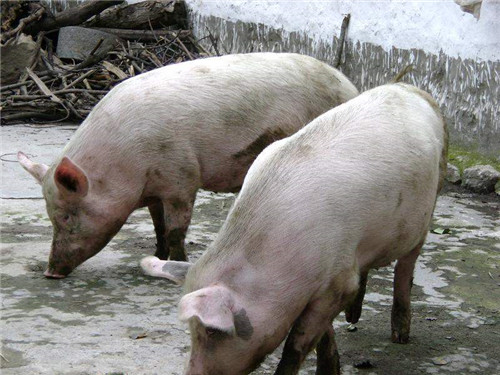
Streptococcus suis outbreaks on pig farms? Mostly because pig farmers overlooked these small details
When Streptococcus suis appears on a pig farm, it is more often because pig farmers did not pay attention to these small details
条件筛选