Symptoms and Prevention and Treatment of Streptococcus Infection in Chickens
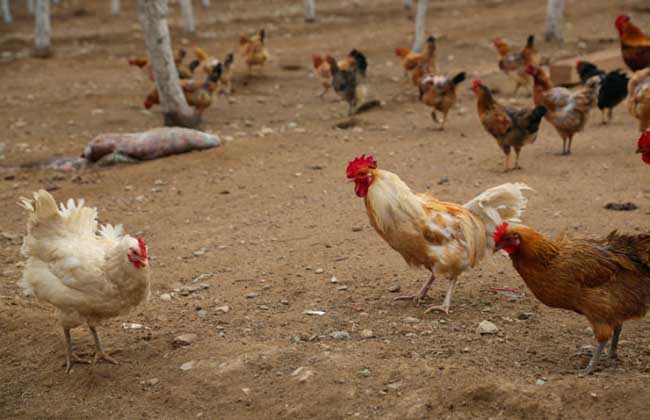
Streptococcus infection in chickens is an acute septicemic or chronic infectious disease of chickens. Both chicks and adult chickens can be infected. It is mostly enzootic. Its characteristics are lethargy, persistent diarrhea, lameness and paralysis, and sometimes neurological symptoms. Cases in chickens, ducks, geese and pigeons have been reported in China, causing a considerable number of deaths among sick birds and resulting in relatively large economic losses. Let us take a look below at the symptoms and prevention and treatment of Streptococcus infection in chickens.
Symptoms of Streptococcus Infection in Chickens
1. Acute type: manifests as septicemic symptoms. Sudden onset; sick birds are listless, drowsy or in a lethargic state; appetite decreases or is lost; feathers are ruffled and lack luster; the comb and wattles turn purple or pale, and sometimes swelling of the wattles is also seen. Sick chickens have diarrhea, passing pale yellow or grayish-green loose droppings. Egg production in adult birds decreases or stops. The acute course is 1 to 5 days.
2. Chronic type: the course is relatively slow; sick birds are in poor spirits, have reduced appetite, are drowsy, and in severe cases are lethargic, prefer to squat, and tuck the head under the wings or into the feathers on the back. Body weight decreases, emaciation, lameness, head trembling, or lying on the back with the beak facing upward; some sick chickens have mild paralysis of the legs and cannot stand up. Some sick chickens develop ophthalmia and keratitis. The conjunctiva becomes inflamed, swollen, and watery, with fibrinous inflammation covered by a layer of fibrinous membrane. Severe cases can cause blindness.
Necropsy Features of Streptococcus Infection in Chickens
1. Acute: subcutaneous and serosal muscle edema, fibrinous pericarditis, yolk peritonitis, catarrhal enteritis. Enlargement of the liver, spleen, and kidneys, with hemorrhagic spots and necrosis. Pulmonary congestion or edema. Air sacs cloudy and thickened.
2. Chronic: fibrinous pericarditis, perihepatitis. Parenchymal organs (myocardium, liver, spleen) have inflammation, degeneration, or infarction. There is tenosynovitis, fibrinous arthritis, salpingitis, and yolk peritonitis. Sick birds are highly emaciated, and abscesses form between the mandibles.
3. Young birds: poor yolk absorption, swollen and soft liver, yellow-brown, enlarged gallbladder, hemorrhage in the cecal tonsils, fibrinous pericarditis, and meningeal congestion and hemorrhage.
Prevention and Treatment Methods for Streptococcus Infection in Chickens
1. Prevention: In prevention, the main measures are to strengthen feeding management, reduce all stress factors, enhance the immunity of the chickens, and strengthen hygiene and disinfection management. Using formaldehyde to disinfect the hatchery room can greatly reduce the occurrence of Streptococcus infection.
2. Treatment: For chickens with acute and subacute infection, drugs such as penicillin, gentamicin, tetracycline, and oxytetracycline can be selected. It is reported that enrofloxacin has a very good therapeutic effect on Streptococcus infection. Because Streptococcus can also develop drug resistance, it is best to use medication based on the results of drug sensitivity testing.
Differential Diagnosis of Streptococcus Infection in Chickens
1. Colibacillosis: symptoms and lesions are diverse (chick encephalitis, yolk peritonitis, airsacculitis, arthritis, ophthalmia, Escherichia coli granuloma, septicemia, etc.). Microscopic examination shows Gram-negative, non-spore-forming small bacilli with peritrichous flagella and bluntly rounded ends.
2. Avian paratyphoid: sick chickens increase water intake, pass white watery droppings, fear cold and prefer to stay near heat sources. Necropsy shows striped hemorrhagic spots or pinpoint-sized necrotic foci in the liver, spleen, and kidneys, hemorrhagic inflammation of the small intestine, and microscopic examination shows Gram-negative, slender bacilli with slightly rounded ends.
3. Staphylococcosis: obvious trauma infection, lameness (tarsal and metatarsal arthritis), and a large amount of purplish-black blood-like exudate or purplish-red gelatinous material under the skin of the chest and abdomen ("big navel"). Microscopic examination shows Gram-positive cocci clustered in grape-like bunches.
4. Fowl cholera: the comb and wattles of sick chickens are dark purple. Necropsy shows hemorrhage in the coronary fat and epicardium, and many grayish-white small necrotic points on the surface of the liver. Microscopic examination shows Gram-negative, bipolar-staining, round small bacilli.