-
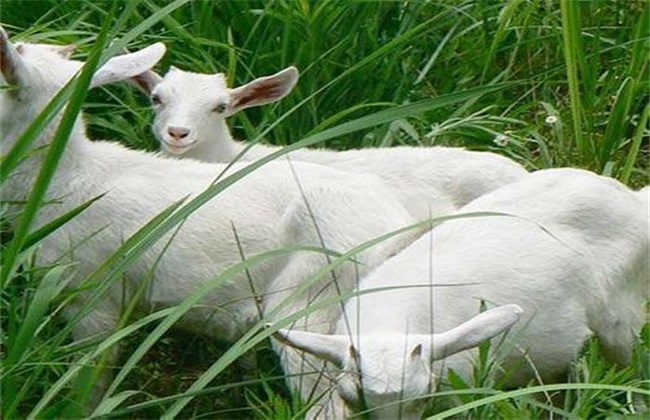
How Many Sheep Can One Acre of Land Raise? An Analysis of Reasonable Stocking Density
How Many Sheep to Raise Per Acre of Land
-
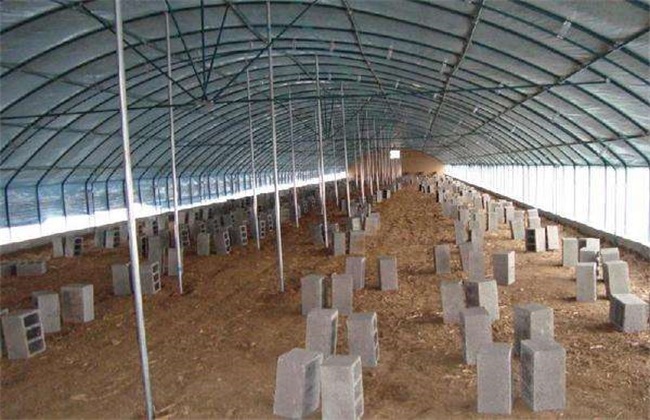
How many ducks can be raised in a one-mu greenhouse? Reference for reasonable stocking density
How many ducks can be raised in a one-mu greenhouse
-

Key Technical Points for Stocking Seed Stock in Rice-Field Farming of Red Swamp Crayfish
There are several stocking methods for farming red swamp crayfish in rice fields. 1. After rice transplanting, from June to early July, when the seedlings turn green and begin tillering, release juvenile crayfish, and the rice and crayfish grow together...
-

Artificial Stocking and Farming Techniques for Chinese Mitten Crabs in River Channels
Generally, river crabs are farmed in ponds. This requires escape-prevention facilities and the feeding of artificial bait, resulting in relatively high costs. Using river channel resources for artificial stocking of river crabs...
-

What to pay attention to when stocking fish fry in reservoirs in winter
Every winter is the golden season for stocking fish species such as silver carp, bighead carp, grass carp, and black carp into reservoirs. But quite a few fish farmers report that within 2 to 7 days after stocking the fry, large numbers of dead fish and swimming sick fish appear on the surface of the reservoir water; these fish lose their luster and their body surface mucus increases. Based on the above symptoms, it can be inferred that the fish have contracted a typical case of "acclimation sickness." This disease is mainly caused by a drastic change in water temperature, in which the nerve endings in the fish skin are strongly stimulated, causing dysfunction of the internal organs, and its death
-
Detailed Explanation of Key Points for Fish Fry Stocking: Do Not Overlook These Critical Points
For newly built ponds, soak in water for 1~2 days, then disinfect. Old ponds must be drained, thoroughly cleared of sludge and weeds, and treated by tilling, sun exposure, and rinsing to promote the oxidation, decomposition, and removal of organic matter, followed by disinfection. Commonly used disinfectants include quicklime, bleaching powder, and sodium dichloroisocyanurate. The disinfection method generally involves first filling the culture pond with 10~30 cm of water, dissolving the disinfectant in water, and splashing it into the pond. Cement ponds should be rinsed multiple times with the medicated solution, then rinsed with clean water. For example, one enterprise culturing whiteleg shrimp (Litopenaeus vannamei) performs disinfection 15
-
Precautions for Spring Transport and Stocking of Fish Fry
Spring returns to the earth, water temperatures gradually rise, and it is once again the best time of year for transporting aquatic fry and fingerlings. During this period, because water temperatures are relatively low, fish are less active, and at the same time their bodies are firm and scales tight, so they are less likely to be injured during transport, which can increase the survival rate of spring stocking of fingerlings. There are many precautions in the spring transport and spring stocking of fingerlings, and fishermen friends are reminded to pay attention to them. 1. Pond disinfection should be carried out after removing excess sludge from the pond, reinforcing the pond embankment, and clearing the inlet and drainage ditches. Generally, for a dry pond, use about 200kg of quicklime per mu, slake it into a slurry, and
-
Detailed Explanation of Key Technical Points for Stocking Icefish in Reservoirs
For the selection of stocking sites, choose as far as possible reservoir bays that are at a certain distance from the shore, with a water depth of about 2 m, a hard mud-sand or gravel substrate, and relatively abundant small prey organisms such as insects, and select several stocking sites at the same time for multi-point stocking, so as to avoid failure caused by improper stocking at a single point. Method for stocking fish eggs: when the fertilized eggs arrive at the destination, first place the nylon bag containing the fertilized eggs into the water, and when the water temperature inside the bag and the reservoir water temperature are basically the same (temperature difference less than 3°C), slowly and evenly scatter the fertilized eggs into the water; each release point should have a certain range
-
Fish stocking should be arranged reasonably according to water body conditions.
During a "science and technology to the countryside" activity, the author learned that many fish farmers have had unsatisfactory yields and profits over the years in pond fish farming. The main reasons are that the fish stocked were not reasonably matched according to the feeding habits and behaviors of the fish, the varieties stocked were single, the quantities were too high or too low, and the sizes were small. This situation exists to some extent all over the country. The end of the year and the beginning of the year is the season when large quantities of fish are stocked in various places. In order to make full use of the water body, stock fish reasonably, and increase the yield per unit area of the water body, the key points for reasonably stocking fish according to local water conditions are as follows.
-
Five Steps for Stocking Brood Shrimp in Rice-Shrimp Rotation Explained
Now is the golden time for stocking brood shrimp. Farmers should pay attention to the following points when stocking brood shrimp: 1. Carry out basic rice field renovation, mainly by digging perimeter ditches, reinforcing embankments, building water inlet and drainage systems, and setting up anti-escape facilities. 2. Disinfect the perimeter ditches well, preferably by spreading quicklime throughout, with a dosage of 100 jin per mu, and stock brood shrimp one week later. 3. Select good brood shrimp and stock them reasonably. Choose sexually mature, healthy individuals with complete appendages, and stock them at a female-to-male ratio of 3:1. Stock 15-20 kg of brood shrimp per mu. In rice fields that have been used for farming before
条件筛选