How many ducks can be raised in a one-mu greenhouse? Reference for reasonable stocking density
When raising ducks, sometimes the space is limited, and sometimes the environment is limited. So you need to calculate how many ducks can be raised in the available space; this is the most accurate and easy way to calculate the benefits. Other times the space is too large, and this is the only way to estimate the approximate overall benefits. So if you want to know how many ducks can be raised in one mu of land, you need to look at the following analysis.
1. Number to raise
The number of ducks to raise varies with their size. For example, one-week-old ducks can be raised at 20 per square meter, which is about 13,320 per mu; two-week-old ducks at about 10 per square meter, which is about 6,660 per mu; three-week-old ducks at about 7 per square meter, which is about 4,662 per mu. For grown ducks, it is generally about 500 per mu. It may be a little more or a little less; generally, it is best if there is still one-third of the space left after all the ducks have gathered.
2. Greenhouse construction
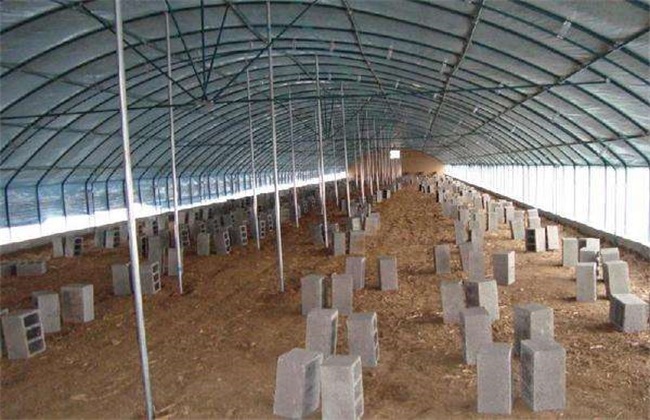
Generally, the greenhouse should not be too large. If it is too large and the stocking density is too high, diseases spread easily, and if there is an emergency, the losses will be too great. Generally, the size of a greenhouse used for growing vegetables is fine. It is better to build about 5 greenhouses per mu and raise the ducks separately, with about 100 ducks per greenhouse. For the greenhouse structure, steel frames are better, and the film should have medium light transmittance. Also use press-film cords to reinforce the greenhouse film. The floor generally should not be mud; it is best to lay slip-resistant, highly absorbent floor tiles.
3. Greenhouse duck raising
Before raising, disinfect the floor with lime and fumigate the greenhouse with chemicals. After keeping the greenhouse sealed for half a day, ventilate it thoroughly for two hours before putting the ducklings into the greenhouse. For the first week of raising, the temperature must be kept at around 28 degrees, with constant-temperature rearing. For the first three days of feeding, feed steamed corn and millet, generally 5 times a day, with two feedings at night. After three days, feed soybean cake and green vegetables.
4. Greenhouse management
Greenhouse duck raising mainly involves regulating temperature and humidity, adjusting them according to the growth stage. Ducklings need warmth and moderate humidity; as they gradually grow, the temperature can be gradually lowered to normal temperature, and the humidity can be brought to natural humidity. In the early stage, they need artificial light; in the later stage, natural light. Inside the greenhouse, the skylights can be kept open often for ventilation and air exchange. Adjust the diet every day and ensure a water supply. Also separate crowded ducks.
In general, the number of ducks raised in a one-mu greenhouse is mainly determined by the size of the ducks: smaller ones are raised in greater numbers, and larger ones in fewer numbers. Greenhouse duck raising requires attention to management and feeding.