-

How to Grow Lipstick Plant for Best Growth? Detailed Planting Guide
A detailed introduction to lipstick plant planting methods and care techniques, including how to grow it, soil mix, light and watering, propagation methods, fertilizing and pruning, pest and disease control, and other practical content.
-
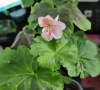
Propagate These 4 Common Flowers from Cuttings in Autumn: Snip a Stem and Leaf, Stick It in Soil, and Easily Turn One Pot into Many
Autumn has suitable temperatures and just the right humidity, without the scorching sun of summer or the bitter cold of winter, making it practically the "golden season" for flower cuttings. For many easy-to-grow, hardy plants, no complicated steps are needed - just cut off a stem and leaf, stick it into the soil, and it will take root and grow into new life. The several common plants below are perfect for
-

Which ornamental flower varieties can be kept alive just by sticking them straight into soil?
Want to grow flowers at home but afraid of the hassle? Try these "lazy gardener's blessings"! No need for seedling raising or hydroponics - just stick them straight into soil and they'll live, so even those with a black thumb can easily have a small garden. Moss rose: If we're talking about the "king" of plants that root just by sticking into soil, moss rose definitely deserves a mention! Just snap off a branch and stick it into soil, give it a little water and it will take root.
-
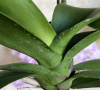
Reasons for Sticky Sap on Phalaenopsis Spikes and How to Solve It
For people who love flowers and plants, Phalaenopsis (moth orchid) is a flower that combines beauty with symbolism. After blooming, they have a unique butterfly-like quality, and because there are many varieties, their colors are also very vibrant. However, although it is the first choice for home decoration, during the care process many flower lovers encounter a confusing issue.
-

Reasons for Sticky Mucus on Phalaenopsis Orchid Spikes and How to Deal With It
Many Phalaenopsis (moth orchid) enthusiasts may run into this problem during care: mucus has appeared on the orchid's flower spike. What exactly is going on? And when this happens, how should it be handled? The mucus on a Phalaenopsis flower spike is actually a substance called "honeydew." It is secreted by the orchid under specific conditions
-
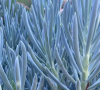
Deep pot or shallow pot for blue chalksticks? Grow it this way to get a full, overflowing pot
Blue chalksticks, a unique presence among succulents. Blue chalksticks, also known as "blue angel," has a color like the clear summer sky, giving people a fresh and tranquil feeling. Blue chalksticks belongs to the Asteraceae family, Senecio genus of succulents, with slender leaves in a captivating blue. Its stems are soft and easily form a trailing posture,
-
How long do you boil zongzi (sticky rice dumplings) until they are cooked? An introduction to different types of zongzi
Wrapped in zongzi leaves and steamed from glutinous rice, it is one of the traditional festival foods of the Chinese nation. The custom of eating zongzi has endured for thousands of years; every year on the fifth day of the fifth lunar month, the Dragon Boat Festival, every household in China soaks glutinous rice, washes zongzi leaves and wraps zongzi. So how long do you boil zongzi until they are cooked?
-
How to Grow a Lipstick Plant? The Latest Growing Methods and Points to Note
The lipstick plant, also known as lipstick vine, flower vine grass, and large red aeschynanthus, is an excellent trailing plant introduced to China in recent years. Both its flowers and leaves have high ornamental value, with a graceful plant shape, lush stems and leaves, and brilliant flower color. It can be placed on a table or desk, or hung for viewing as a
-
Is the lipstick plant toxic? The latest answer is here
The lipstick plant, also known as the lipstick vine, gets its name from its bright red petals, which are obvious just from the name, and the name itself sounds quite cute. The lipstick plant mainly grows in China's southwestern regions such as Tibet and Yunnan, and is also widely distributed in India. The lipstick plant
-
How to Transplant Lipstick Vine? Detailed Guide to the Latest Transplanting Method
Lipstick vine (Aeschynanthus) is mostly propagated by cuttings. The method is to cut a healthy branch of about 15 cm from the tip and insert it into sandy soil; it will survive and take root in about 1 month. After about 2 months, the cutting seedling will grow very vigorously, and at this point the plant can be transplanted
条件筛选