-

What are the respiratory organs of locusts? A detailed explanation of the insect respiratory system
What are the respiratory organs of locusts?
-
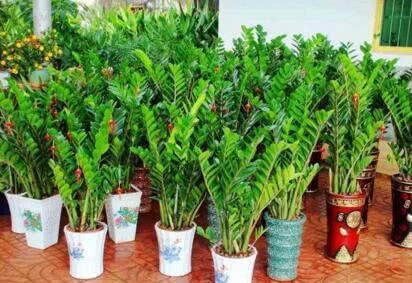
Feed your ZZ plant this now, and small shoots and new leaves will keep growing nonstop, and the stems will no longer shrivel
The ZZ plant should have "this" "now", and small shoots and new leaves will keep sprouting nonstop, and you will no longer fear "shriveled stems". With the progress of society, people's economic level and living standards have generally improved. When people's lives get better, they will increasingly...
-
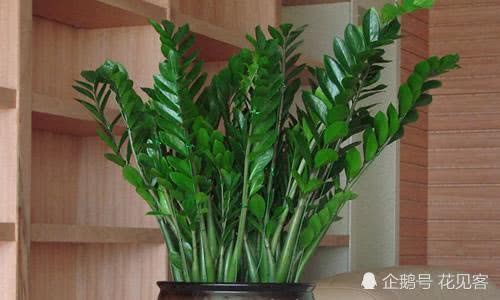
Money Tree Stems Often Shrivel? It's Not Too Late to Pay Attention to These 2 Issues
The Money Tree, also known as Zamioculcas zamiifolia (ZZ plant), is a perennial evergreen herbaceous plant. It is a rare foliage plant with underground tubers, with pinnate compound leaves emerging from the top of the tuber, firm and deep green, possessing very high ornamental value, and it also symbolizes "bringing in wealth and treasure...
-
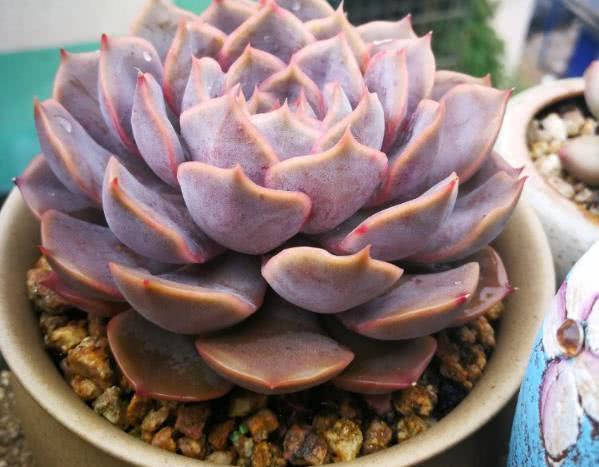
Can succulents still survive if their root system is damaged? They can, as long as you handle it properly.
Succulents whose root system has been damaged should still be able to survive. The fact that they can live when propagated by cuttings even without roots shows that they have fairly strong vitality. If the damage to the root system is not serious, first cut away the more rotten, damaged parts of the roots...
-
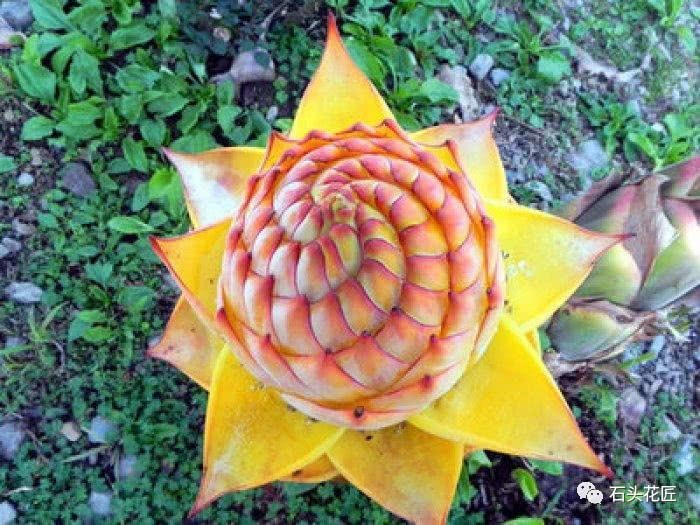
This potted flower can be used as medicine to stop bleeding, and its stem sap can sober you up; keep one pot and save money on medicine
More and more friends love growing flowers, and many people keep some plants and flowers at home. Keeping them at home not only beautifies the room but also purifies the indoor air. The most common ones, such as pothos, spider plant, snake plant and so on, ...
-
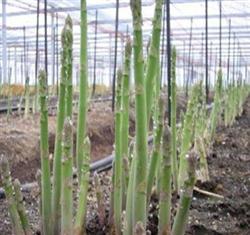
What are the methods for identifying asparagus stem blight?
How do you identify asparagus stem blight? How do you prevent and control it? Please explain. Asparagus stem blight is an important disease harming asparagus and occurs commonly in various regions. 1. Pathogen: Asparagus stem blight is a disease caused by infection with fungi of the genus Phoma in the subphylum Deuteromycotina. 2. Symptom identification: When plants develop the disease, it damages the stems and...
-
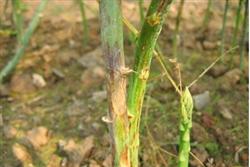
How to prevent and control asparagus stem blight? Detailed explanation of control methods
How to prevent and control asparagus stem blight? Please introduce the methods. Asparagus stem blight can be prevented and controlled by referring to the following methods: 1. When planting asparagus, choose flat, fertile sandy loam land that can be irrigated and drained. 2. Promptly and thoroughly handle diseased plant residues. Overwintering stalks must all be dealt with before "Spring Equinox"; diseased branches should be removed promptly;...
-

What are the control methods for the cotton stem borer (Zeuzera coffeae) in cotton?
What diseases occur during the boll stage of cotton? How should they be controlled? How are cotton boll-stage diseases controlled? The occurrence of cotton boll-stage diseases is closely related to climate, variety, insect pests, and cultivation techniques during the growth period. Therefore, the control of cotton boll-stage diseases should adopt comprehensive control measures focusing on cultivation management, combined with chemical protection. (...
-
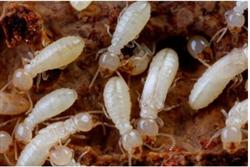
Control methods for pineapple stem borers and termites
How to control stem borers and termites in pineapple? Please give some advice. For pineapple stem borers and termites, you can refer to the following control methods: When rice straw or wheat straw is used as mulch in pineapple plantations, stem borers often cause damage, biting and eating the heart leaves and young stems of pineapple. You can spray a 500-800 times diluted dimethoate solution for control. Termites near...
-
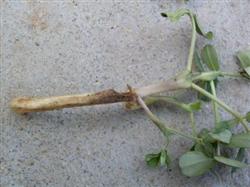
What are the control methods for peanut stem rot?
How to control peanut stem rot? (1) Keep good seed: choose summer peanuts for seed saving. Choose a sunny day to harvest early, sun-dry, and store in a dry place; before sowing, select healthy, large seeds. (2) Seed disinfection: 50% carbendazim wettable powder at 0.3% of the seed rate, 25% carbendazim wettable powder at 0.5% of the seed rate, mix with 5-10 times fine dry soil, and mix in layers onto peanut seeds soaked for 12 hours, or add 30 kg of water, soak 50 kg of seeds for 24 hours, stirring 2-3 times in between.
条件筛选