-
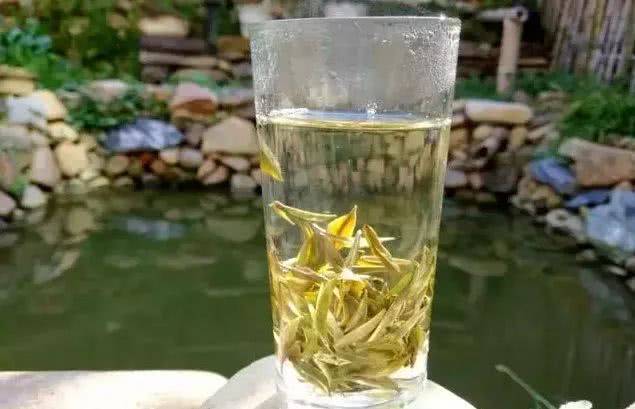
What makes drinking Fuding spring white tea so special?
As all things revive and yang energy rises, the accumulated internal heat toxins in the body's internal organs begin to manifest as spring dryness, leading to excess liver fire and bodily inflammation, with symptoms such as mouth ulcers, sore and swollen throat, constipation and dark spots. Add to this the warming spring weather...
-
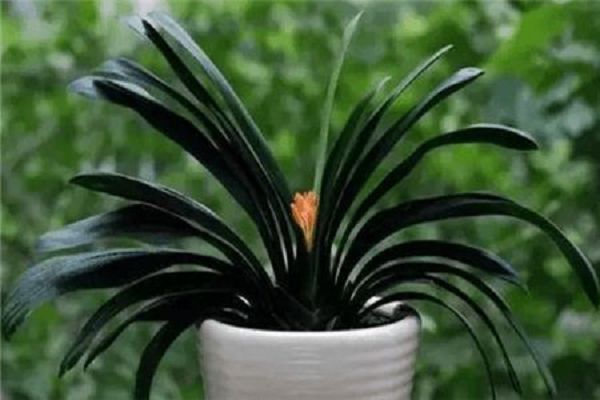
What to do when a clivia gets its flower stalk stuck in spring? Teaching you the correct way to handle it
What to do when a clivia gets its flower stalk stuck in spring
-

Wheat Price Forecast Before Spring Festival: Wheat Prices Steady with a Slight Rise, Flour and Bran Follow Suit
Wheat Price Forecast Before Spring Festival: Wheat Prices Steady with a Slight Rise, Flour and Bran Follow the Trend
-
After spring tea harvesting, attention should be paid to summer management of the tea garden.
After spring tea harvesting is finished, summer tea garden management work should be done promptly. 1. Fertilize in time. Apply 15-20 kg of urea per mu, or 25 kg of Zhongcha No. 1 fertilizer. Do not apply compound fertilizer with a high proportion of phosphorus and potassium, otherwise it will accelerate the reproductive growth of tea plants. During midsummer, carry out foliar topdressing. 2. Cultivate and weed. After June, apply chemical weed control once every 25 days. Commonly used herbicides include 10% glyphosate and 25% paraquat aqueous solution, etc. In July, deep-plow the tea garden once, which can both
-
How to carry out early-stage spring tea management? A detailed explanation of nine steps
Spring tea is the tea crop with the highest yield and the best quality of the year, fetching high prices and delivering good economic returns. Practice has proven that doing a good job of early-stage spring tea management plays a major role in increasing spring tea yield and improving spring tea quality and profitability. Therefore, it is essential to promptly complete tea garden management before the Spring Festival. 1. Apply additional and early topdressing. The time for applying the bud-forcing fertilizer is generally 15-30 days before the tea plant buds break, that is, before the end of February, applying 25-30 kg of urea per mu or 50-60 kg of ammonium bicarbonate or 50 kg of special compound fertilizer for tea plants.
-
How can you distinguish spring tea, summer tea, autumn tea and winter tea after brewing?
Spring tea: when brewed, the tea leaves sink relatively quickly, the aroma is strong and lasting, the taste is mellow, the liquor is clear and bright, the brewed leaves are soft and thick, there are many normal buds and leaves, and the leaf veins are fine and dense with inconspicuous serrations on the leaf margin. Summer tea: when brewed, the tea leaves sink relatively slowly, the aroma is not high enough, the taste is somewhat bitter and astringent, the brewed leaves are thin and rather hard, there are relatively many opposite leaves (with inconspicuous terminal buds), the leaf veins are coarser, and the serrations on the leaf margin are obvious. Autumn tea: the aroma is not high, the taste is light and slightly astringent, there are many opposite leaves, the serrations on the leaf margin are obvious, and the leaf blades vary in size. Winter tea: the aroma tends toward a light fragrance type, and the taste is smooth and softer than spring tea
-
How can you tell spring tea, summer tea, autumn tea and winter tea apart?
Spring tea: Because spring temperatures are moderate and rainfall is plentiful, and because the tea plant has rested and recovered through autumn and winter, spring tea's buds and leaves are plump, its color is emerald green, the leaf texture is soft, the taste is fresh and brisk, and the aroma is intense. In our country's historical documents through the ages, there are records that "spring tea is prized." Summer tea: Because the weather is hot, the tea plant's buds and leaves grow rapidly, and the extractable substances that dissolve into the tea liquor are relatively reduced, so the taste of the tea liquor is not as fresh and brisk as spring tea, the aroma is not as rich as spring tea, and the taste is rather bitter and astringent. However, summer tea contains higher levels of tea catechins and caffeine, making it suitable
-
Six key technical points for spring tea management
Weeding and loosening the soil: After 4-5 months of rain and snow, the tea garden soil has become compacted, and some weeds have already grown. At this time, the soil temperature is relatively low. Therefore, weeding and loosening the soil before the spring tea harvest helps to loosen the soil, raise the soil temperature, eliminate weeds, and reduce the consumption of water and nutrients, which promotes earlier sprouting of spring tea. Weeding and loosening the soil is generally carried out from the end of February to early March, with a depth of 10-15 cm. Applying bud-promoting fertilizer: The bud-promoting fertilizer should be applied early rather than late, with a trench opened 15-20 cm from the tea plant roots
-
Current key technical points for spring tea production management
Early picking and early marketing of spring tea, thereby increasing spring tea yield and output value, is the key to improving tea industry efficiency and increasing tea farmers' income. Combined with the actual tea production situation in Fuyang City, before spring tea picking, the main tasks are tea garden fertilization, tea tree pruning, freeze damage prevention, and tea factory and tea machine maintenance. 1. Shallow tillage and fertilization. Through shallow tillage, the soil can be loosened, the soil temperature raised, and early sprouting of spring tea promoted. Shallow tillage is generally carried out from late February to early March. When shallow tilling, combine with applying spring tea bud-promoting fertilizer. For tea gardens where base fertilizer was not applied in the previous autumn and winter, apply the spring tea bud-promoting fertilizer and base fertilizer at the same time. The amount of fertilizer applied depends on tea yield.
-
How to Tell Spring, Summer and Autumn Tea Apart? This Article Teaches You to Distinguish Them with Ease
In winter, the main growing part of the tea plant is the root, and amino acids are synthesized in the root of the tea plant and then transported to the tips. After winter dormancy, the tea plant has stored many nutrients internally; in winter and spring, sunlight is weak and the tea plant grows slowly, which is a main factor in the formation of certain aroma substances in tea. Therefore, spring tea has the advantages of a lustrous and oily color, a rich and fragrant aroma, a thick taste with a sweet aftertaste, and a soft and thick leaf base. In addition, spring tea is generally rather plump, stout and heavy, with more downy hairs, fine and dense leaf veins, and inconspicuous serrations along the leaf margin. In summer, temper
条件筛选