-
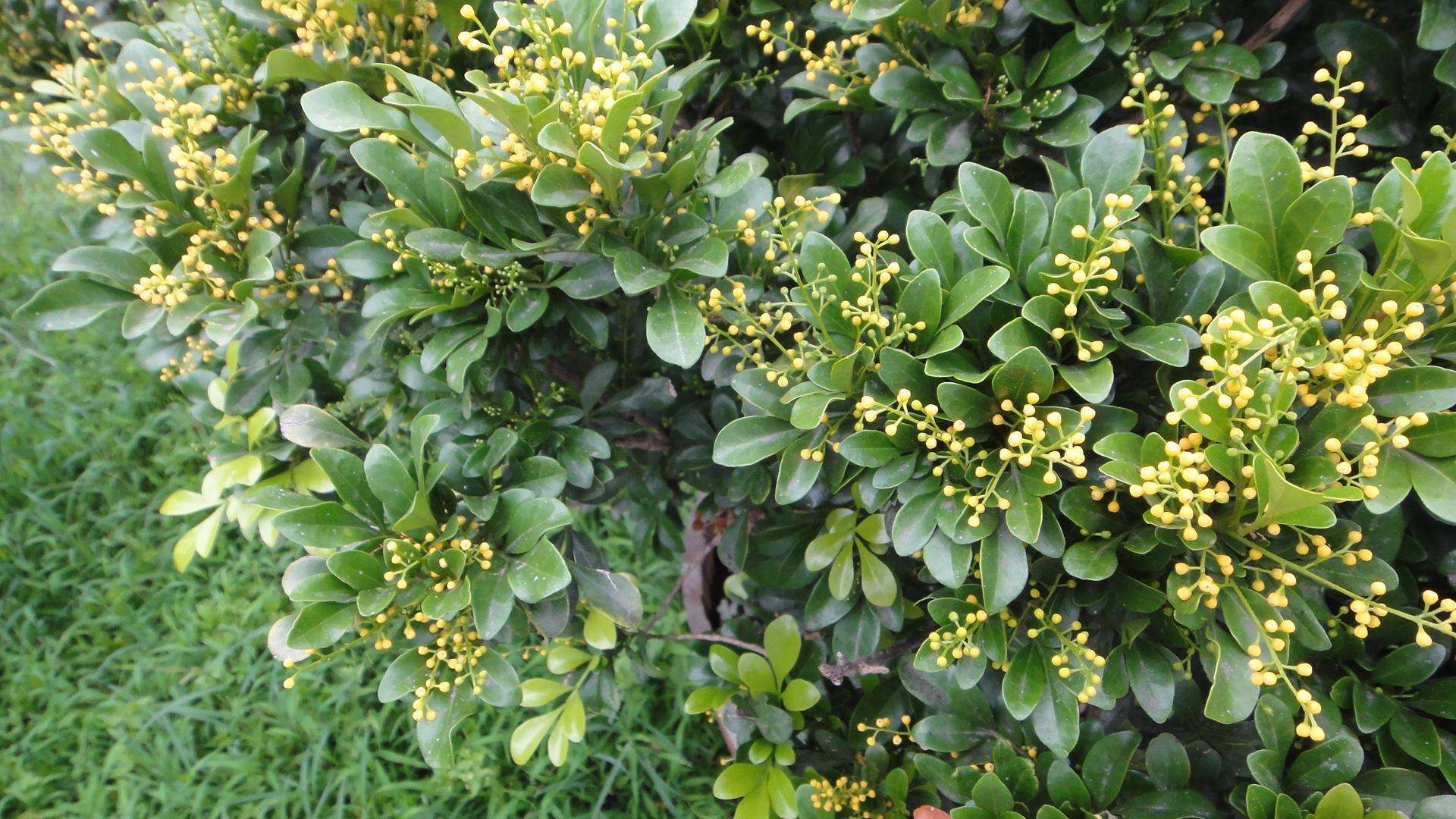
Why do potted Aglaia odorata (orchid tree) plants survive winter but die in spring? A veteran flower grower of twenty years teaches you clever tips
Many home gardening enthusiasts report that the Aglaia odorata they cultivate does fine in winter, but as soon as they move it outdoors the following year, the leaves turn yellow and wither, and soon the whole plant dies. Some have already been dead for quite a while before being moved out. This is indeed the case; according to what I know, whenever home cultivation of Aglaia odorata fails...
-
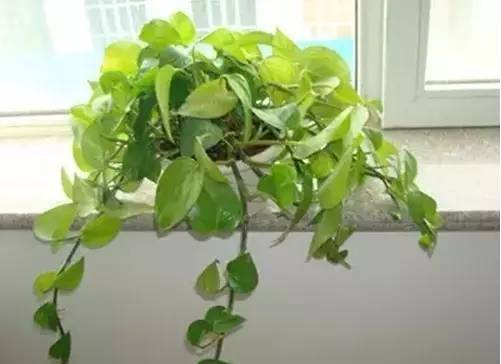
The complete guide to growing flowers in spring: teaching you how to grow any flower well
Do you also have a few potted green plants or flowers at home? Are they growing well? Do you know exactly how often these plants and flowers should be watered, and whether they should be placed indoors or on the balcony? Spring is the season for planting flowers. Below, we have compiled for you...
-

The Nangang Tea Manufacturing Demonstration Farm is a great place for a spring outing and a cup of tea in the suburbs of Taipei
The Spring Festival holiday that everyone has been looking forward to is about to arrive, and the Taipei City Government's Department of Economic Development has a great place for you to visit during the long weekend! Located in the back hills of Taipei City, the "Nangang Tea Manufacturing Demonstration Farm" (No. 336, Section 2, Jiuzhuang Street, Nangang District, Taipei City) is not only suitable for the whole family...
-
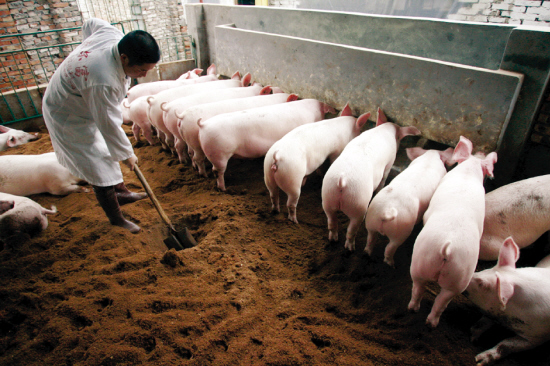
Sharing pig-farming experience in early spring: teaching you how to raise pigs well
Pig-farming experience sharing: how to raise pigs in early spring
-

What to Do When the Spring Miracle Succulent Gets Leggy? Teach You the Correct Way to Handle It
What to Do When the Spring Miracle Succulent Gets Leggy
-
Want high yields from bayberry? Apply spring fertilizer in winter instead
1. The water chestnut bayberry gets its name because its fruit ripens to a purple-black color resembling a water chestnut. It is a famous superior variety in China, originating in Yuyao, and is the main cultivar of bayberry in Yuyao City, hence it is also called Yuyao bayberry. It has now been promoted throughout the province and in various southern provinces and regions. In Guizhou it is called science and technology bayberry, in Jiangxi it is called hybrid bayberry, and in Yunnan it is also known as large-tree bayberry...
-
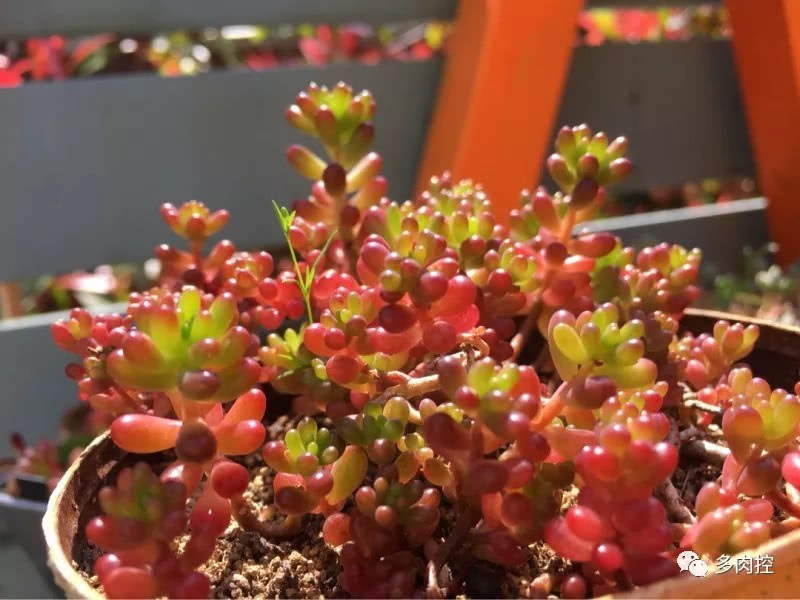
Looking back at the spring and summer of a succulent grower: there were tears and there was joy. What about you?
Moscow Has No Tears Trainee Cupid Twins 00:00/03:31 ...
-

Detailed Explanation of Key Techniques for Spring Tea Picking and Management
Before the spring tea picking begins, carry out one shallow plowing and weed cutting to remove overwintering weeds. When picking fresh leaves, strictly follow the picking standards for the quality of famous and superior tea, and pick in batches and in a timely manner. Generally, pick the bud tips or one bud with one leaf (because famous and superior tea is in short supply on the market and has high economic returns, while bulk tea is in oversupply on the market and has low economic returns). When picking tea leaves, keep the fresh leaf buds and leaves intact, uniform in length, fresh, clean and hygienic, free of foreign matter. For loading and transport, use clean bamboo baskets with good ventilation; do not use soft packaging materials such as cloth bags or plastic.
-
How are spring tea, summer tea and autumn tea divided?
The division of spring tea, summer tea and autumn tea is mainly determined by the seasonal changes and the intervals of new shoot growth of the tea plant. Under the climatic conditions of our country, except for a few areas in the South China tea region, in the vast majority of tea-producing areas, the growth of tea plants and the picking and processing of tea leaves are seasonal: in the Jiangbei tea region, the tea picking and processing period runs from early May to late September; in the Jiangnan tea region, from late March to mid-October; and in the Southwest tea region, from late January to early December. Tea regions that belong to the subtropical and temperate zones, including the Jiangbei tea region, the Jiangnan tea region and the Xiyie tea region, are usually divided by picking and processing time into the three seasonal teas: spring, summer and autumn. But the standards for dividing seasonal teas are not consistent. Some divide by solar terms: from Qingming to Xiaoman is spring tea, from Xiaoman to Xiaoshu is summer tea, and from Xiaoshu to Hanlu is autumn tea; some divide by time: tea picked and processed before the end of May is spring tea, tea picked and processed from early June to early July is summer tea, and tea picked and processed after mid-July is autumn tea. In the South China tea region of our country, because it is located in the tropics, the four seasons are not very distinct, and tea leaves can be picked and processed almost all year round; therefore, in addition to the distinction of spring tea, summer tea and autumn tea, there is also a classification by the order of new shoot growth of the tea plant and the earliness or lateness of picking and processing, divided into first-round tea, second-round tea, third-round tea and fourth-round tea.
-
How to Tell Spring, Summer and Autumn Tea Apart? This Article Teaches You to Distinguish Them with Ease
In winter, the main growing part of the tea plant is the root, and amino acids are synthesized in the root of the tea plant and then transported to the tips. After winter dormancy, the tea plant has stored many nutrients internally; in winter and spring, sunlight is weak and the tea plant grows slowly, which is a main factor in the formation of certain aroma substances in tea. Therefore, spring tea has the advantages of a lustrous and oily color, a rich and fragrant aroma, a thick taste with a sweet aftertaste, and a soft and thick leaf base. In addition, spring tea is generally rather plump, stout and heavy, with more downy hairs, fine and dense leaf veins, and inconspicuous serrations along the leaf margin. In summer, temper
条件筛选