Why do potted Aglaia odorata (orchid tree) plants survive winter but die in spring? A veteran flower grower of twenty years teaches you clever tips
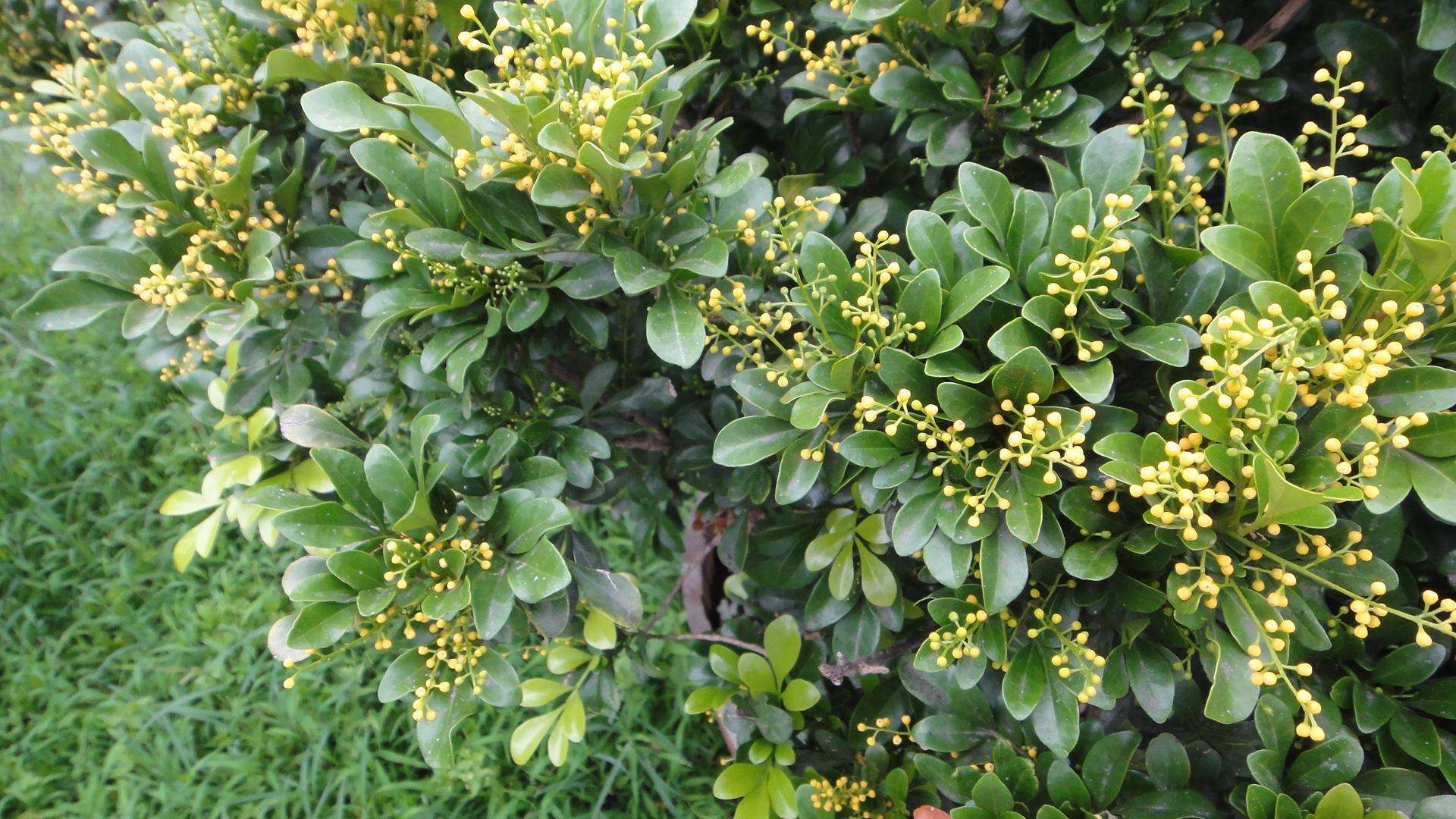
Many home gardening enthusiasts report that the Aglaia odorata they cultivate does fine in winter, but as soon as they move it outdoors the following year, the leaves turn yellow and wither, and soon the whole plant dies. Some have already been dead for quite a while before being moved out. This is indeed the case; according to what I know, whenever home cultivation of Aglaia odorata fails, it mostly dies in early spring or late winter. Not only that, in the greenhouses of offices, factories and mines, the highest mortality rate is also that of Aglaia odorata. Why does this happen? In my opinion, the reasons are as follows:
1. Uncontrolled autumn shoots: Aglaia odorata is a flowering plant that greatly fears the cold. To lay a good foundation for it to overwinter, you must start in late September each year to reduce fertilizer and cut back water, especially the restriction of fertilizer (whether dry fertilizer or liquid fertilizer), in order to force the Aglaia odorata to stop growing, achieve the goal of controlling the mass sprouting of autumn shoots, and let it store sufficient nutrients to resist the cold and survive the winter. But some growers often think that autumn is the best growing season, so they water generously and apply heavy fertilizer. Little do they know that not only will these autumn shoots fail to survive the winter due to low temperatures (because the autumn shoots enter winter before they have matured), most importantly it greatly damages the plant's "vital energy" and heavily consumes its nutrients, thus causing the plant to die from "weakness".
2. Frozen during overwintering: Aglaia odorata fears both low temperatures and cold winds. Generally, at -1°C it will be frost-damaged, and occasionally encountering one or two cold wind attacks can also cause its death. But some growers do not pay attention to keeping Aglaia odorata warm, and at -1°C they still do not provide heating treatment for it, such as lighting a stove, covering it with a plastic film cover, etc., and they are not strict about closing doors and windows on ordinary days. This is the main reason for the excessively high mortality rate of Aglaia odorata
3. Excessive winter watering: For flowering plants that greatly fear the cold, after they enter the indoor overwintering period, water management must be paid strict attention to, and Aglaia odorata is especially so. The root system of Aglaia odorata fears waterlogging the most, and in addition, during winter it is in a dormant period and needs very little water. Spraying water should be the main method, and throughout the winter it is best to keep the potting soil on the dry side. Especially for Aglaia odorata covered with plastic film bags indoors, the amount of watering must be even more restrained, so that the root system will not rot and die because the potting soil stays wet for a long time and the moisture cannot dissipate. But some home growers never let the potting soil dry out in winter, so how could the roots not rot? Root rot in Aglaia odorata is not easily noticed in winter, and the "truth" is only exposed in late winter and early spring, but once discovered, it is already too late.
4. Randomly applying dry fertilizer: Some well-meaning home growers, when moving Aglaia odorata indoors, apply a large amount of dry fertilizer, that is, sprinkling dry cake powder, poultry manure powder, etc. on the surface of the potting soil, thinking that this can save the need for fertilizing in winter and also play a role in keeping warm. If considered purely from the perspective of keeping warm, it does indeed have some effect. But Aglaia odorata is in a dormant period in winter and cannot absorb any fertilizer. A large amount of dry fertilizer is not only futile but will also harm the Aglaia odorata. Because after a winter of rotting and fermentation, the dry fertilizer will take effect in late winter, making the just-reviving Aglaia odorata unable to withstand the impact of the fertilizer's power, and its roots will burn and it will die.
5. Not choosing the site: Aglaia odorata has strict requirements for its overwintering site: first, good insulation; second, strong indoor light; third, fresh indoor air. Therefore, places with poor insulation, dim light, and coal smoke or peculiar smells cannot be used as overwintering sites for Aglaia odorata, otherwise it will cause Aglaia odorata to contract "sooty mold disease", that is, the leaves look as if covered with a layer of black powder. This disease will cause the plant's leaves to dry up, and finally the disease will infect the branches and trunk and it will die.
6. Moving outdoors too early: Many home growers move Aglaia odorata outdoors in February?March every year, thinking that spring has arrived and the temperature is higher. In fact, although the temperature rises during February?March, it is not stable, and low temperatures still appear in the morning and evening, and there may even be a late spring cold spell. If Aglaia odorata is placed in the open at this time, it will inevitably "catch a cold" and die. The safest date to move it outdoors is after Qingming Festival, when not only is the temperature stable, but late spring cold spells will no longer occur.
This article is originally created by Life Stealing Joy, taking you to learn knowledge together