-

Differences Between Three Soft-Shelled Turtle Diseases and Their Prevention and Treatment Methods
In the process of soft-shelled turtle farming, some farmers cannot clearly distinguish white spot disease, white spot fungus disease and saprolegniasis, and blindly and indiscriminately use drugs when treating turtle diseases, thus affecting the effectiveness of disease prevention and treatment. Therefore, based on recent years of practice at soft-shelled turtle farms, the author summarizes the differences between the above diseases and comprehensive prevention and treatment methods as follows. I. Differences between white spot disease, white spot fungus disease and saprolegniasis in soft-shelled turtles 1. Different pathogens: the pathogen of white spot disease is Aeromonas hydrophila, Aeromonas sobria, etc.; the pathogen of white spot fungus disease is Mucor, which belongs to
-
Causes of soft rot and nest rot in Gastrodia elata and prevention methods
Soft rot and nest rot in Gastrodia elata is one of the reasons for low and unstable yields in Gastrodia elata cultivation. In the small tubers, white tubers and arrow tubers affected by soft rot, the tuber skin turns yellow and withered, the central tissue decays, and a foul-smelling white milky fluid oozes from the cut surface of the tuber. In the rotting nests of Gastrodia elata and inside the tubers, the rhizomorphs of Armillaria mellea are luxuriant and dense. Gastrodia elata depends on Armillaria mellea for growth, so why does soft rot and nest rot occur, and why is the area beneath the tuber skin filled with Armillaria mellea mycelium? To explore this question, we should start with the nutritional ecology of Gastrodia elata. Gastrodia elata has no roots and no green leaves, its autotrophic organs are degenerated, and it relies on Armillaria mellea
-
How to prevent and control stem soft rot in lilies?
This disease occurs during the storage and transport of lily bulbs. Symptoms: In the early stage of infection, the affected scales develop water-soaked spots, which later turn dark brown, and the bulb softens and rots. In the late stage, a thick mold layer grows on the surface of the lesions, and within the mold layer many sporangia are produced that are initially white and later turn black. Pathogen: The pathogens are Rhizopus stolonifer (Ehrenb. ex Fr.) Vuill. and Rhizopus nigricans Ehrenb.
-
How to prevent and control bacterial soft rot in lilies
Symptoms: The disease affects the bulbs, causing bulb soft rot. Pathogen: The pathogen is Erwinia carotovora (Jones) Bergey et al., a bacterium. Disease pattern: The pathogenic bacteria survive in the soil and in infected plants, spread by rain splash, and invade through plant wounds. Damp conditions favour the occurrence and spread of the disease. Control: ① Plant healthy bulbs in well-drained sites. ② Avoid causing wounds during planting and management,
-
How to prevent and treat soft tick disease, a parasite of pigeons?
Parasitic diseases are very harmful to pigeon production, especially affecting the normal egg-laying of breeding pigeons, increasing the number of infertile eggs, and at the same time consuming nutrients, causing pigeons to lose weight, lowering their constitution, and triggering other diseases. Therefore, parasitic diseases of pigeons must be prevented and treated in production. It is a pigeon disease caused by ticks, also known as wall ticks. After young pigeons are attacked by large numbers of ticks, they can suffer severe blood loss and even death; affected pigeons are restless and itchy, gradually lose weight and become anemic, and their growth and development are stunted. Because ticks often parasitize pigeon nests and the accumulated droppings where pigeons often stay, droppings should be cleaned promptly, and the pigeon house
-
Common pests and predators in soft-shelled turtle farming and their control methods
The main predators of soft-shelled turtles include rats, snakes, birds, ants, mosquitoes, etc. They mainly harm turtle eggs and juvenile turtles under 1 year of age; turtles over 1 year old with strong constitutions are rarely harmed. Among them, rats cause the greatest harm to turtle eggs. In the dead of night, which is the good time for turtles to lay eggs, rats also come out of their holes and move frequently around the egg-laying sites. On one hand, they disturb the normal egg-laying of turtles; on the other hand, rats dig holes all over the sand bed, causing the turtle eggs to vibrate and leading to embryo death. Juvenile and young turtles are also easily surrounded and
-
How to prevent and control red and white plastron disease in soft-shelled turtles? Detailed explanation of causes and prevention methods
Red and white plastron disease in soft-shelled turtles (commonly known as red plastron and white plastron disease) has been a relatively serious turtle disease in China in recent years, and so far there is still no ideal treatment method. However, through efforts in various aspects, the main pathogens and disease onset conditions of red and white plastron disease have basically been identified, and breakthrough progress has been made in prevention, especially in research on disease prevention with Chinese herbal medicines and immune vaccines, laying a foundation for controlling the occurrence of red and white plastron disease in the future. Based on relevant domestic research and my own practice, the author introduces the occurrence and prevention of red and white plastron disease as follows, for reference and application by interested parties.
-
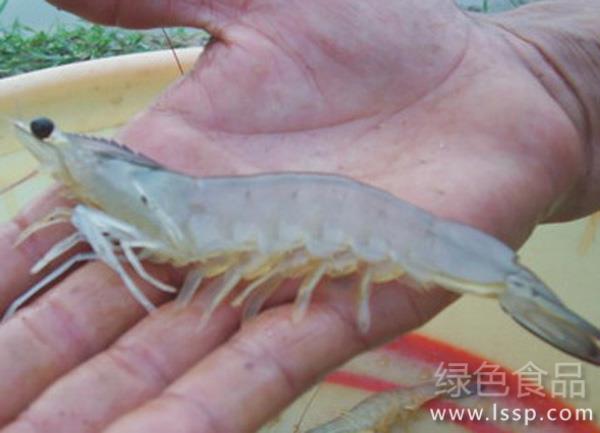
Soft-shell syndrome in prawns occurs at a high rate; how can it be prevented and treated in farming?
Prevention and treatment of soft-shell syndrome, which prawn farming is prone to
-
Oyster Mushroom Soft Rot: Control Methods and Key Technical Points
1. Culture material treatment: choose fresh cottonseed hulls or corn cobs as raw materials. Before mixing the material, it should be exposed to the sun for 2-3 days, or ultraviolet light should be used to kill some of the contaminating microorganisms in the culture material. During fermentation, strictly follow the fermentation process to ensure it is thorough, even and complete. Products such as warming fermentation agents, Lixin Junwang or Kemei Wang can be added to improve resistance to contaminating microorganisms. 2. Management during the spawn-running period: when cultivating large bags for fruiting, they should be placed in a cool, ventilated and clean location. Try not to cultivate them inside the mushroom house (shed), to avoid the growth of large amounts of contaminating microorganisms during the mycelial cultivation process, which can lead
-
How to prevent and control oyster mushroom Dactylium soft rot
This disease is caused by infection by Dactylium dendroides of the Deuteromycotina, also known as tree-like Verticillium wilt, cobweb mold, etc., and is a type of damage that causes soft rot of oyster mushroom fruiting bodies. (1) Pathogen characteristics and damage symptoms: The pathogen hyphae are white, the aerial hyphae grow vigorously and densely, cottony; conidiophores grow directly from the aerial hyphae, slender and sparse; the conidiophore sterigmata branch in whorls, with tapering tips, on which 1~3
条件筛选