-
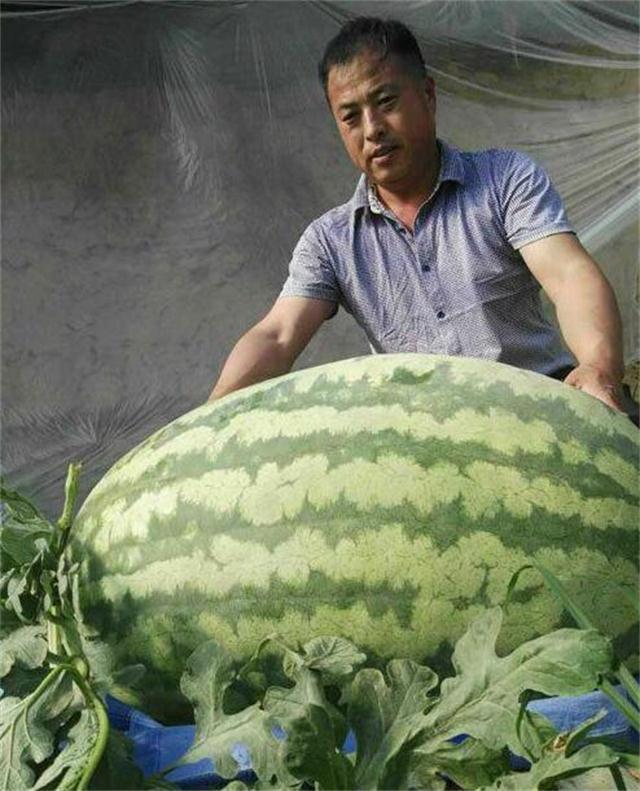
Giant vegetables, every one of them like something out of a legend - many people have never seen a single one, and after looking you'll be amazed
These legendary giant vegetables - you've probably never seen a single one, and they'll open your eyes too
-

Zhenlong lychees have seen a cliff-like drop in production this year, selling for forty to fifty yuan per jin
Zhenlong lychees have seen a cliff-like drop in production this year, selling for forty to fifty yuan per jin!
-

Watermelons that look like this - never seen one in a lifetime of growing them
Grown watermelons my whole life and never seen anything like this
-
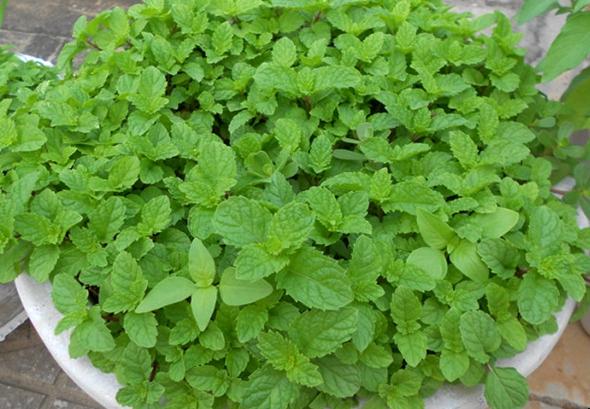
This vegetable doesn't need to be planted in rural areas, and it can still survive even after its stems and leaves wither, but it's basically nowhere to be seen in the city.
This vegetable doesn't need to be planted in rural areas, and it can still survive even after its stems and leaves wither, but it's basically nowhere to be seen in the city.
-
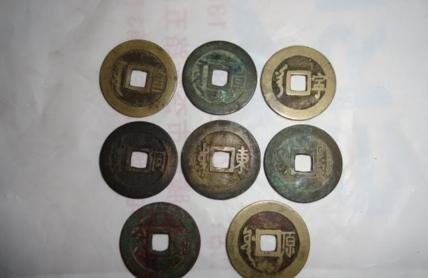
Valuable old antiques from the countryside that city kids have never seen
These valuable old antiques from the countryside are something city kids have never seen at all
-
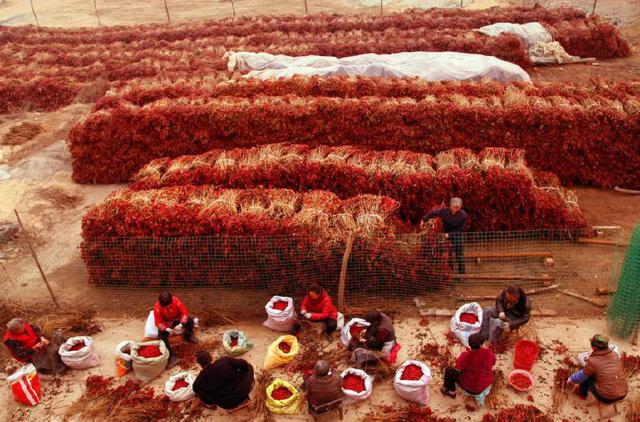
The scene of harvesting chili peppers in rural areas is exciting, have you ever seen it?
Seeing the scene of harvesting chili peppers in rural areas is so exciting! Have you ever seen it?
-

What are the two major problems commonly seen in garlic cultivation?
In recent years, in the main garlic-producing areas such as Jinxiang, Juye, Cangshan, Zhongmu, and Kaifeng, quite a few problems have arisen from a series of causes including continuous cropping, poor management, and unscientific fertilization. They can be summed up in 9 words: "yellow leaves, dry tips, dead seedlings, low yield." The author now introduces to the broad ranks of agricultural technology extension workers and garlic growers the causes of the two most headache-inducing problems that have appeared in garlic cultivation in recent years. Problem one: the garlic looks normal before winter, with a few yellow leaves and dry tips, but after green-up the garlic seedlings turn severely yellow.
-
The dove tree blooms like a flock of dancing doves. Have you ever seen such a beautiful sight?
The dove tree, also known as the dove tree, originally grows in the cold high mountain areas at an altitude of 1000 to 2000 m. It prefers shady, moist, slightly acidic or neutral soil and is a national first-class protected tree species. It blooms in spring, and its flowers resemble doves, hence the name "dove tree." The Xiangfan City Forestry Research Institute in Hubei Province introduced and cultivated it in 1980, and more than 200 trees are now preserved. The largest one is 13 m tall with a diameter at breast height of 14 cm. On April 10, this 27-year-old dove tree was already covered in flowers, about more than 800 of them, like a flock of dancing doves. The Xiangfan City Forestry Research Institute is located in the Ancient Longzhong Scenic
-
Reinwardtia indica, also known as golden-flowered flax and yellow flax, have you ever seen this plant?
Scientific name: Reinwardtia trigyna. Common names: golden-flowered flax, yellow flax. Family and genus: Linaceae, Reinwardtia. Origin: native to southwestern China, Vietnam, India and Indonesia. It is now cultivated in various places in the south. Growth habit: it likes a warm environment with ample sunlight and good ventilation, and prefers fertile, well-drained soil. It likes to grow in low-altitude calcareous soil and is not cold-tolerant. Morphological characteristics
-
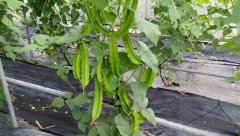
How do you get winged beans, and can you eat them raw? Everything explained in one article
Have you ever seen a bean with wings? If not, let's get to know it together. This kind of bean is not only better looking than ordinary beans, but its tender pods are emerald green, with an excellent pod shape and a crisp, fresh taste. Spring cropping can produce high-quality tender pods. Can winged beans be eaten raw? It should
条件筛选