-

What are the benefits of scraping fruit tree bark in winter?
In winter, fruit trees enter dormancy, and this is the best time for scraping bark. This is an important measure in winter management of fruit trees, and it is of great importance for reducing pest and disease damage in the coming year, promoting robust tree growth, and increasing fruit tree yields. Select fruit trees of the right age. Generally, those over 15 years
-
What are the latest precautions for bark scraping on fruit trees
Bark scraping on fruit trees is a commonly used technique in cultivation. The old bark of fruit trees is where pests and diseases overwinter, and after the following year it becomes an important source of pests and diseases, affecting the yield and quality of the fruit trees. Therefore, bark scraping is carried out on fruit trees to reduce the source of pests and diseases and to prevent and control them, but
-
The Latest Method and Technical Points for Bark Scraping of Fruit Trees in Winter
Generally, some arbor-type fruit trees are planted, and their trunks are relatively thick and strong, with a lot of old bark. Usually the old bark does not fall off on its own. Therefore, bark scraping can be done in winter. Bark scraping also has many benefits for tree growth, so most fruit growers scrape the bark of fruit trees in winter. So
-
What are the precautions for bark scraping of pear trees in winter?
I believe many farmer friends have heard the saying "If you want to eat good pears, scrape the tree bark in winter." Winter bark scraping has a great impact on the growth of pear trees, so how should pear trees be scraped in winter? What should be paid attention to? Let's take a look together. 1. Master the timing of bark scraping. In pear
-
Best Time for Bark Scraping on Fruit Trees and Detailed Winter Frost Protection Measures
In recent days, temperatures across the country have plummeted, presenting a veritable winter scene, which is undoubtedly a survival challenge for fruit trees. So when is the best time to scrape bark on fruit trees? What frost protection measures are there for fruit trees in winter? As fruit trees age, the bark thickens and lacks elasticity
-
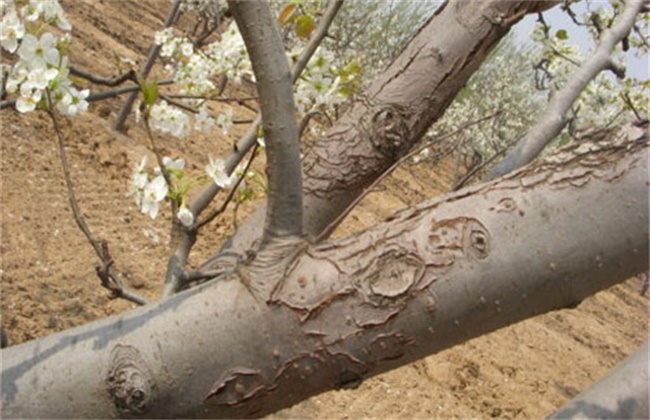
What are the precautions for scraping bark from pear trees in winter
Precautions for scraping bark from pear trees in winter
-
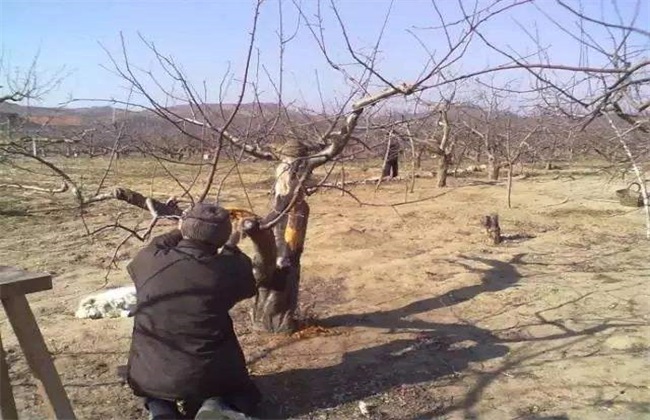
Methods and Technical Key Points for Scraping Bark of Fruit Trees in Winter
Methods for Scraping Bark of Fruit Trees in Winter
-

What are the precautions for scraping bark on fruit trees? These key points every fruit grower should master
Precautions for scraping bark on fruit trees
-
Scraping pear tree bark in winter is the key to growing good pears
The farming proverb says: "If you want to eat good pears, scrape the bark in winter." In the cold winter season, scraping off the old bark of pear trees that have already borne fruit can effectively eliminate fungal spores such as pear scab, ring rot, anthracnose, and pear rust that remain inside and outside the old cracked bark of pear trees, as well as the eggs of various pear tree pests such as the pear psyllid, aphids, fruit borers, and scale insects, ensuring robust production of pear trees with high quality, high yield, and high returns. Scraping must be thorough When scraping pear tree bark, you must remove the old cracked bark, rot disease, pear scab, ring rot, anthracnose, scale insects, pear psyllids, aphids,
-
Scraping the mushroom bed surface of oyster mushrooms can increase mushroom weight
After two harvests of oyster mushrooms, the bed surface often becomes severely dry and compacted, with poor air and water permeability, and the mycelium becomes senescent and weak, which delays the fruiting time, reduces mushroom yield, and may even result in no mushrooms at all. Scraping the bed surface can effectively solve this problem and produce a very good yield increase. The method for scraping the bed surface is: for a severely compacted bed surface with an overly thick mycelial skin, scrape off a thin layer of the aged mycelial skin over the entire surface. For a slightly compacted bed surface with a relatively thick mycelial skin, use a wire to scratch many small crisscrossing grooves until the mycelium is exposed. For ridge-bed cultivation,
条件筛选