-

What Are the Common Varieties of Passion Fruit? A Detailed Guide
The scientific name of passion fruit is Passiflora edulis. It is juicy, sweet and sour, and nutritious. It gets its name because its pulp can give off the rich aroma of more than a dozen fruits such as banana, pineapple, strawberry, lychee, lemon, mango, and sour plum, and it enjoys the reputation of the "king of fruit juice."
-
A detailed introduction to the origins and classification of Chinese yam
The scientific name of Chinese yam is Dioscorea polystachya, and it is a common vegetable. Its tubers are edible, and it is one of the earliest plants eaten by humans. Chinese yam is not only delicious but also rich in nutrients, with many benefits for the human body, including tonifying the spleen and nourishing the stomach, promoting body fluid production, and benefiting the lungs. Most importantly
-
What is braised food, and what are the common varieties?
Braised food is the general term in culinary science for cold dishes; it is a familiar home-style dish in every region and also one of the important components of our country's food culture. Our country's braised food has a long history, a wide variety and different flavors, and has always, in its own unique form, been constantly
-
How to determine a reasonable fertilizer amount? A full breakdown of the scientific method
The determination of the fertilizer amount for walnut trees is based on the nutrient status of the soil and the nutrient requirements of the walnut tree. In addition, soil pH, topography, terrain, soil temperature and moisture, and soil management all affect the fertilizer amount and fertilization method. Determining a reasonable fertilizer
-
What are the symptoms of nutrient deficiency and toxicity in walnut trees?
The key to scientific fertilization lies in accurately judging the surplus and deficiency of nutrient elements in the soil and in the tree's nutritional status. The basis for fertilization includes two aspects: morphological diagnosis and nutritional diagnosis. Morphological diagnosis is based on the external morphological characteristics of the fruit tree to preliminarily judge the abundance or deficiency of nutrient elements, and to guide
-
A Comprehensive Analysis of Fertilizer Types and Characteristics
Scientific and rational fertilization requires an understanding of the types and characteristics of fertilizers. The fertilizers commonly used in various regions of China today mainly fall into two major categories: organic fertilizers and inorganic fertilizers. Organic fertilizers mainly include barnyard manure, human excrement and urine, livestock and poultry manure, compost, and green manure. Organic fertilizers contain a variety of nutrient elements,
-
Scientific transplanting of walnut saplings requires creating suitable environmental conditions
Walnuts have a powerful root system. Before establishing a walnut orchard and planting, regardless of whether the site is mountain land, sloping land, sandy land or saline-alkali land, the soil must be prepared in advance to meet the needs of walnut growth and development. Soil preparation mainly includes land leveling, terrace construction and soil and water conservation works
-
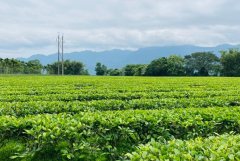
Tea Science Popularization: A One-Time Guide to Understanding the Six Major Tea Types
When it comes to beverages, if coffee represents Western culture, then tea is certainly an important part of Eastern society's centuries of development. Coffee, alcohol and tea are called the world's three major beverages, each with its own characteristics and each with its own adherents, and unlike the strong flavors of coffee and alcohol,
-
What Is the Best Fertilizer for Orchids? A Detailed Guide to Scientific Fertilizer Selection
As the saying goes, every orchid grower has their own methods. On the question of what fertilizer is best for orchids, orchid enthusiasts may want to read this article carefully. Besides the author's insights on fertilizer use in orchid growing, it also includes other orchid growers' understanding of fertilizers....
-
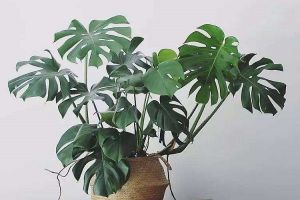
What is the best fertilizer for Monstera deliciosa? A detailed guide to scientific fertilization methods
What fertilizer to use for growing Monstera deliciosa has always been a headache for many people. In fact, the nutrients it needs most are phosphorus and potassium. Phosphorus not only helps it grow thicker and sturdier, but also keeps it healthier, while potassium is even more impressive: it not only boosts its resistance and strengthens its root system so it can absorb nutrients better, but also prevents it from lodging.
条件筛选