-
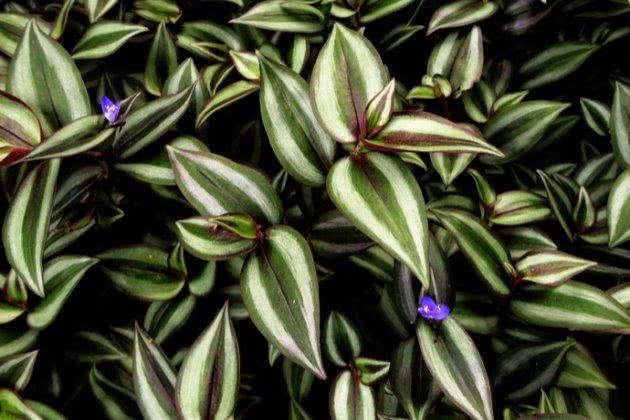
Is Tradescantia zebrina toxic, and can it be kept in the bedroom?
Tradescantia zebrina is a plant that is very well suited to being grown in hanging baskets suspended in the air so its trailing vines can be enjoyed. Tradescantia zebrina has striped leaves that can show purple, yellow, green and more, making it a plant with its own distinctive character among common green plants...
-
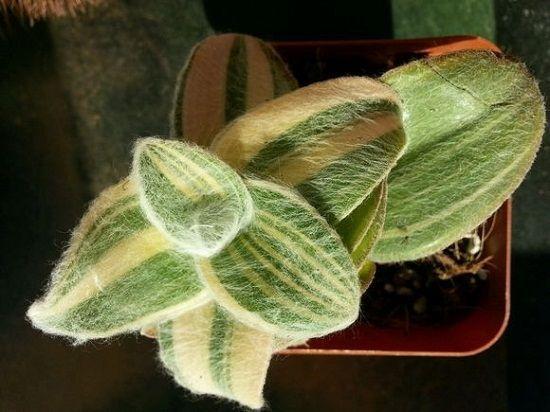
How to cultivate a potted Tradescantia sillamontana variegata? Remember these four points to grow it well
As one of the succulent plants, Tradescantia sillamontana variegata is relatively rare in our daily life. Its plant surface is covered with a layer of fuzz, and under light conditions it gives people a certain sense of translucency. At the same time, its flowers are also very...
-

Care for Tradescantia zebrina this way: the leaves will be glossy and gorgeous, and it will easily fill out its pot
Build your balcony garden. For growing flowers on a home balcony, you cannot miss these flowers. Come and take a look. Follow Tradescantia zebrina has very beautiful leaves and is often hung indoors for growing and viewing. Tradescantia zebrina is also a plant with low cost input and an extremely high greening effect...
-

How to Grow Tradescantia zebrina? Detailed Guide to Growing Methods and Precautions
The cutting medium for Tradescantia zebrina consists of materials such as nutrient soil, river sand, or peat soil used for cuttings. The stems used for cuttings are called cuttings. Cut the stems into 6 cm sections, each with more than three leaf nodes; the top shoots can also be used as cuttings. The growing medium should preferably be a mix of 40% leaf mold, 40% garden soil, and 20% river sand.
-

How to grow a Tradescantia zebrina bonsai? A care guide for the blood-cooling, diuretic plant
Tradescantia zebrina is not only an excellent bonsai plant, it also has powerful medicinal value, able to "cool the blood and promote urination." Growing it can beautify the complexion and even treat illness. Below is an introduction to the functions of Tradescantia zebrina and a bonsai care guide. Take a look right away!
-

How to grow Tradescantia zebrina? Hydroponic and daily care management tips
Tradescantia zebrina is a type of household flower. Its leaves stay evergreen all year round without withering or changing color, and when it blooms, the flower shape resembles a butterfly. Today, the editor will tell you about the hydroponic and care management tips for Tradescantia zebrina.
-
How to Grow Tradescantia zebrina So It Blooms More? Detailed Care Tips
First, ensure suitable lighting for Tradescantia zebrina. Tradescantia zebrina is a warmth-loving plant, and during its growing season it must receive ample light so that it grows dense, full leaves. If it is grown in a spot with insufficient light that is rather dark, the stems and leaves will become thin, sparse and irregular, and the leaves will be thin and unhealthy
-
How to Grow Tradescantia zebrina? Care Methods and Precautions
Soil requirements: Tradescantia zebrina is not demanding about soil and does well in fertile, loose soil. For home growing, the potting mix is best made from 40% leaf mold, 40% garden soil and 20% river sand. Water requirements: Tradescantia zebrina likes moisture; during the growing season water once a day to keep the soil moist and mist the leaves, and reduce the amount of water in winter.
-
How to grow Tradescantia zebrina? Detailed care precautions
1. Tradescantia zebrina can be propagated by cuttings and by division, and this can be done year-round. For cuttings, combine it with pinching: cut healthy shoot tips as cuttings, insert them into river sand, place in partial shade, keep moist, and they root very easily. The stems of Tradescantia zebrina trail along the ground, and once roots form at the nodes, they can be separated and planted to make new plants.
-
Detailed Guide to Growing Tradescantia zebrina in Water and Points to Note
Tradescantia zebrina, like calla lily, can also be grown in water. Growing small Tradescantia zebrina plants in water can shorten the rooting time, and when growing Tradescantia zebrina from seed in water, the rooting rate can reach almost one hundred percent. If you are converting soil-grown Tradescantia zebrina to water culture, you first need to dig the mature Tradescantia zebrina out of the soil.
条件筛选