-

How to Grow Tradescantia zebrina? Planting Methods and Care Tips
A detailed introduction to the planting methods and care techniques for Tradescantia zebrina, including how to grow Tradescantia zebrina, soil mixing, light and watering, propagation methods, fertilizing and pruning, pest and disease control, and other practical content.
-
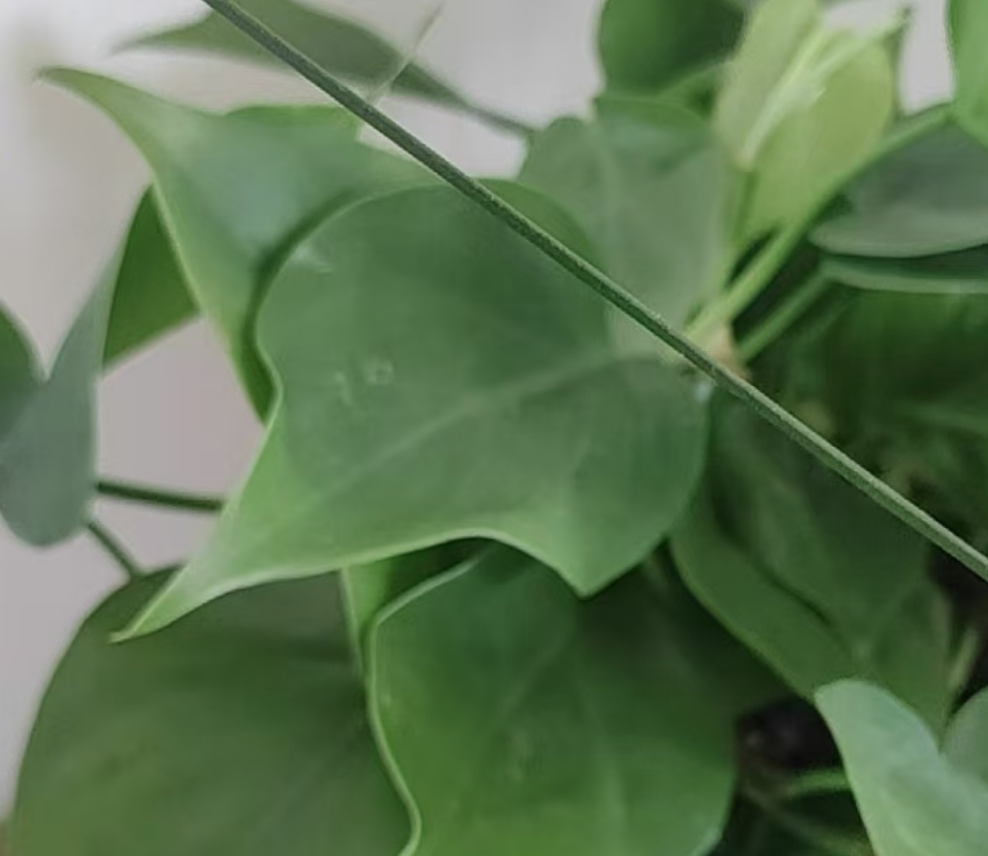
What's the difference between Philodendron scandens and Epipremnum aureum?
It's believed that many families will keep one or two pots of evergreen plants. Especially for families that have just finished decorating their houses, they
-
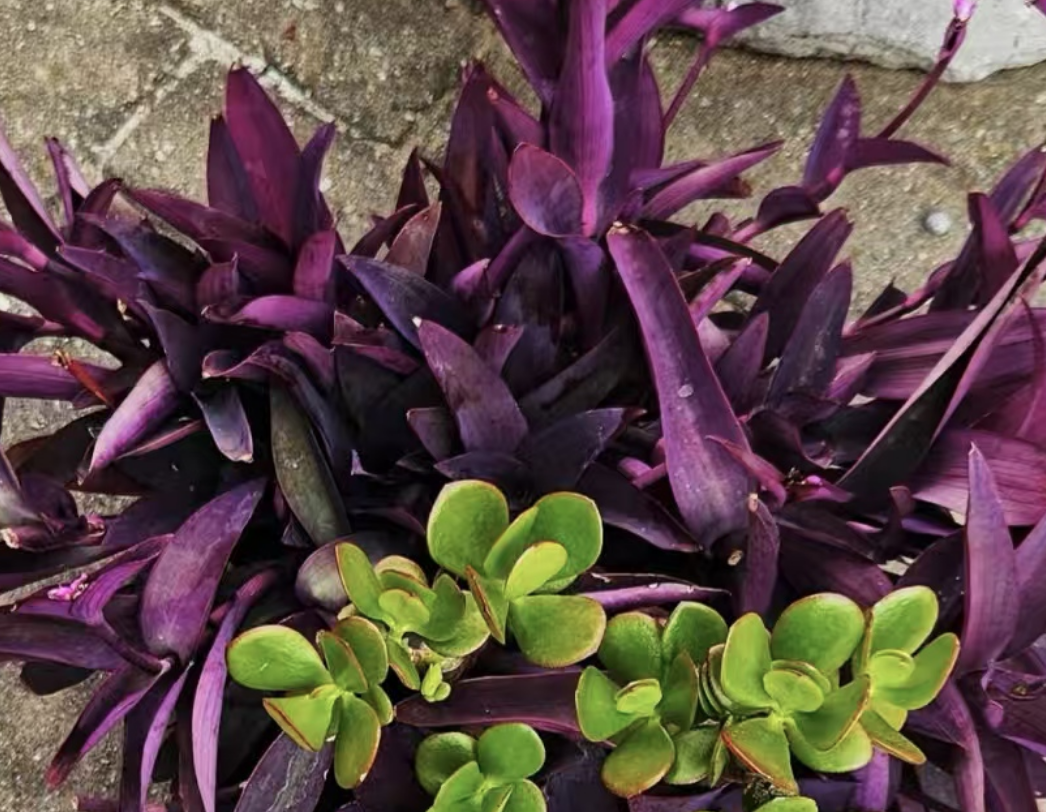
How long is the flowering period of Tradescantia ohiensis?
Today, let's introduce a plant whose entire herb can be used as medicine - Tradescantia ohiensis. Native to North America, it can be seen everywhere in rural
-

How long is the flowering period of Tradescantia? Detailed explanation of cultivation methods and precautions
Today we introduce a plant whose whole herb can be used as medicine, namely "Tradescantia" (spiderwort). It is native to North America and can be seen everywhere in rural areas of our country. Its flower language is nobility and elegance. The flowers generally open in the early morning. Although the opening time is short, the flowering period is quite long. After blooming, the flowers are light purple. Keeping a pot at home is very pleasing to the eye, and at the same time
-

Can Tradescantia spathacea (Moses-in-the-cradle) be eaten? Understanding its benefits and effects
Tradescantia spathacea, a plant whose name alone sounds full of mystery and health. Generally speaking, fresh Tradescantia spathacea leaves are not recommended for consumption, because they may contain components harmful to the human body and cause poisoning. However, after specific processing, such as drying its tender leaves into dried vegetables, Tradescantia spathacea can be safely eaten.
-

The spiderwort that looks like bamboo is Tradescantia zebrina; how do you care for and manage it in pots?
Today I recommend a plant that can be placed on a flower stand or the top of a cabinet - Tradescantia zebrina. Its leaves are also very distinctive: the undersides are purple, while the upper surface mixes purple, green and silver. At the same time, the plant is small and delicate, and it is fairly shade-tolerant. Placing it indoors can not only beautify the environment but also purify household air. In flower language, Tradescantia zebrina stands for simplicity, pure
-
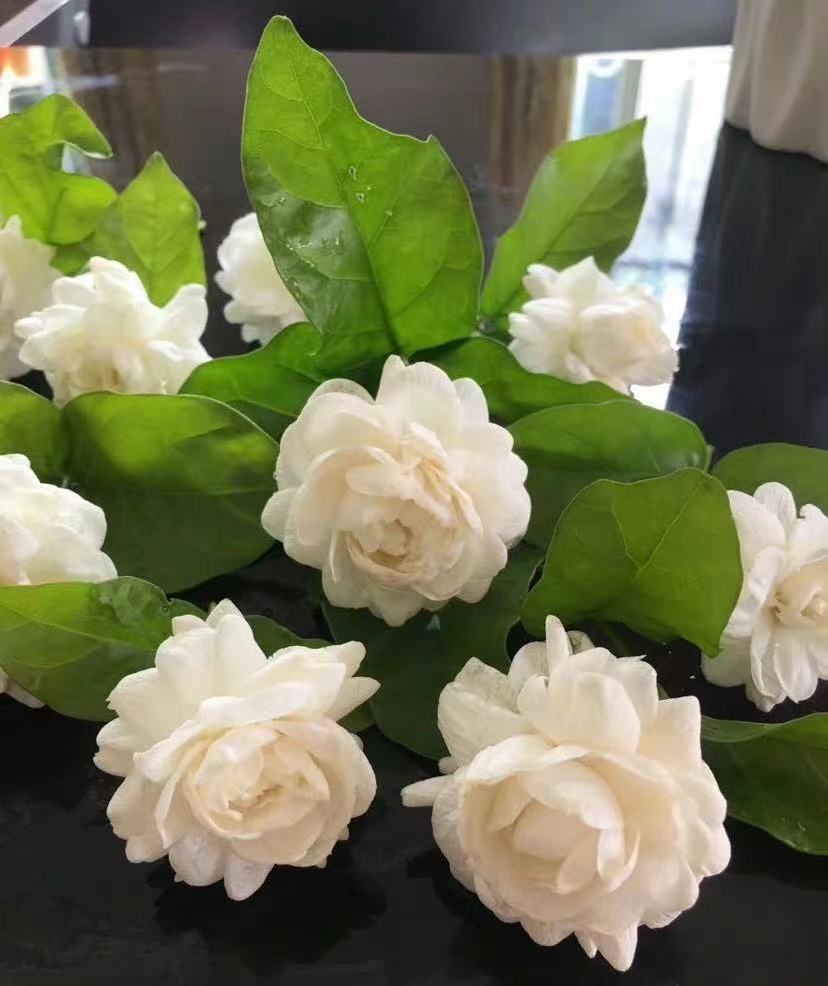
In which season does the blooming period of Jasminum sambac 'Grand Duke of Tuscany' usually occur?
The flowers of Jasminum sambac 'Grand Duke of Tuscany' are huge and have a beautiful flower shape, being a beautiful sight in summer. Although its blooming
-
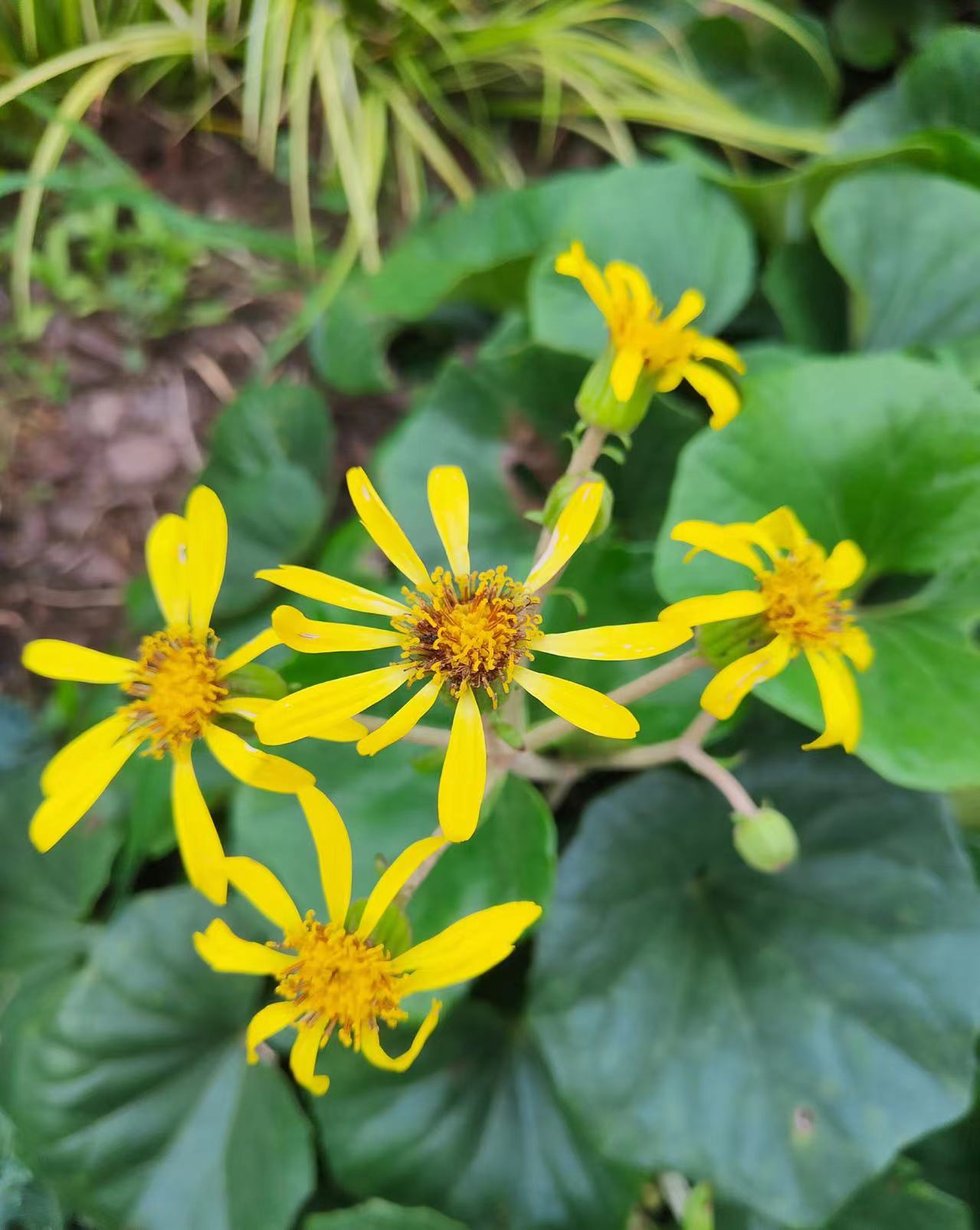
What are the differences between Senecio scandens and Chrysanthemum indicum?
In the world of plants, both Senecio scandens and Chrysanthemum indicum belong to common herbaceous plants, yet they have many differences. From the aspect of
-
Where can I buy Miscanthus sinensis seeds? What are the seedling methods?
Miscanthus sinensis is a perennial herbaceous plant, usually growing in clumps, found along roadsides; this plant is very common, constantly growing up every year, and in autumn it produces deep pink flower spikes that look especially beautiful when the breeze blows. If
-
How to Grow Tradescantia zebrina (Inch Plant) from the Spiderwort Family: Growing Methods and Winter Care Tips
Tradescantia zebrina, also called Tradescantia pendula, variegated spiderwort, inch plant, water inch plant, and variegated inch plant, is a perennial evergreen herbaceous plant in the spiderwort family (Commelinaceae) and the genus Tradescantia. The color distribution on the leaf surface resembles the surface of a watermelon, with purple-green in the middle and two silvery-white stripes on either side. Below
条件筛选