-
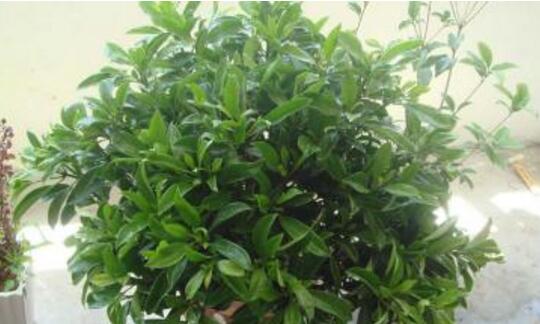
What to Do When African Jasmine Leaves Become Soft and Droopy? Root Damage Is the Main Cause, Four Solutions
Normally, the leaves of African jasmine should be firm and upright, but some flower lovers have found that their African jasmine leaves have become soft and droopy, which not only affects its appearance but also slows its growth. What causes this phenomenon, and what should we do about it? Let's take a look together.
-
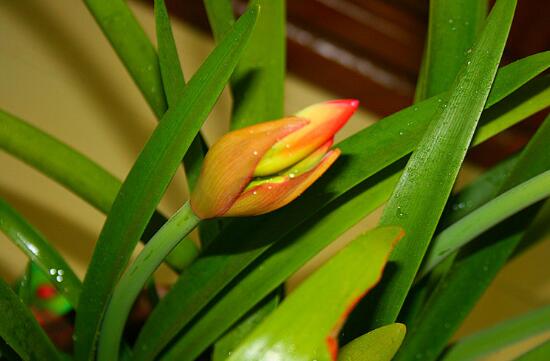
What to Do When the Leaves of the Violet Root Orchid Turn Yellow? 5 Major Causes Including Temperature, Water and Fertilizer, and Their Solutions
Violet Root Orchid - friends who have seen it should be deeply impressed. Its flowers are brightly colored, and its flower shape is very similar to that of a lily. It is a very beautiful ornamental flower. However, while growing the Violet Root Orchid, many flower lovers often encounter some problems, such as yellowing leaves. So what should be done when the leaves of the Violet Root Orchid turn yellow?
-

Lucky Bamboo Roots Turning Black: Causes and Solutions
What to Do When Lucky Bamboo Roots Turn Black
-

What to Do When Alocasia (Dumb Cane) Roots Rot? Causes and Solutions
Overwatering: Alocasia macrorrhizos is a tropical rainforest plant that likes semi-shaded, humid environments. So people often deliberately increase watering frequency, frequently spray the leaves, and raise air humidity, which easily causes waterlogging and makes the roots rot. When watering normally, do not water too frequently; do not water until the soil is dry.
-
What to Do When a Clivia Has Root Rot? Causes and Solutions
What to Do When a Clivia Has Root Rot? Causes and Solutions for Clivia Root Rot
-
What to Do About Root Rot in the Money Tree? Causes and Solutions Explained
What to Do About Root Rot in the Money Tree? Effective Solutions and Causes
-
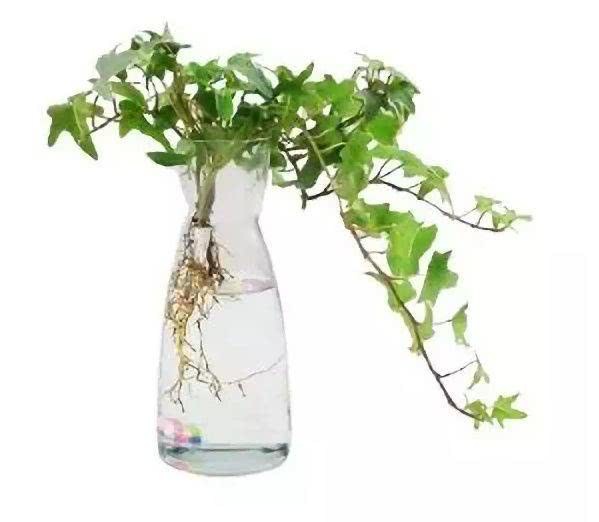
Do hydroponic plants at home always get root rot? The problem lies in the nutrient solution
Anyone who grows flowers regularly knows that growing flowers can be divided into hydroponics and soil culture. Some people prefer soil culture, feeling that soil protects the plant's roots, looks more secure, and allows for more complete nutrient absorption. Others prefer hydro...
-
Money trees are prone to root rot; soak them in a disinfectant solution and their branches and leaves will grow stronger
Growing plants has now become a common hobby for many people. No matter whose home you visit, there are sure to be a few pots of greenery on display, from a small pot of pothos to even a pine bonsai that can be brought home. That said, there is a bit of an art to growing plants, and some people like to keep ones with auspicious meanings, so they can purify the air while also being pleasing to look at, right?
-
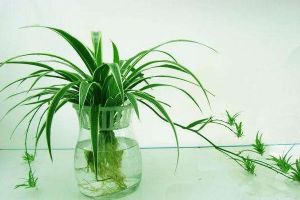
Hydroponic plants always getting root rot? The cause is actually the nutrient solution
Anyone who has grown flowers for a while knows that growing plants can be divided into hydroponics and soil culture. Some people prefer soil culture, feeling that soil protects the plant's roots, looks more reassuring, and allows the plant to absorb nutrients more fully. Others prefer hydroponics. A large portion of these people are younger flower-growing enthusiasts. Friends who like hydroponics generally do not grow large ornamental plants; they usually choose to grow smaller plants, such as pennywort (Hydrocotyle vulgaris), which naturally grows in water, and another type of plant that can be grown both hydroponically and in soil.
-
What to Do About Root Rot in Clivia? Cause Analysis and Solutions
Clivia root rot can occur in all four seasons, but it is most common in summer, mainly due to the specific environment of high temperature and high humidity and the grower's lack of care knowledge. The main causes of Clivia root rot and control measures are introduced below. Clivia root rot caused by improper flower pot selection: nowadays some people, for the sake of appearance
条件筛选