-

What to Do About Root Rot in Lavender? Causes and Solutions
There are many causes of root rot in lavender: if it is caused by poor soil drainage, then replace it with soil that drains and breathes well. If it is caused by frequent watering or too much water, then reduce the amount of watering and follow the principle of watering when dry and letting it dry out between waterings. If it is caused by improper fertilizing, then fertilize on schedule and do not apply too much. If it is caused by low temperatures, then adjust the temperature appropriately.
-
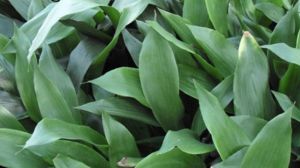
What to Do If a Cast Iron Plant (Aspidistra elatior) Has Root Rot? Causes and Solutions Here
There are many causes of root rot in the cast iron plant (Aspidistra elatior): if it is caused by poorly aerated potting soil, then replace it with well-aerated potting soil. If it is caused by too much watering, then reduce the amount of watering and make sure no waterlogging occurs. If it is caused by low temperatures, then appropriately increase the growing temperature. If it is caused by too much fertilizer, then control the amount of fertilizer applied.
-

What to Do About Tulip Root Rot? Cause Analysis and Solutions
There are many causes of root rot in tulips: if it is caused by excessive watering, then reduce the amount of watering appropriately and keep the watering frequency under control. If it is caused by poorly aerated soil, then replace it with loose, well-aerated soil. If it is caused by too much fertilizer, then keep the fertilizer amount under control.
-
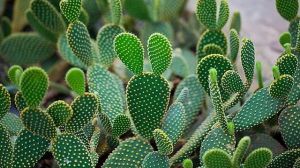
How to Rescue a Cactus with Root Rot? Practical Solutions to Share
To solve the problem of root rot in a cactus, first take it out of the pot, cut off the rotten parts and disinfect them, then place it in a ventilated spot to dry. Once completely dry, insert it into the potting soil. In normal care, control the amount of watering well, do not let water accumulate, and do not fertilize too much or too frequently, so as to avoid root rot.
-

What causes root rot in roses? Causes and solutions
There are many causes of root rot in roses: if it is caused by poorly aerated potting soil, then replace it with well-aerated soil. If it is caused by overwatering, then control the amount of water given, and water only after the soil has dried out completely. If it is caused by too much fertilizer, then reduce the amount of fertilizer and control how often you fertilize. If it is caused by pests and diseases, then remove them promptly.
-

What to Do About Root Rot in Petunias? Cause Analysis and Solutions
To solve the problem of root rot in petunias, first take it out of the potting soil, wash it clean, cut off the rotted parts, disinfect them, let it dry, and plant it in fresh potting soil. Usually, control the amount of watering well; do not overwater, and wait until the soil dries out before watering. In addition, during the rainy season, provide it with timely rain cover; if you cannot cover it in time, drain the rainwater away promptly.
-
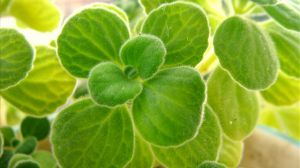
What to Do About Root Rot in Cuban Oregano? Causes and Solutions
To solve the problem of root rot in Cuban oregano, first take it out of the potting soil and clean it off, cut away the rotted roots and disinfect them, then replant it. If the root rot is severe, cut off its stems, leave a few leaves on them and let them dry, insert them into suitable soil, and place them in a cool, ventilated spot. After a few days it will grow new roots again.
-

-

How to deal with rotten roots in lilies? Practical solutions shared
To solve the problem of rotten lily roots, first take it out and clean the roots thoroughly, use sterilized scissors to cut off the rotten roots, then disinfect the roots, and after disinfection rinse them clean with water and let them dry. Then choose hydroponics or soil culture according to your needs.
-

How to save a crabapple with root rot? A detailed guide to practical solutions
There are many causes of root rot in crabapple: if it is caused by soil that is not breathable, then you need to replace it with suitable soil and loosen the soil properly. If it is caused by too much fertilizer, then you need to water heavily to wash away the excess fertilizer. If it is caused by water accumulating in the pot soil, then tilt the pot to let the standing water drain out. If there is no way to save it, then you will need to replant it.
条件筛选