-

What to Do When a Kalanchoe's Roots Turn Black? Causes and Solutions
While growing kalanchoe, we may notice that it is not growing well, and when we take it out we may find that its roots have all turned black. Don't panic at this point; we need to remove all the blackened roots, then disinfect them, and finally replant it in soil or water.
-
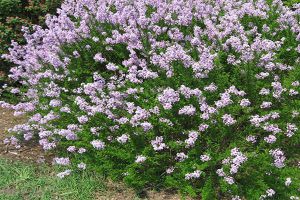
What to Do If Lilac Roots Rot? Cause Analysis and Solutions
Root rot is something most plants will experience, and the causes are quite similar; generally, there are causes such as overwatering, overfertilizing, and improper fertilizing. If it is due to overwatering, move it to a cooler and well-ventilated place. If it is due to overfertilizing, you can rinse it under water, and if it is too severe, consider repotting it. The treatment for improper fertilizing is similar to that for overfertilizing.
-

How to deal with root rot in calla lilies? Practical solutions shared
Root rot caused by root rot disease: in the early stage the leaves change color, then slowly rot, and the top of the flower also changes color and spreads to the petiole and stem; this is caused by mold in the soil. The diseased spots on its roots should be removed, then the plant should be soaked in hot water or acetic acid and replanted.
-
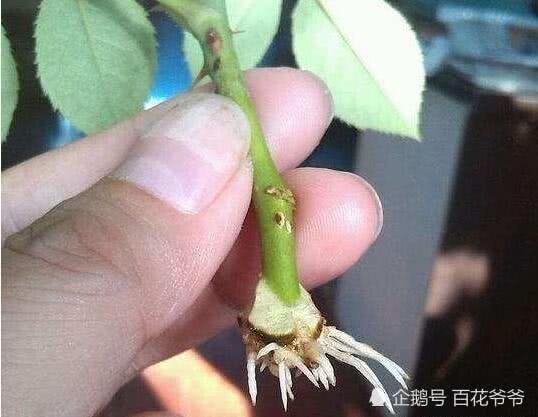
3 useful homemade rooting solutions: dip the cuttings and get a high survival rate
In spring and summer, you just can't resist the urge to get your hands dirty. For example, after the first wave of spring flowers on your roses at home finishes, you feel an irresistible urge to pull off the post-bloom branches and root them as cuttings, but not every cutting is guaranteed to succeed...
-
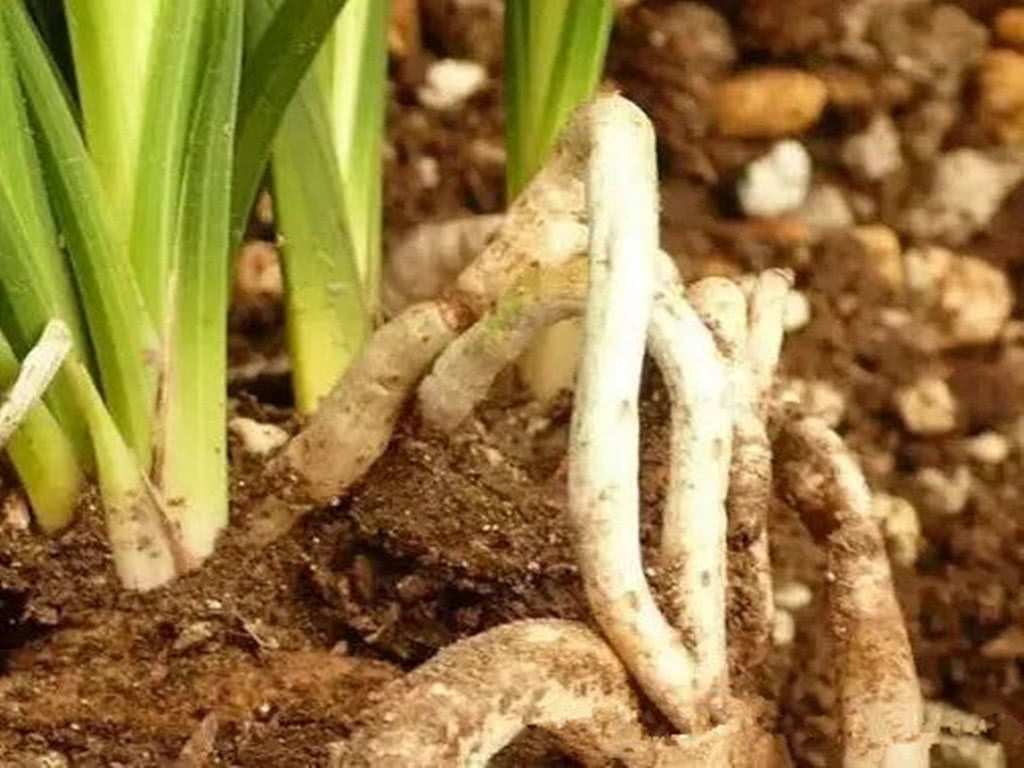
How to prevent hollow orchid roots? Two orchid grower solutions worth learning from
When growing orchids, hollow roots can occur, and an orchid grower devised two solutions to prevent them, which are worth learning from. When caring for orchids, the biggest worry is orchid illness. Sometimes it leaves us at a loss, not knowing where to start with treatment? Take the case of hollow orchid roots...
-

How to save a crabapple with root rot? A detailed guide to practical solutions
There are many causes of root rot in crabapple: if it is caused by soil that is not breathable, then you need to replace it with suitable soil and loosen the soil properly. If it is caused by too much fertilizer, then you need to water heavily to wash away the excess fertilizer. If it is caused by water accumulating in the pot soil, then tilt the pot to let the standing water drain out. If there is no way to save it, then you will need to replant it.
-

How to deal with rotten roots in lilies? Practical solutions shared
To solve the problem of rotten lily roots, first take it out and clean the roots thoroughly, use sterilized scissors to cut off the rotten roots, then disinfect the roots, and after disinfection rinse them clean with water and let them dry. Then choose hydroponics or soil culture according to your needs.
-

What to Do About Root Rot in Cuban Oregano? Causes and Solutions
To solve the problem of root rot in Cuban oregano, first take it out of the potting soil and clean it off, cut away the rotted roots and disinfect them, then replant it. If the root rot is severe, cut off its stems, leave a few leaves on them and let them dry, insert them into suitable soil, and place them in a cool, ventilated spot. After a few days it will grow new roots again.
-

What to Do About Root Rot in Petunias? Cause Analysis and Solutions
To solve the problem of root rot in petunias, first take it out of the potting soil, wash it clean, cut off the rotted parts, disinfect them, let it dry, and plant it in fresh potting soil. Usually, control the amount of watering well; do not overwater, and wait until the soil dries out before watering. In addition, during the rainy season, provide it with timely rain cover; if you cannot cover it in time, drain the rainwater away promptly.
-

What causes root rot in roses? Causes and solutions
There are many causes of root rot in roses: if it is caused by poorly aerated potting soil, then replace it with well-aerated soil. If it is caused by overwatering, then control the amount of water given, and water only after the soil has dried out completely. If it is caused by too much fertilizer, then reduce the amount of fertilizer and control how often you fertilize. If it is caused by pests and diseases, then remove them promptly.
条件筛选