-
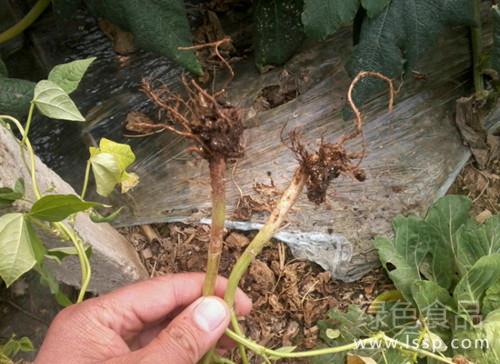
How to prevent and control red root in kidney beans? Solutions for roots that turn red, shrivel, and produce no new roots
Prevention and control methods for red root in kidney beans, where roots turn red or shrivel and produce no new roots
-

What to Do About Root Rot in Snake Plants? Cause Analysis and Solutions
When it comes to why snake plants get root rot, the cause is mostly water. The reason for saying this is that many plant lovers overlook one characteristic of the snake plant: its root system is underdeveloped. Let's analyze the specific causes and rescue methods below.
-
What to Do About Root Rot in the Money Tree? Causes and Solutions
The money tree (Zamioculcas zamiifolia) placed in a fairly spacious living room, study, or family room has an elegant, simple style with a tropical feel. It is a world-famous new-generation indoor foliage plant with a beautiful, neat plant shape, but root rot can occur during cultivation. Below, let us take a look at what to do about root rot in the money tree.
-
What to Do About Root Rot in Clivia? Cause Analysis and Solutions
Clivia root rot can occur in all four seasons, but it is most common in summer, mainly due to the specific environment of high temperature and high humidity and the grower's lack of care knowledge. The main causes of Clivia root rot and control measures are introduced below. Clivia root rot caused by improper flower pot selection: nowadays some people, for the sake of appearance
-
What to Do About Root Rot in the Money Tree? Causes and Solutions Explained
What to Do About Root Rot in the Money Tree? Effective Solutions and Causes
-
What to Do When a Clivia Has Root Rot? Causes and Solutions
What to Do When a Clivia Has Root Rot? Causes and Solutions for Clivia Root Rot
-
What to Do When Alocasia (Dumb Cane) Roots Rot? Causes and Solutions
Overwatering: Alocasia macrorrhizos is a tropical rainforest plant that likes semi-shaded, humid environments. So people often deliberately increase watering frequency, frequently spray the leaves, and raise air humidity, which easily causes waterlogging and makes the roots rot. When watering normally, do not water too frequently; do not water until the soil is dry.
-
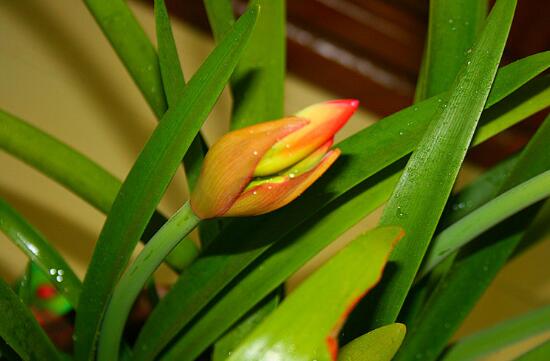
What to Do When the Leaves of the Violet Root Orchid Turn Yellow? 5 Major Causes Including Temperature, Water and Fertilizer, and Their Solutions
Violet Root Orchid - friends who have seen it should be deeply impressed. Its flowers are brightly colored, and its flower shape is very similar to that of a lily. It is a very beautiful ornamental flower. However, while growing the Violet Root Orchid, many flower lovers often encounter some problems, such as yellowing leaves. So what should be done when the leaves of the Violet Root Orchid turn yellow?
-
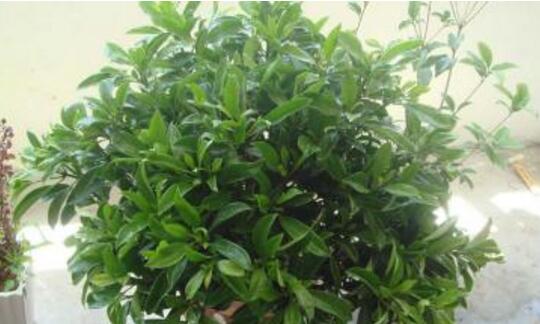
What to Do When African Jasmine Leaves Become Soft and Droopy? Root Damage Is the Main Cause, Four Solutions
Normally, the leaves of African jasmine should be firm and upright, but some flower lovers have found that their African jasmine leaves have become soft and droopy, which not only affects its appearance but also slows its growth. What causes this phenomenon, and what should we do about it? Let's take a look together.
-

What to Do When a Bromeliad (Guzmania) Has Root Rot? 5 Solutions for Improper Watering and Over-Fertilizing
As a flower with an auspicious meaning and beautiful appearance, the bromeliad (Guzmania) is the first choice for many flower lovers. However, during cultivation, due to improper care, bromeliads can develop various problems, such as yellowing leaves and root rot. So what should you do when a bromeliad has root rot?
条件筛选