-

Root pruning for succulents also depends on the variety. These succulents are just too fussy.
The condition of a succulent and the plumpness of its leaves are closely related to the health of its root system, so treating the roots is especially important. After a succulent has grown for a period of time (about 1-2 years), due to bacterial infection, soil compaction, and other...
-
The Correct Method for Repotting and Root Pruning Lithops
Text and images: Hello Succulent Fans. The best time to transplant Lithops seedlings or repot mature plants is in summer, when the old leaves are very wrinkled or completely dried out. If repotted too early in spring or early summer, the old leaves will likely absorb water and be unwilling to...
-
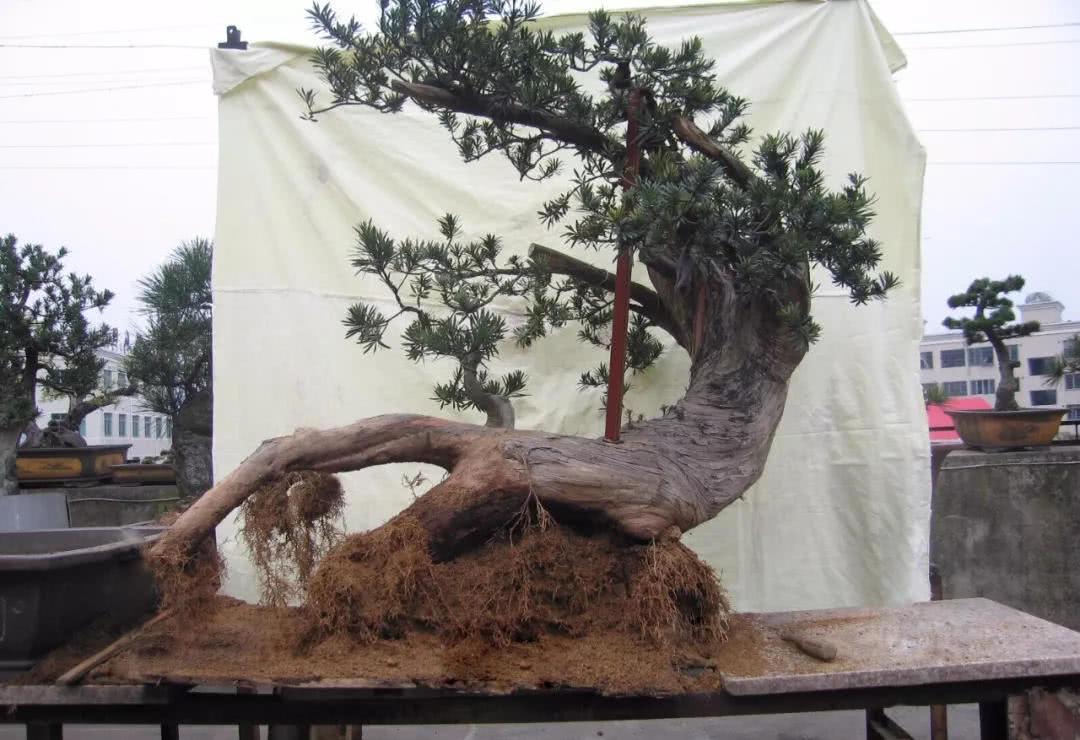
A century-old Buddhist pine (Podocarpus macrophyllus) underwent a transformation over more than ten years after root pruning, and people wanting to buy it are lining up
A century-old Buddhist pine (Podocarpus macrophyllus), after root pruning and more than ten years of transformation, has people lining up to buy it. If you want to grow a fine bonsai, it really cannot be done without more than ten years. Even an old stump with a hundred years of age, if it cannot...
-
Detailed Explanation of Succulent Root Pruning Techniques and Methods
Text and images: Internet. The root system is everything to a plant. The condition of a succulent and the plumpness of its leaves are both related to the health of its root system. Good teeth mean a good appetite, and good roots mean a fat succulent - that's roughly what it means! Succulent plants grow for a period...
-
A Detailed Guide to the Correct Method for Repotting and Root-Pruning Lithops
Text and images: Qingmeng In summer, succulents of the Sedum type are busy with shading and ventilation and are left alone, but there is a type of succulent that is instead fussed over in summer, and that is the equally popular succulent - Lithops. When transplanting Lithops seedlings or repotting mature plants, it is best to do so in summer...
-

Detailed Explanation of Root Pruning Methods and Steps for Bonsai Ficus
The beauty of a bonsai ficus lies in its roots, trunk, branches and leaves. If the shape of the trunk and branches is already quite complete, but the roots appear thin and lacking in strength, with defects in the root section, too few roots, deviated root direction, or uneven root sizes, the overall appearance will be affected. In this case, the root grafting method can be used to compensate and make the roots more perfect.
-

Hollyhock potted planting and care methods: timely root pruning is key
Hollyhock (Alcea rosea) originated in the Sichuan region of China, hence the name "Shukui" (Sichuan mallow). Its flowers are large and brilliant, and it can grow as tall as one zhang, so it is also called "Yizhanghong" (one-zhang red). Its flowering period is from June to August. Today let's take a look at how to grow hollyhock in pots~ Yizhanghong growth...
-
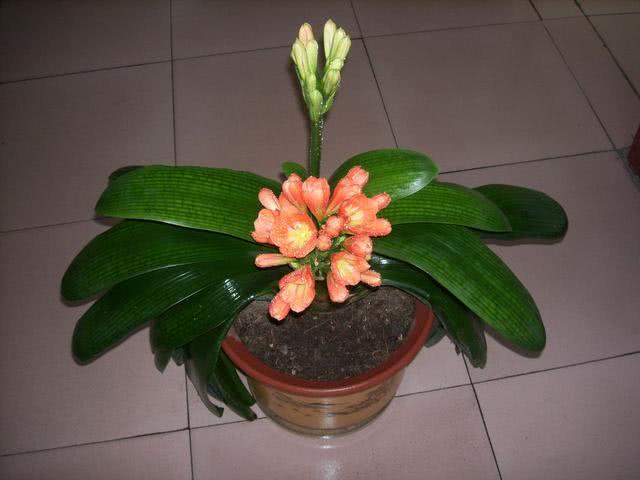
Afraid to repot your Clivia? Root pruning and repotting this way is easy and simple
Clivia (Clivia miniata) is increasingly loved by people, and more and more people grow this plant. It is precisely because it gives the impression of a gentleman that it has won everyone's favor, but if you want to have something beautiful, you have to pay a price, not everything...
-

Repotting without root pruning is as good as not repotting at all, and dreaming of a pot bursting with growth is even more of a fantasy.
These past couple of days, Huahua saw a comment from a flower friend saying that after repotting her plant, it died just a few days later, which left her feeling really down. How do you break the curse of "death by repotting"? Today, Huahua will start with root pruning during repotting, then explain all the repotting knowledge points in detail! Be sure to read to the end!
条件筛选