-

Clivia Root Rot: Prevention, Treatment and Root Pruning Methods
The clivia plant contains a very special kind of alkaloid, and this alkaloid can be made into many kinds of medicines. Researchers studying medicines often use plants that contain these chemical compounds for their research, and products used to treat cancer and other conditions have already appeared on the market.
-
How to prevent litchi fruit cracking? Cultivation and control methods
1. Root pruning and girdling In the late stage of fruit development, the method of root pruning and girdling the main branches is used to weaken root activity, which is very effective in reducing fruit cracking. However, the measures must be timely and appropriate; excessive control of root growth is detrimental to normal fruit development and to the rapid recovery of tree vigor after harvest.
-
The correct methods and key technical points of root-pruning (seedling hardening)
Root-pruning is a traditional crop management technique, a technical measure used in crop cultivation to suppress excessive vegetative growth of seedling stems and leaves and promote root development. So, what are the methods of root-pruning? 1. What are the methods of root-pruning? There are two commonly used methods of root-pruning. one is to control the seed
-
The Latest Methods and Precautions for Root Pruning of Citrus
The citrus root system has a strong ability for self-thinning and renewal. After aging or when the environment is unfavorable, it can die off on its own and be replaced by newly grown roots. Therefore, carrying out root pruning and root promotion treatments in stages can promote root expansion, allow the roots to grow deeper, and also improve yield and quality.
-
A Detailed Guide to the Latest Root-Pruning Method for the Golden Jade Plant
After removing the golden jade plant from its pot, clean up the root system, use sterilized scissors to cut away the rotten roots, leggy roots, diseased roots, old roots, and dead roots one by one, promptly disinfect the wounds with a potassium permanganate solution or a carbendazim-type fungicide solution, and place it in a relatively ventilated
-

Repotting without root pruning is as good as not repotting at all, and dreaming of a pot bursting with growth is even more of a fantasy.
These past couple of days, Huahua saw a comment from a flower friend saying that after repotting her plant, it died just a few days later, which left her feeling really down. How do you break the curse of "death by repotting"? Today, Huahua will start with root pruning during repotting, then explain all the repotting knowledge points in detail! Be sure to read to the end!
-
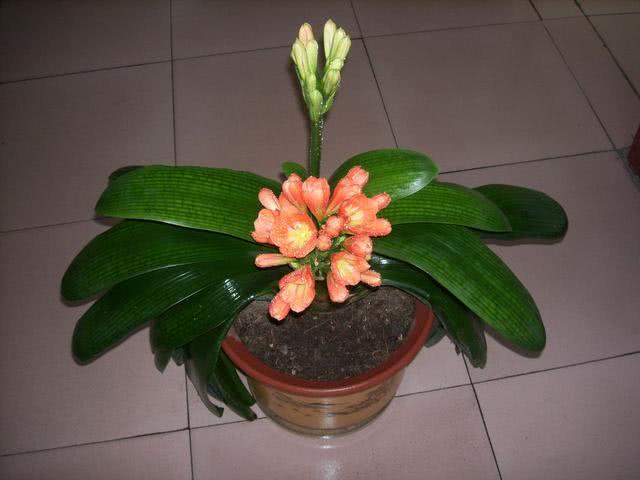
Afraid to repot your Clivia? Root pruning and repotting this way is easy and simple
Clivia (Clivia miniata) is increasingly loved by people, and more and more people grow this plant. It is precisely because it gives the impression of a gentleman that it has won everyone's favor, but if you want to have something beautiful, you have to pay a price, not everything...
-
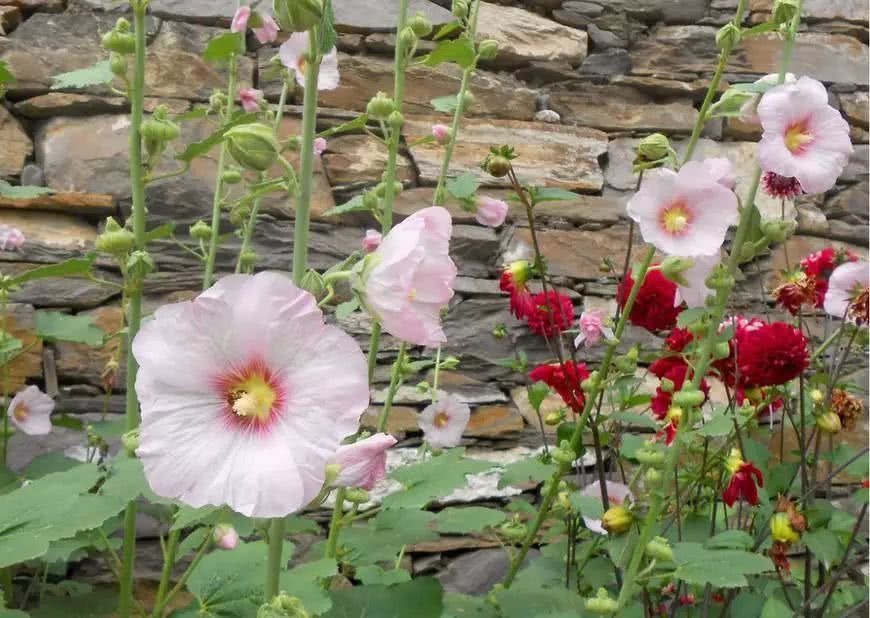
Hollyhock potted planting and care methods: timely root pruning is key
Hollyhock (Alcea rosea) originated in the Sichuan region of China, hence the name "Shukui" (Sichuan mallow). Its flowers are large and brilliant, and it can grow as tall as one zhang, so it is also called "Yizhanghong" (one-zhang red). Its flowering period is from June to August. Today let's take a look at how to grow hollyhock in pots~ Yizhanghong growth...
-
Detailed Explanation of Root Pruning Methods and Steps for Bonsai Ficus
The beauty of a bonsai ficus lies in its roots, trunk, branches and leaves. If the shape of the trunk and branches is already quite complete, but the roots appear thin and lacking in strength, with defects in the root section, too few roots, deviated root direction, or uneven root sizes, the overall appearance will be affected. In this case, the root grafting method can be used to compensate and make the roots more perfect.
-
A Detailed Guide to the Correct Method for Repotting and Root-Pruning Lithops
Text and images: Qingmeng In summer, succulents of the Sedum type are busy with shading and ventilation and are left alone, but there is a type of succulent that is instead fussed over in summer, and that is the equally popular succulent - Lithops. When transplanting Lithops seedlings or repotting mature plants, it is best to do so in summer...
条件筛选