-

How to prevent and treat rickets in masked palm civets? A must-read for farmers
Rickets is a nutritional and metabolic disease of young masked palm civets. It is a disease caused by vitamin D deficiency, insufficient or improperly proportioned calcium and phosphorus, resulting in incomplete calcification, softening and deformation of bone tissue, stunted growth and development of diseased civets, and the appearance of pica. This disease mostly occurs in young civets under 3 months of age
-
What do yellow ligia crickets eat? A detailed explanation of the food and feeding methods for yellow ligia crickets
The yellow ligia cricket gives people the impression of being very full of spirit, because it chirps both day and night, and especially at dusk and early morning it chirps more vigorously and loudly. Its voice is beyond what others can imagine; it chirps almost without stopping, and chirps endlessly without growing hoarse. Many people choose to keep them in order to listen to their calls, so when raising them, what do yellow ligia crickets eat?
-
How Do Crickets Survive the Winter? Learn About the Overwintering Habits of Crickets
Crickets are what we call true crickets. They are a very common insect in the fields, mostly small to medium-sized, with a few large ones, and are relatively common in rural areas. So, how do crickets survive the winter? 1. How do crickets survive the winter? Crickets have very short lifespans, with adults living about 141-1
-
What do mole crickets like to eat? Are they pests? Can they be eaten? How are they farmed?
The mole cricket is an extremely common insect, also called tugouzi, and is generally known as lalagu or dilagu. It has a long body with a very soft, round belly, and often appears at the edges of fields at night. So what do mole crickets like to eat? Can they be eaten? How are they farmed? Mole
-
Can Locusts Be Eaten? Price, Differences from Crickets, and Profit per Square Meter of Farming
Locusts, commonly known as grasshoppers, are a common pest in China's rice-growing, wheat-growing, and corn-growing crop regions. Because of their high nutritional value and tender meat, they are regarded as a green wild game, and many regions now eat them as a snack. So how much
-
A science explainer on how crickets make sound and when and how they chirp
Crickets, which farmers often call guoguo or ququ. They are invertebrate animals of the family Gryllidae in the order Orthoptera of the class Insecta. They are destroyers of crops and pests in the eyes of farmers. So what do crickets use to make their chirping sound? How do they chirp? Crickets are invertebrates,
-
Are the dragonflies, crickets, longhorn beetles, and seven-spot ladybugs commonly seen in rural areas beneficial insects or pests?
In rural areas, you will often see four kinds of insects: dragonflies, crickets, longhorn beetles, and ladybugs, but few people have really thought about one question: are they beneficial insects or pests to humans? In the entire insect ecosystem, there is actually no distinction between beneficial insects and pests. These two words are purely definitions produced from the human perspective. Generally speaking, those beneficial to humans are beneficial insects, and the opposite are pests.
-
What leaves do snails, crickets, and cicadas like to eat?
Snails, crickets, and cicadas are all fairly common small animals in our lives. The snail is the most common mollusk on land, and it has high food and medicinal value; the cricket is an ancient insect with a history of at least 140 million years, and has been an object of fighting games in both ancient and modern times.
-
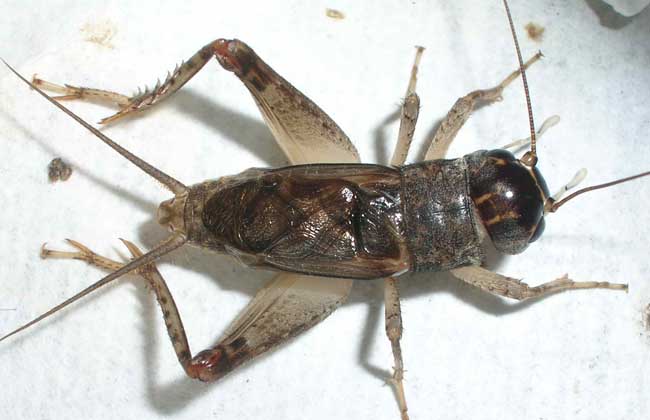
What is the difference between crickets and katydids? A quick guide to telling them apart
The difference between crickets and katydids
-
Prevention and Treatment of Osteomalacia and Rickets in Pigs
Internal Diseases of Pigs - Osteomalacia and Rickets in Pigs
条件筛选