-

Can cottonseed protein replace soybean meal in pig concentrate??
Can cottonseed protein replace soybean meal in pig concentrate??
-
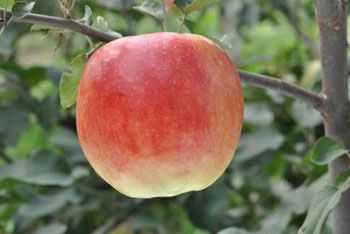
Early-ripening apple variety Huashuo expected to replace Gala
Early-ripening apple "Huashuo" could replace "Gala"
-
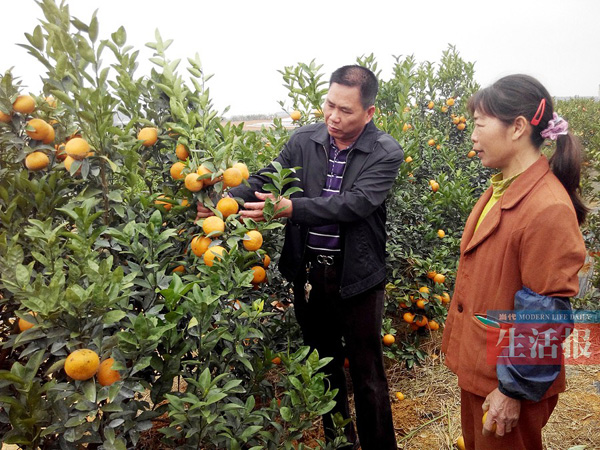
Scientific farming replaces experience-based farming: village Party secretary leads villagers out of poverty toward prosperity
Switching from experience-based to scientific farming: village Party secretary leads villagers out of poverty toward prosperity
-
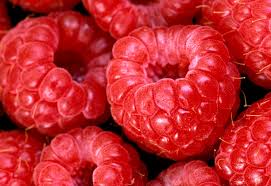
Raspberries replace corn planting, income per mu triples
Instead of planting corn, plant raspberries, income per mu triples
-
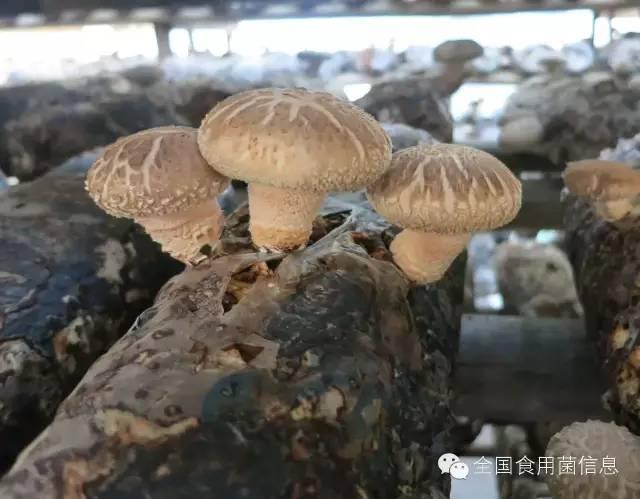
New shiitake variety Qingke 212: short spawn run, high yield - can it replace 808?
Another short-spawn-run, high-yield shiitake variety "Qingke 212" - can it replace "808"?
-
Cottonseed protein: What is soybean meal? Can cottonseed protein replace soybean meal in pig concentrate?
Can cottonseed protein replace soybean meal in pig concentrate??
-
What are the easily overlooked problems in the process of selecting and retaining replacement gilts?
(1) The selection and retention procedure is unreasonable, and the selection process is simplified: In some pig farms, the selection and retention process for replacement gilts is very simple, with no fixed procedure. It is only after the breeding pigs finish testing that a simple evaluation is made and they are selected and retained. This can easily lead to an imbalance in the number of animals retained from each bloodline and a decline in the production performance of breeding pigs. Therefore, the selection and retention of replacement gilts must rely on a fixed procedure. Generally, the selection and retention of replacement gilts must go through three processes: primary selection, intermediate selection and final selection. Primary selection is when moving from the farrowing stage to the rearing stage, determining a candidate group 4 times the number to be retained for breeding; intermediate selection refers to the period from nursery to fattening
-
How to Select Replacement Pigs? Detailed Guide to Selection Methods and Key Points
Replacement pigs refer to the boars and sows that have finished the nursing stage and are initially kept for breeding purposes. Generally speaking, family pig farmers like to select and keep their own breeding boars and sows as replacement pigs. So, what kind of replacement pigs should be selected and kept? Experts advise you: replacement pigs should be breeding pigs that are physically robust, well developed, possess the characteristics of the breed, and have high breeding value. The selection of replacement breeding pigs should start from the following points. Healthy and disease-free: replacement pigs should be pigs with normal growth and development, lively spirits, and free from disease, and should come from families free of any
-
Preliminary Report on the Results of Substrate Replacement Cultivation Trials of Gastrodia elata
Artificial cultivation of Gastrodia elata mainly uses the trunks of broadleaf trees such as oak, birch, hazel, elm, willow, jujube, pagoda tree, and wild cherry, and requires a diameter of more than 5 cm. For a long time, this has caused severe damage to forest resources, which are now on the verge of exhaustion. Therefore, research on substrate replacement cultivation techniques for Gastrodia elata has gradually become a hot topic. There are already precedents for substrate replacement cultivation using corn cobs, shrub stems, corn cobs, corn pith, branches, and straw, but no reports on the cultivation of Gastrodia elata with cottonseed hulls have been seen. For this reason, this trial was conducted, and the preliminary results are reported as follows: 1 Materials and
-
A Detailed Explanation of the Origin and Development History of Black Tea ⟧2⟧Black tea originated in the Ming Dynasty in the 16th century. During the tea manufacturing process, it was discovered that sun-drying could replace the fixing (kill-green) step
Black tea originated in the Ming Dynasty in the 16th century. During tea manufacturing, it was discovered that sun-drying could replace fixation (kill-green), and after rolling the leaves turned red, thus producing black tea. The earliest black tea production began with Souchong black tea in Chong'an, Fujian. In the Qing Dynasty, Liu Jing's "Pian Ke Yu Xian Ji" records: "At the ninth bend of the mountain there is Xingcun town, where tea experts gather. Tea produced elsewhere in the province such as Shaowu and Jiangxi Guangxin, with black leaves and red soup, locally called Jiangxi Wu, is all privately sold to the various firms of Xingcun." After the appearance of Xingcun Souchong black tea, Congou black tea gradually evolved. In the 1920s, India crushed tea leaves during processing to make broken black tea, and in the 1950s our country also began trial production of broken black tea.
条件筛选