-

Reasons Why Replacement Gilts Do Not Come Into Heat and Solutions
What to Do When Replacement Gilts Do Not Come Into Heat?
-

How to Select Replacement Pigs? Detailed Guide to Selection Methods and Key Points
Replacement pigs refer to the boars and sows that have finished the nursing stage and are initially kept for breeding purposes. Generally speaking, family pig farmers like to select and keep their own breeding boars and sows as replacement pigs. So, what kind of replacement pigs should be selected and kept? Experts advise you: replacement pigs should be breeding pigs that are physically robust, well developed, possess the characteristics of the breed, and have high breeding value. The selection of replacement breeding pigs should start from the following points. Healthy and disease-free: replacement pigs should be pigs with normal growth and development, lively spirits, and free from disease, and should come from families free of any
-
What are the easily overlooked problems in the process of selecting and retaining replacement gilts?
(1) The selection and retention procedure is unreasonable, and the selection process is simplified: In some pig farms, the selection and retention process for replacement gilts is very simple, with no fixed procedure. It is only after the breeding pigs finish testing that a simple evaluation is made and they are selected and retained. This can easily lead to an imbalance in the number of animals retained from each bloodline and a decline in the production performance of breeding pigs. Therefore, the selection and retention of replacement gilts must rely on a fixed procedure. Generally, the selection and retention of replacement gilts must go through three processes: primary selection, intermediate selection and final selection. Primary selection is when moving from the farrowing stage to the rearing stage, determining a candidate group 4 times the number to be retained for breeding; intermediate selection refers to the period from nursery to fattening
-
Beekeeping Techniques: How to Replace the Queen Twice a Year
In southern Anhui, spring breeding begins in early to mid-January and ends in mid-to-late October after wintering bees are raised. The breeding period lasts as long as 10 months, and the queen is prone to aging, especially after the high-temperature summer period...
-
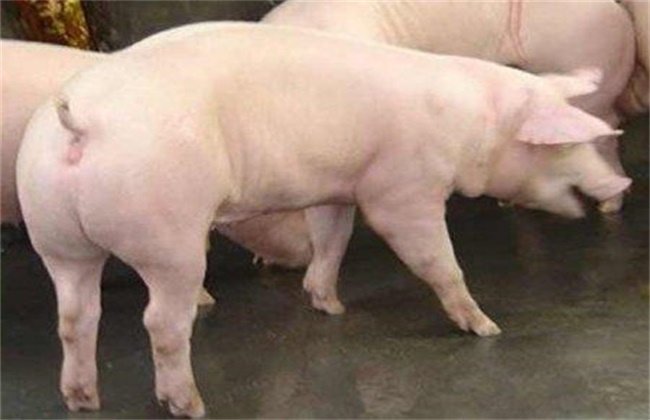
How to Raise Replacement Gilts? Detailed Explanation of Feeding and Management Key Points
Key Points for Feeding and Management of Replacement Gilts
-

First-litter reproductive performance determines the rest of her life: how to raise high-performance replacement gilts
A sow's first-litter reproductive performance determines the rest of her life: how do you raise high-performance replacement gilts?
条件筛选