How to Raise Replacement Gilts? Detailed Explanation of Feeding and Management Key Points
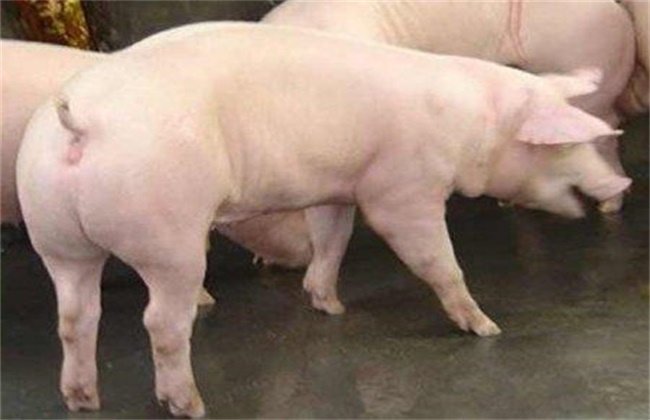
Replacement gilts are sows that have been selected and retained but have not yet been mated. Their main role is to replace older, less productive culled sows, so that the farm's sow herd is mainly composed of young and prime-aged animals. They represent the future of the farm and are particularly important in the farm's production process. So how should replacement gilts be raised? Let's find out together.
1. Environmental Hygiene
One week before replacement gilts enter the barn, the empty barn must be cleaned and disinfected, and the pig herd must also be sprayed and disinfected. The suitable temperature in the pig barn should reach 15-20 degrees, the temperature difference between day and night must not exceed 5 degrees, and the relative humidity should be 75%. During rearing, cleaning must be done twice a day to keep the floor dry; the floor must not be too damp, and the feed troughs must also be cleaned promptly and disinfected regularly. Attention must be paid to ventilation to keep the air fresh and avoid poisoning by toxic gases such as ammonia. Proper lighting must be maintained, no less than 10 hours per day.
2. Pen Separation for Rearing
Replacement gilts should be raised in separate pens according to breed, and gilts in the same pen should have similar body weight and consistent size, to avoid hoarseness and fighting that affect the gilts' normal growth and development. Mixing pens should be carried out in the afternoon between small pigs, and the gilts should be allowed to eat their fill as much as possible. After mixing pens, observe carefully, and stop biting and fighting promptly if it occurs. At the same time, attention must be paid to stocking density; generally one replacement gilt needs more than 2 square meters, and each pen generally holds 3-4 animals.
3. Feeding Management
Replacement gilts are generally fed 3 times, once each in the morning, noon and evening. When adding feed, add frequently and feed little at a time. After each feeding, observe for half an hour whether there is leftover feed in the trough, and ensure the trough is clean at the next feeding. Before the gilt weighs 60 kg, use fattening pig feed; after 60 kg, use replacement gilt feed. To promote replacement gilts to come into estrus as soon as possible, the feeding amount must not be restricted, otherwise their estrus period will be delayed. An appropriate supplementary feeding of green feed is beneficial to the estrus and ovulation of replacement gilts.
4. Appropriate Exercise
Appropriate exercise for replacement gilts is beneficial to their limb and hoof development and estrus, so they should generally exercise 2-3 times a week, about half an hour each time. If conditions permit, they can be driven to an exercise yard.
The above is an introduction to the key points of feeding and management of replacement gilts. We hope it can help you. To learn more related knowledge, please stay tuned to us.